


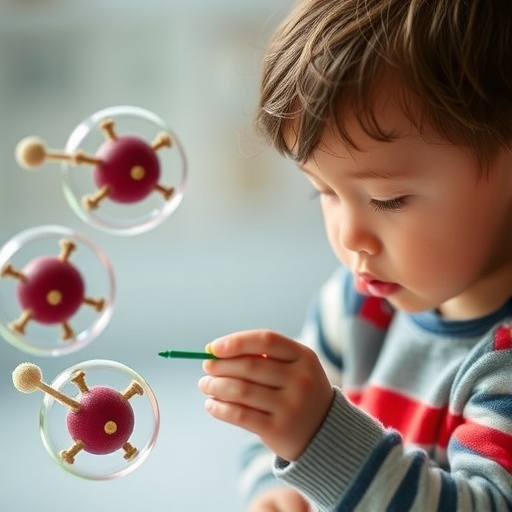
In an era where autism spectrum disorder (ASD) is recognized as a significant public health challenge, new research brings attention to the efficacy of antioxidant-based pharmacological therapies. A systematic review conducted by Ramírez-Guerrero and colleagues sheds light on the potential of these therapies to aid individuals with ASD. Their findings suggest that while the links between oxidative stress and autism are still being explored, antioxidants might offer a glimmer of hope in managing some of the disorder’s symptoms.
The concept of oxidative stress has gained traction in recent scientific inquiries. It refers to an imbalance between the production of free radicals—unstable molecules that can cause cellular damage—and the body’s ability to counteract their harmful effects. This imbalance has been implicated in a range of neurological disorders, prompting researchers to investigate whether antioxidants could serve as a viable intervention for individuals on the autism spectrum.
Antioxidants, substances that inhibit oxidation, are naturally found in many fruits and vegetables. They work by neutralizing free radicals, thereby reducing potential damage to cellular structures. In the context of ASD, oxidative stress may exacerbate behavioral and cognitive challenges, leading scientists to explore whether increasing antioxidant levels could mitigate these effects. The systematic review analyzed various studies that have investigated the role of these treatments, aiming to consolidate existing knowledge surrounding their efficacy.
Importantly, the review highlighted the variability in study methodologies, sample sizes, and measurable outcomes. Some studies reported significant behavioral improvements among participants who received antioxidant therapies, while others noted minimal effects. This inconsistency raises questions about the optimal types and dosages of antioxidants that might be beneficial for individuals with ASD, leaving researchers with the critical task of determining how best to move forward in this area of study.
In a field where individualized treatment plans are paramount, the ability to tailor antioxidant-based therapies could represent a substantial breakthrough. It opens doors to personalized medicine, allowing healthcare providers to match antioxidant interventions to the specific needs of patients. However, the current body of research presents a patchwork of findings that necessitates further investigation.
The review underscores the importance of high-quality clinical trials to assess the true efficacy and safety of antioxidant therapies. While preclinical studies have demonstrated promising results, the translation of these findings into human applications remains a complex challenge. Researchers emphasize the need for rigorous trial designs that account for potential confounding variables, thereby offering a clearer picture of how antioxidants can influence the behavior and cognition of those affected by ASD.
Beyond the biochemical implications of antioxidants lies the real-world impact of effective therapies on individuals and families coping with autism. From enhancing social interactions to managing sensory sensitivities, targeted treatments could significantly improve the quality of life for those on the spectrum. Thus, the stakes are high in understanding how antioxidant therapies could potentially become a valuable addition to the therapeutic toolbox for ASD.
The discussion around antioxidant therapy in autism also touches on broader themes of neurodiversity and the diverse experiences of individuals on the spectrum. Advocates argue that while medical interventions are crucial, there is also a pressing need to ensure that the voices and needs of those with autism remain at the forefront of research agendas. This is particularly vital in ensuring that any new therapies developed are not only effective but also aligned with the values and preferences of the autism community.
The findings from Ramírez-Guerrero et al. provide a comprehensive overview of the current landscape around antioxidant therapies, revealing a promising, albeit initially tentative, pathway to potential benefits. As researchers build on these insights, the hope is that ongoing studies will clarify the role of antioxidants in autism care, ultimately driving forward advancements that will impact countless lives.
The dialogue surrounding autism therapies increasingly necessitates a multidisciplinary approach, integrating insights from biochemistry, psychology, and social sciences. The intersection of these fields could prove invaluable in understanding how antioxidants function on a biological level while also addressing the psychosocial dimensions of ASD. A collaborative framework could enhance not only the comprehension of antioxidant effects but also their practical applications in everyday life.
As this line of inquiry develops, ongoing monitoring of research trends will be essential. The dynamic nature of scientific exploration means that new discoveries emerge rapidly, reshaping our understanding of complex disorders like autism. Staying informed about the latest findings will empower healthcare practitioners, families, and advocates to make informed decisions regarding treatment options.
In summary, the ongoing investigation into antioxidant-based therapies shines a light on the intricate relationships between biochemical factors and behavioral outcomes in autism spectrum disorder. The cumulative evidence suggests that while antioxidants may hold promise, further research and rigorous trials are needed to substantiate their efficacy. As we navigate this evolving field, it is crucial to remain committed to understanding the complexities of ASD and exploring all avenues that could lead to effective interventions.
The pursuit of knowledge in this area is not merely an academic endeavor; it touches upon the lives of individuals and families navigating the challenges of autism. The hope is that with continued research and community involvement, we will unlock the potential of antioxidant therapies to foster a more supportive future for those on the autism spectrum.
Ramírez-Guerrero, S., Puerta-Murcia, A., Martinez-Benavides, N. et al. Efficacy of Antioxidant-Based Pharmacological Therapies in Autism Spectrum Disorder: A Systematic Review.
J Autism Dev Disord (2025). https://doi.org/10.1007/s10803-025-07059-5
Cite Scienmag News
Ophelia Keating. (October 12, 2025). Exploring Antioxidants’ Impact on Autism Treatment. Scienmag. https://scienmag.com/exploring-antioxidants-impact-on-autism-treatment/
Ophelia Keating. "Exploring Antioxidants’ Impact on Autism Treatment." Scienmag, 12 October 2025, https://scienmag.com/exploring-antioxidants-impact-on-autism-treatment/. Accessed 3 September 2026.
Ophelia Keating. "Exploring Antioxidants’ Impact on Autism Treatment." Scienmag. October 12, 2025. https://scienmag.com/exploring-antioxidants-impact-on-autism-treatment/


