


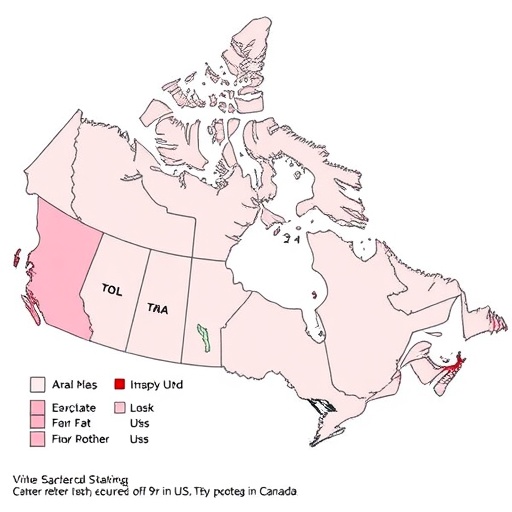
Measles, once thought to be largely under control in Canada, has made an alarming resurgence, posing profound risks particularly to pregnant individuals. Recent outbreaks have illuminated a glaring gap in public health discourse: the urgent need to protect this vulnerable population and their unborn children. Despite the well-understood dangers of measles, healthcare providers and policymakers alike have yet to prioritize tailored strategies to safeguard those who are pregnant or planning pregnancy.
The viral pathogen responsible for measles, known scientifically as Measles morbillivirus, is among the most contagious infectious agents known to humans. Transmission occurs primarily through respiratory droplets and airborne spread, which allows the virus to persist and infect susceptible individuals rapidly. For pregnant people, this elevated contagion translates to higher health risks not only to themselves but to the developing fetus. The virus’s impact during gestation can be devastating, underscoring the urgency for stringent preventive and clinical care protocols.
Clinicians on the front lines of Ontario’s recent outbreaks highlight critical clinical features of measles infection in pregnancy. These include an increased susceptibility to secondary infections such as pneumonia and hepatitis, both of which are notorious for elevating morbidity and mortality rates in this demographic. Pneumonia, a severe respiratory complication, can swiftly lead to respiratory failure, whereas hepatitis could result in liver dysfunction, complicating the course of pregnancy. Alarmingly, measles infection is also associated with heightened risks of spontaneous miscarriage and preterm delivery, outcomes that carry lifelong implications for families.
From a pathophysiological perspective, the measles virus exerts its effects by targeting immune cells, including macrophages and dendritic cells, crippling the host immune response. This immunosuppression renders pregnant individuals less able to combat concomitant infections and may facilitate vertical transmission or placental insufficiency, leading to fetal growth restrictions or developmental anomalies. The delicate immunological balance during pregnancy is upset by the viral onslaught, which may explain the severity and complexity of maternal-fetal complications observed.
Rapid intervention following exposure is paramount. Intravenous immunoglobulin (IVIG) administration within six days post-exposure is an evidence-based prophylactic measure that can reduce the likelihood of infection or mitigate disease severity. IVIG contains pooled antibodies that confer passive immunity, providing a crucial temporal defense for at-risk patients. However, access to IVIG is traditionally hospital-centered, which poses logistical challenges in outbreak settings, where timely administration can be the difference between severe illness and relative safety.
Current infection control practices for measles in pregnant patients necessitate strict adherence to containment protocols due to the virus’s extraordinary transmissibility. This includes isolation measures, use of personal protective equipment by healthcare workers, and meticulous environmental decontamination. Hospitals must urgently reassess and update their measles management protocols, ensuring that pregnant persons are afforded expedited access to care pathways tailored to their unique clinical risk profiles.
Beyond acute treatment, prevention remains the cornerstone of combating measles-related pregnancy complications. Vaccination strategies must be strengthened with an emphasis on individuals of reproductive age, ensuring that immunity is established well before conception. The measles-mumps-rubella (MMR) vaccine remains the gold standard preventive tool. Robust vaccination coverage disrupts transmission chains and protects both pregnant individuals and neonates, who are not eligible for vaccination immediately after birth.
The implications of maternal measles infection extend beyond the pregnancy itself. Some infants born to measles-infected mothers may experience complications either immediately postpartum or develop sequelae years later. These long-term effects can include neurological impairments and increased vulnerability to other infectious diseases, complicating pediatric care and highlighting the far-reaching consequences of maternal infection on child health.
Despite these known dangers, the discourse around protecting pregnant individuals amid Canada’s measles resurgence remains surprisingly muted. Dr. Michelle Barton, a pediatric infectious disease expert, emphasizes that the lack of focus on this population underscores a broader challenge within public health frameworks: the insufficient integration of reproductive health considerations into infectious disease control policies. This oversight exacerbates disparities and leaves pregnant people disproportionately exposed to preventable harm.
Dr. Catherine Varner, an emergency medicine physician and deputy editor of CMAJ, voices a compelling critique in a recent editorial. She points out the paradox of facing significant measles outbreaks coinciding with Canada’s lowest recorded fertility rates. This demographic reality should have galvanized public health efforts to shield pregnant persons, yet such conversations and corresponding interventions remain inadequate. Dr. Varner advocates for specialized care pathways, including urgent IVIG access and protocol updates in hospitals, to proactively address the unique vulnerabilities of pregnant patients.
The broader lessons from these measles outbreaks extend beyond measles alone. Pregnant people often experience amplified risks during infectious disease epidemics due to altered immune function and physiological adaptations. Consequently, they require distinct consideration within public health emergencies. Failure to do so not only endangers maternal and fetal health but signals systemic gaps in health system responsiveness and equity.
As measles reemerges with renewed intensity in Canada, the time to recalibrate public health priorities is now. Protecting pregnant individuals demands a concerted effort—from ensuring comprehensive vaccination coverage to optimizing clinical interventions and hospital protocols. These strategies are essential to mitigating the short- and long-term consequences of measles for some of society’s most vulnerable members and their children. Increasing awareness among clinicians and the public alike will be indispensable to curtailing the profound burdens measles imposes during pregnancy.
News Publication Date:
9-Jun-2025
Web References:
https://www.cmaj.ca/lookup/doi/10.1503/cmaj.250820
https://www.cmaj.ca/lookup/doi/10.1503/cmaj.250606
References:
Included within linked CMAJ articles authored by Dr. Michelle Science, Dr. Michelle Barton, and Dr. Catherine Varner.
Cite Scienmag News
Harold Sullivan. (June 9, 2025). Expectant Mothers Face Elevated Risks Amid Canada’s Measles Outbreaks. Scienmag. https://scienmag.com/expectant-mothers-face-elevated-risks-amid-canadas-measles-outbreaks/
Harold Sullivan. "Expectant Mothers Face Elevated Risks Amid Canada’s Measles Outbreaks." Scienmag, 9 June 2025, https://scienmag.com/expectant-mothers-face-elevated-risks-amid-canadas-measles-outbreaks/. Accessed 3 September 2026.
Harold Sullivan. "Expectant Mothers Face Elevated Risks Amid Canada’s Measles Outbreaks." Scienmag. June 9, 2025. https://scienmag.com/expectant-mothers-face-elevated-risks-amid-canadas-measles-outbreaks/


