


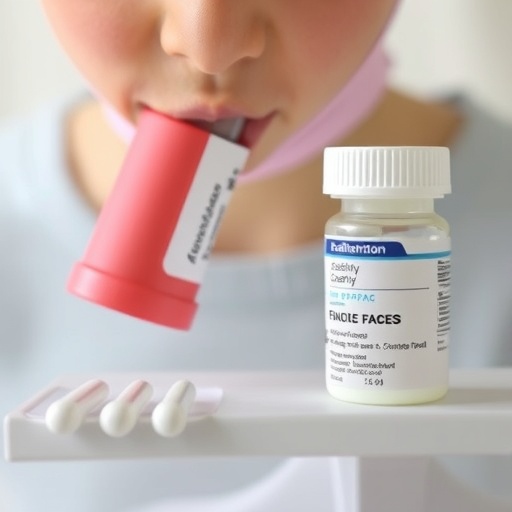
A recent study has drawn attention in the realm of asthma treatment strategies, particularly highlighting the comparative effectiveness of two prominent combinations used in general practice. The research, which comes from a credible source within the medical community, seeks to clarify the outcomes of patients initiating treatment with Fluticasone Furoate/Vilanterol versus those choosing Beclometasone Dipropionate/Formoterol Fumarate. As ongoing discussions regarding asthma management strategies continue, this study plays a pivotal role in shaping treatment decisions and improving patient outcomes in real-world settings.
Asthma is a prevalent chronic respiratory condition that affects millions worldwide, characterized by airway inflammation and hyper-responsiveness leading to recurrent respiratory symptoms. The management of asthma has evolved dramatically over the years, with numerous inhaled corticosteroid and long-acting beta-agonist combinations being introduced to enhance symptom control and reduce exacerbations. Among these combinations, Fluticasone Furoate/Vilanterol and Beclometasone Dipropionate/Formoterol Fumarate stand out as leading treatment options, often chosen based on clinical guidelines and patient preferences.
The study in question not only examines the clinical effects of these two medication combinations but also considers the nuances of patient experiences in routine clinical practice. The research employs a robust methodology, analyzing data collected from multiple centers across England to provide comprehensive insights into the effectiveness and safety profiles of these treatments. The focus on real-world evidence is critical, as it reflects the effectiveness of treatments outside the clinical trial setting, where patient demographics and adherence patterns can vary significantly.
Comparative effectiveness research in asthma management is notably essential given the diverse manifestations of the disease and individual patient responses to medication. While clinical trials often provide valuable information regarding efficacy and safety, they may not fully encapsulate how treatments perform in the hands of general practitioners. Thus, this study fills a critical gap, contributing to a nuanced understanding of treatment efficacy in a non-research-oriented environment.
One of the key findings from the study is the performance of Fluticasone Furoate/Vilanterol when compared to Beclometasone Dipropionate/Formoterol Fumarate. The analysis observed that patients utilizing Fluticasone Furoate/Vilanterol reported more favorable outcomes in terms of symptom control and reduced exacerbation rates. Additionally, the study emphasizes the importance of personalized medicine, tailoring asthma treatment to individual patient needs and circumstances to optimize outcomes.
The methodologies employed in the research are particularly commendable. Researchers utilized a combination of retrospective and longitudinal study designs, allowing them to track treatment effects over time while controlling for confounding variables that may influence patient outcomes. This robust approach bolsters the credibility of the findings, making it a significant contribution to the body of knowledge around asthma treatment.
Another noteworthy aspect of the study is its exploration of adherence to prescribed treatment regimens. Medication adherence remains a major challenge in managing asthma effectively, and understanding how different medication combinations impact a patient’s ability to comply with their treatment plan is crucial. The research highlights that patients on Fluticasone Furoate/Vilanterol may exhibit higher levels of adherence, potentially contributing to better overall health outcomes.
Furthermore, the study encourages dialogue about patient education and the role healthcare providers play in fostering good practices regarding asthma management. Engaging patients through appropriate education on the use of inhalers, understanding treatment goals, and recognizing asthma exacerbation symptoms can significantly empower individuals to take charge of their health and seek timely medical advice when necessary.
The implications of this study extend beyond individual patient care, ushering in the potential for systemic changes within healthcare practices. As asthma prevalence rates continue to rise, driven by various environmental and genetic factors, the demand for effective management strategies grows ever more essential. Compiling data from real-world studies provides healthcare providers with indispensable insights, leading to more informed decisions on medication prescriptions and adjustments.
Additionally, policymakers can utilize the findings from this audience-centric research to inform health policies aimed at asthma management. By promoting the dissemination of effective treatment strategies and encouraging further research into the cost-effectiveness of these combinations, an improved overall healthcare framework for asthma can be established. The goal is to not only treat the condition effectively but also to achieve sustainable outcomes for healthcare providers and patients alike.
In summary, this comparative effectiveness study brings forth crucial information regarding asthma treatment in general practice settings. The study demonstrates the value of adhering to evidence-based medicine while considering the diverse needs of patients. As conversations surrounding asthma management continue to evolve, such insights will play a significant role in shaping future approaches to asthma care, ultimately improving patient quality of life and health outcomes.
The study published within the pages of Adv Ther serves as a timely reminder of the need to constantly evaluate and refine treatment protocols according to emerging evidence. Its findings lay the groundwork for future research endeavors while encouraging practitioners and policymakers to prioritize real-world evidence in their decision-making processes to enhance asthma management.
While the study’s immediate findings are pertinent, the long-term implications could pave the way for reshaping asthma treatment guidelines and influencing how healthcare providers approach therapy options in day-to-day practice.
The discourse surrounding asthma treatment is by no means static, and studies like this one are invaluable for continuous improvement in patient care. Engaging with such evidence not only fosters informed discussions among healthcare professionals but ultimately leads to better outcomes for patients coping with asthma.
In closing, this study stands as a pertinent contribution to the ongoing conversation about how best to manage asthma effectively in clinical practice, offering valuable insights that reinforce the necessity of patient-centered strategies in the evolving landscape of asthma care.
Woodcock, A., Blakey, J., Bourdin, A. et al. Correction to: Real-World Comparative Effectiveness Study in Patients with Asthma Initiating Fluticasone Furoate/Vilanterol or Beclometasone Dipropionate/ Formoterol Fumarate in General Practice in England. Adv Ther (2025). https://doi.org/10.1007/s12325-025-03407-0
Cite Scienmag News
Ophelia Keating. (November 2, 2025). Evaluating Asthma Treatments: Fluticasone vs. Beclometasone. Scienmag. https://scienmag.com/evaluating-asthma-treatments-fluticasone-vs-beclometasone/
Ophelia Keating. "Evaluating Asthma Treatments: Fluticasone vs. Beclometasone." Scienmag, 2 November 2025, https://scienmag.com/evaluating-asthma-treatments-fluticasone-vs-beclometasone/. Accessed 4 September 2026.
Ophelia Keating. "Evaluating Asthma Treatments: Fluticasone vs. Beclometasone." Scienmag. November 2, 2025. https://scienmag.com/evaluating-asthma-treatments-fluticasone-vs-beclometasone/


