


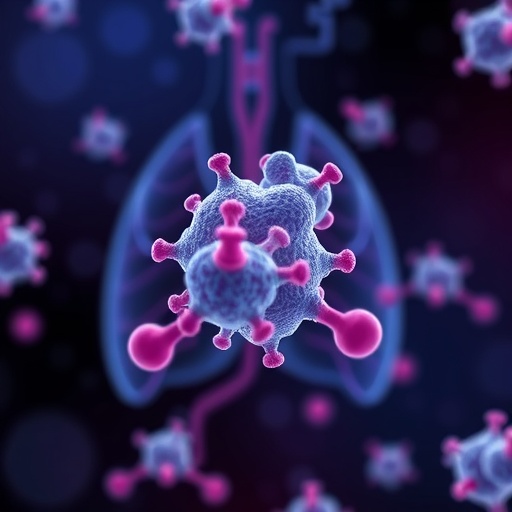
In a groundbreaking study published in the Journal of Biomedical Science, researchers from various institutions have unveiled the remarkable potential of glycinated nanoparticles conjugated with anti-fibrotic peptides. This innovative technology not only enhances the recruitment and uptake of these nanoparticles by immune cells but also promises prolonged therapeutic effects when administered orally. This research demonstrates a significant advancement in drug delivery systems aimed at treating fibrotic diseases, which are characterized by excessive connective tissue formation that severely compromises organ function.
Fibrosis poses a critical challenge in modern medicine, leading to complications in multiple organs, including the liver, lungs, and heart. Current treatment modalities often fall short due to the poor bioavailability of therapeutic agents. The innovative glycinated nanoparticles present a solution to this dilemma by significantly increasing the efficacy of anti-fibrotic peptides. By attaching these peptides to nanoparticles, the researchers have developed a method that enhances the targeting and therapeutic delivery of the drugs to the affected tissues.
The glycinated nanoparticles operate via a mechanism that facilitates easier absorption through the gastrointestinal tract, providing a much-needed alternative to invasive delivery methods. Traditional intravenous administration can introduce complications and often results in fluctuations in drug levels within the bloodstream. The oral application of these glycinated nanoparticles mitigates these issues, allowing for more stable and sustained release profiles of anti-fibrotic peptides when administered.
Furthermore, the study meticulously outlines how these nanoparticles leverage the body’s own immune mechanisms to ensure effective delivery. The research team conducted various in vitro and in vivo experiments demonstrating how immune cells can selectively capture and utilize these glycinated nanoparticles. This finding underscores the nanoparticles’ ability to navigate the complex biological environments within the body, enhancing their therapeutic potential against fibrotic diseases.
The implications of this research extend beyond mere technical advancements; they pave the way for paradigm shifts in treating fibrotic conditions. The robustness of the glycinated nanoparticles against harsh gastrointestinal conditions enhances their practicality as an oral treatment option. This advancement stands in stark contrast to many existing therapies, which require refrigeration or have limited shelf-lives due to instability—making it a promising avenue in drug design.
In addition to improving oral drug delivery, the study emphasizes the nanoparticles’ dual roles—not only as a delivery mechanism for anti-fibrotic peptides but also as therapeutic agents in their own right. When combined with targeted immune modulation strategies, the glycinated nanoparticles can aid in restoring normal tissue architecture and function. Therefore, the long-term impact of this research could lead to improved patient outcomes for those suffering from chronic fibrotic diseases.
Moreover, the exploration of glycinated nanoparticles could have broader implications for drug delivery systems targeting various other diseases. The technology is not limited to fibrotic diseases but holds potential across a spectrum of conditions that involve immune dysregulation and aberrant tissue repair. Researchers have begun brainstorming how these nanoparticles can be modified to deliver a variety of therapeutic agents, potentially transforming the landscape of personalized medicine.
As the study progresses toward clinical applications, the researchers are keenly aware of the challenges that lie ahead, including regulatory approvals and extensive clinical trials. However, the enthusiasm surrounding their findings indicates a robust commitment to pushing the boundaries of existing medical frontiers. Stakeholders from various sectors, including pharmaceuticals, biotechnology, and academia, are now expressing significant interest in collaborating on further research and development of this technology.
In conclusion, leveraging the power of glycinated nanoparticles for the targeted delivery of anti-fibrotic peptides opens new horizons in the treatment of fibrosis. The potential for oral administration makes this method particularly appealing, as it addresses several limitations of current therapies. With ongoing research and collaboration, this advancement may very well revolutionize the management of fibrotic diseases and offer hope to millions affected by such conditions.
The future could see patients benefiting from smart therapies that are not only more effective in combatting fibrotic diseases but also more convenient and safer to administer. The world of drug delivery is on the brink of transformation, and glycinated nanoparticles are poised to lead the way. Continued exploration and experimentation in this field remain crucial as scientists aim to turn this promising concept into reality.
This research paves the way for a new chapter in therapeutics, suggesting that enhanced drug delivery systems like glycinated nanoparticles will play an integral role in medicine in the years to come. As technologies evolve, so too will the prospects for treating fibrotic diseases, holding the promise to improve lives and overcome the limitations of conventional treatments.
In light of these developments, we anticipate further studies will elucidate the underlying mechanisms at play and define the operational parameters for safe and effective use of glycinated nanoparticles in clinical settings. As our understanding deepens, we can expect that Targeted Nanomedicine will not only treat, but potentially reverse, some of the chronic ailments that have long defied therapeutic intervention.
This research exemplifies the convergence of nanotechnology and biomedicine, highlighting the ever-growing intersection of molecular science and therapeutic innovation, with the potential to alleviate human suffering on a broad scale.
Overall, the study’s results underscore the importance of interdisciplinary collaboration in driving medical breakthroughs that can have life-changing implications for patients worldwide. As we reflect on these findings, we look forward to witnessing the impact that glycinated nanoparticles will have in reshaping the approach to treating fibrotic diseases and beyond.
Cite Scienmag News
Ophelia Keating. (December 12, 2025). Enhanced Oral Delivery of Anti-Fibrotic Peptide Nanoparticles. Scienmag. https://scienmag.com/enhanced-oral-delivery-of-anti-fibrotic-peptide-nanoparticles/
Ophelia Keating. "Enhanced Oral Delivery of Anti-Fibrotic Peptide Nanoparticles." Scienmag, 12 December 2025, https://scienmag.com/enhanced-oral-delivery-of-anti-fibrotic-peptide-nanoparticles/. Accessed 3 September 2026.
Ophelia Keating. "Enhanced Oral Delivery of Anti-Fibrotic Peptide Nanoparticles." Scienmag. December 12, 2025. https://scienmag.com/enhanced-oral-delivery-of-anti-fibrotic-peptide-nanoparticles/


