


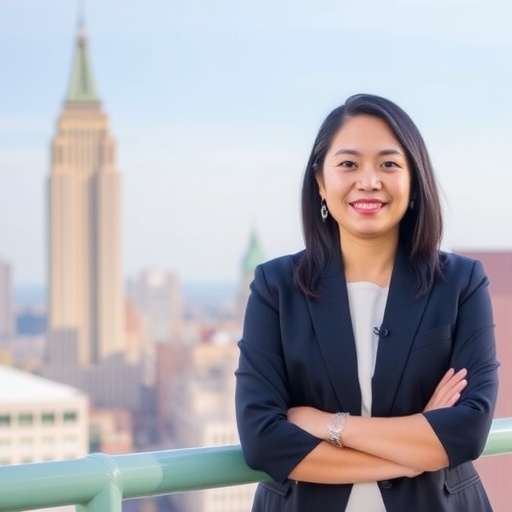
BOSTON, Massachusetts—August 14, 2026—Aging science is moving rapidly from the laboratory into pharmaceutical development, and one of the field’s most prominent international gatherings is preparing to showcase that transition. Insilico Medicine and the organizing committee of the Aging Research & Drug Discovery Meeting have announced that Jacqueline C.K. Lam, Ph.D., chief operating officer and co-founder of ElohaX Ltd., will be a featured speaker at the 13th ARDD Meeting, scheduled for October 1–3 at the David Rubenstein Treehouse at Harvard University. The event is expected to bring together researchers studying the molecular mechanisms of aging, clinicians testing emerging interventions, pharmaceutical executives, biotechnology founders, investors, and policymakers. Its central focus will be the conversion of discoveries in aging biology into therapies capable of extending the period of life spent in good health.
The meeting arrives as longevity research enters a more commercially mature phase. For decades, scientists investigated aging primarily as a complex biological process involving accumulated cellular damage, altered metabolism, genomic instability, impaired tissue repair, chronic inflammation, and declining resilience to physiological stress. Today, many of these mechanisms are being treated as potentially modifiable drivers of disease rather than as unavoidable consequences of getting older. Researchers are examining whether interventions directed at senescent cells, nutrient-sensing pathways, mitochondrial dysfunction, immune aging, epigenetic change, and loss of regenerative capacity can delay or prevent several age-associated conditions simultaneously. That possibility has attracted substantial investment and has helped create a growing pipeline of pharmaceutical and biotechnology programs aimed at improving healthspan—the years lived without major disability—rather than merely extending lifespan.
ARDD 2026 is being positioned as a forum for evaluating how those scientific ideas can survive the demanding path from discovery to medicine. A laboratory finding must be reproduced, its mechanism clarified, and its safety profile established before it can become a viable therapeutic strategy. Drug developers also need reliable biomarkers that show whether a treatment is affecting the biology of aging in humans. Such biomarkers may include molecular signatures, inflammatory measures, metabolic indicators, functional assessments, or composite estimates of biological age, although each must be validated against meaningful clinical outcomes. The challenge is particularly significant because aging is not a single disease with one diagnostic test. It is a multidimensional process that influences the risk and progression of cancer, cardiovascular disease, neurodegeneration, diabetes, frailty, and immune dysfunction. ARDD’s program is designed to connect the scientists studying these mechanisms with the experts responsible for turning them into testable interventions.
Vadim Gladyshev, executive chair of ARDD and professor of medicine at Harvard University, said the biology of aging has become one of biomedical science’s most promising frontiers. He emphasized that progress will require researchers to pair a deeper understanding of aging mechanisms with interventions that improve healthspan, while building collaborations across academic, clinical, and commercial boundaries. That approach reflects a growing consensus in the field: no single pathway is likely to explain the full complexity of human aging. Instead, successful therapies may need to target interconnected processes, or be tailored to distinct biological states and disease risks. Translational research—the movement of knowledge from experimental systems into human studies—will therefore depend on rigorous measurement, carefully designed clinical trials, and cooperation among institutions with different expertise.
The scientific and industrial scale of the 2026 meeting reflects the increasing visibility of longevity biotechnology. Leaders from ten of the world’s largest pharmaceutical companies are expected to participate alongside academic researchers and biotechnology innovators. The conference is anchored by Tier 1 sponsors Insilico Medicine and Eli Lilly, while the McKinsey Health Institute will serve as the sole knowledge partner. Additional participants and sponsors include AbbVie, AniVC, AstraZeneca, BioAge Labs, Biocytogen, Cambrian Bio, Cyclarity Therapeutics, Dior, GlycanAge, Gordian Biotechnology, Human Longevity, the Institute for Healthier Living Abu Dhabi, LongeVC, Maxwell Biosciences, Nestlé, Tally Health, and TruDiagnostic. Synaro Capital, The Cat Health Company, and PranaGen Bioscience are supporting the event as Tier 4 sponsors, with Estée Lauder, Morgan Stanley, the Intrinsic Capacity Frailty & Sarcopenia Research Conference for Healthy Longevity, and QuadraScope listed among the Tier 5 sponsors.
The participation of companies across pharmaceuticals, biotechnology, diagnostics, nutrition, finance, and consumer health illustrates how broadly the aging field is expanding. Pharmaceutical developers are investigating compounds that could influence disease-associated pathways, while biotechnology companies are pursuing new approaches to identify vulnerable cell populations, rejuvenate damaged tissues, or quantify biological decline. Diagnostic firms are developing tests intended to estimate biological age or assess functional capacity, although such measures must still demonstrate that they can predict outcomes and guide treatment decisions. Investors, meanwhile, are evaluating whether longevity-focused programs can generate robust clinical evidence and sustainable commercial models. The intersection of these sectors creates opportunities for faster collaboration, but it also raises the importance of separating compelling biological hypotheses from interventions supported by human data.
Morten Scheibye-Knudsen, co-chair of ARDD and associate professor at the University of Copenhagen, said the conference’s relocation to Boston represents a new chapter for the meeting. Boston is home to a dense network of universities, hospitals, pharmaceutical companies, venture investors, and biotechnology firms, making it one of the world’s major biomedical innovation centers. He described the event as increasingly focused on translating scientific discoveries into medicines. That emphasis is critical because many findings in aging research originate in model organisms or laboratory cell systems, where biological effects may not directly predict responses in older adults. Human aging is shaped by genetics, environmental exposures, lifestyle, disease history, and social conditions, making clinical validation essential. Therapies that appear to restore youthful characteristics in experimental systems must ultimately demonstrate meaningful benefits, such as improved physical function, delayed disease progression, or greater independence.
Alex Zhavoronkov, co-chair of ARDD and chief executive officer of Insilico Medicine, said the meeting has served for more than a decade as a global platform for dialogue among academia, pharmaceutical companies, startups, and investors. He characterized the momentum behind the Boston gathering as evidence that longevity biotechnology has become a major component of modern drug discovery and health economics. Insilico Medicine has helped promote the use of artificial intelligence in drug research, an approach that can be used to analyze large biological datasets, identify disease-associated targets, propose molecular structures, and prioritize compounds for laboratory testing. Artificial intelligence does not eliminate the need for experimental validation, but it can shorten parts of the discovery process by finding patterns that are difficult to detect through conventional analysis. In aging research, these tools may be applied to multi-omic data, clinical records, imaging, and biomarker profiles to refine disease mechanisms and identify individuals most likely to respond to specific interventions.
The meeting is also supported by the Nordic Aging Society, a nonprofit scientific organization dedicated to advancing research into the biology of aging and encouraging collaboration among researchers, clinicians, and industry in the Nordic region and beyond. Its involvement reflects the international character of longevity science, which now spans research centers and companies across North America, Europe, Asia, and the Middle East. ARDD 2026 will seek to connect these communities at a time when the field faces both extraordinary promise and substantial scientific uncertainty. Researchers must determine which aging mechanisms are causal, which biomarkers genuinely reflect biological change, and which interventions can produce durable benefits without unacceptable risks. As the sector advances, the most influential discoveries are likely to be those that combine mechanistic insight with carefully measured improvements in human health.
By bringing leading scientists, clinicians, companies, and investors to Harvard University, ARDD 2026 aims to make longevity research more clinically focused and more accountable to evidence. The meeting’s organizers describe it as the world’s largest gathering dedicated to aging and longevity biotechnology, now entering its 13th year. Its broader objective is to accelerate the translation of breakthroughs in aging biology into practical research and development programs. Whether the next generation of therapies can meaningfully alter age-related disease remains an open scientific question, but the scale of the event demonstrates how quickly the question has moved into the mainstream of biomedical research. Interview requests and further information about the meeting are available through ardd@pharma.ai, while details about the conference can be found at agingpharma.org.
News Publication Date: August 14, 2026
Web References: https://agingpharma.org
References: Aging Research & Drug Discovery Meeting organizers; Insilico Medicine; Nordic Aging Society.
Cite Scienmag News
Beatrice Stafford. (August 15, 2026). Elohax Co-Founder Jacqueline Lam to Present at 13th ARDD Meeting in Boston. Scienmag. https://scienmag.com/elohax-co-founder-jacqueline-lam-to-present-at-13th-ardd-meeting-in-boston/
Beatrice Stafford. "Elohax Co-Founder Jacqueline Lam to Present at 13th ARDD Meeting in Boston." Scienmag, 15 August 2026, https://scienmag.com/elohax-co-founder-jacqueline-lam-to-present-at-13th-ardd-meeting-in-boston/. Accessed 4 September 2026.
Beatrice Stafford. "Elohax Co-Founder Jacqueline Lam to Present at 13th ARDD Meeting in Boston." Scienmag. August 15, 2026. https://scienmag.com/elohax-co-founder-jacqueline-lam-to-present-at-13th-ardd-meeting-in-boston/


