


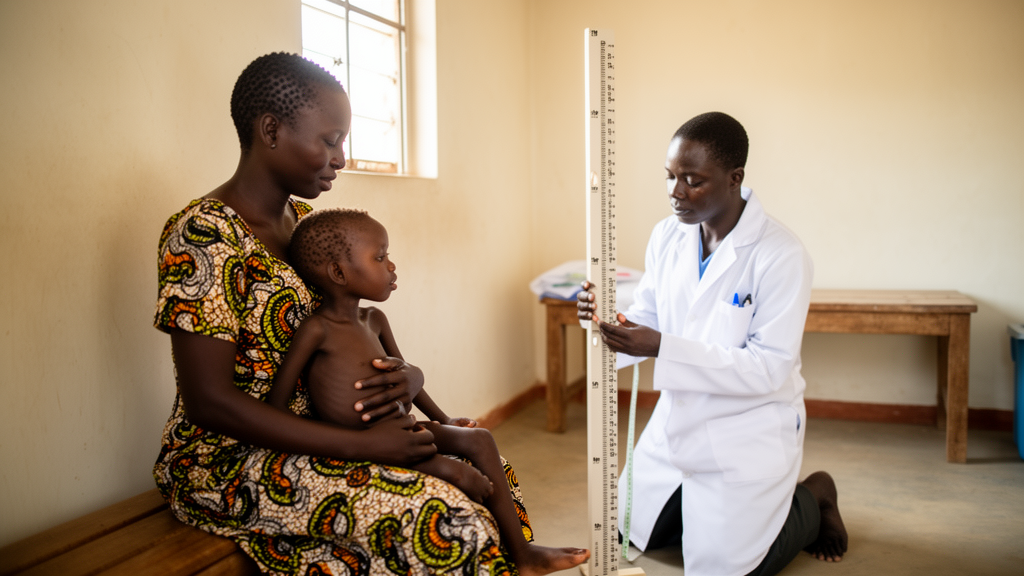
A nationally representative analysis found that 5.5% of mother-child dyads in Mozambique experienced a dual burden of malnutrition in 2022–2023. The cross-sectional study used data from the country’s Demographic and Health Survey and examined 3,605 mother-child dyads. The estimate had a 95% confidence interval of 4.6% to 6.6%.
The condition combined maternal overweight or obesity with child undernutrition, measured as stunting, wasting or underweight. Maternal body mass index and child nutritional status were evaluated using World Health Organization guidelines. The researchers estimated prevalence, examined factors associated with the dual burden and assessed socioeconomic inequalities in its distribution.
To account for the survey’s complex design, the researchers used multivariable binary logistic regression, Erreygers’s concentration index and concentration curve analyses. These methods were used to assess associations with maternal and household characteristics and to describe how the burden was distributed across wealth levels, rather than to establish causal relationships or changes over time.
Older mothers had higher adjusted odds of the dual burden than the reference group used in the model. Mothers aged 34 years or older had an adjusted odds ratio of 4.01, with a 95% confidence interval of 1.44 to 11.14. Mothers with four or more children also had higher odds, with an adjusted odds ratio of 2.68 and a 95% confidence interval of 1.29 to 5.57. Both associations were statistically significant at p < 0.05.
Rural residence and use of unimproved toilet facilities were also significantly associated with the dual burden. The authors described unimproved sanitation as an indicator of broader household deprivation. These findings identify population-level associations in Mozambique; they do not show that residence, toilet facilities or other measured characteristics caused the condition.
Maternal age modified the association between women’s empowerment and the likelihood of dual malnutrition. Among women aged 15–19 years, those at the lowest and highest empowerment levels were more likely to experience the condition than women aged 20 or older. The result indicates that the relationship between empowerment and dual malnutrition differed across maternal age groups, rather than following one uniform pattern.
The concentration analysis showed a positive and statistically significant concentration index, indicating that the dual burden was more concentrated among wealthier mother-child dyads. In this survey, the simultaneous presence of maternal excess weight and child undernutrition was therefore more common among wealthier dyads, even though the study also identified rural residence and poor sanitation as significant correlates.
The findings highlight the occurrence of household-level dual malnutrition in Mozambique and support the authors’ call for integrated maternal-child nutrition strategies within national efforts to address social and economic inequalities. Because the study was cross-sectional, it cannot determine whether the observed associations reflect changes over time, causal pathways or factors that differ in other countries. It also does not establish whether targeted interventions would reduce the prevalence of the condition.
Subject of Research: Prevalence and socioeconomic patterning of dual maternal-child malnutrition in Mozambique
Article Title: Dual burden of malnutrition among mother-child dyads in Mozambique: Findings from the Demographic and Health Survey 2022–2023
Article References: Shakurun, N., André, F., & Muhajarine, N. (2026). Dual burden of malnutrition among mother-child dyads in Mozambique: Findings from the Demographic and Health Survey 2022–2023. PLOS One, 21(10), e0361129. https://doi.org/10.1371/journal.pone.0361129
Image Credits: AI Generated
DOI: 10.1371/journal.pone.0361129
Keywords: dual burden of malnutrition, Mozambique, maternal nutrition, child undernutrition, Demographic and Health Survey, maternal overweight, socioeconomic inequality, sanitation, women’s empowerment, Dual, burden, malnutrition
Cite Scienmag News
Daisy Hatcher. (October 26, 2026). Dual malnutrition affected 5.5% of Mozambique mother-child dyads. Scienmag. https://scienmag.com/dual-malnutrition-affected-5-5-of-mozambique-mother-child-dyads/
Daisy Hatcher. "Dual malnutrition affected 5.5% of Mozambique mother-child dyads." Scienmag, 26 October 2026, https://scienmag.com/dual-malnutrition-affected-5-5-of-mozambique-mother-child-dyads/. Accessed 26 October 2026.
Daisy Hatcher. "Dual malnutrition affected 5.5% of Mozambique mother-child dyads." Scienmag. October 26, 2026. https://scienmag.com/dual-malnutrition-affected-5-5-of-mozambique-mother-child-dyads/


