

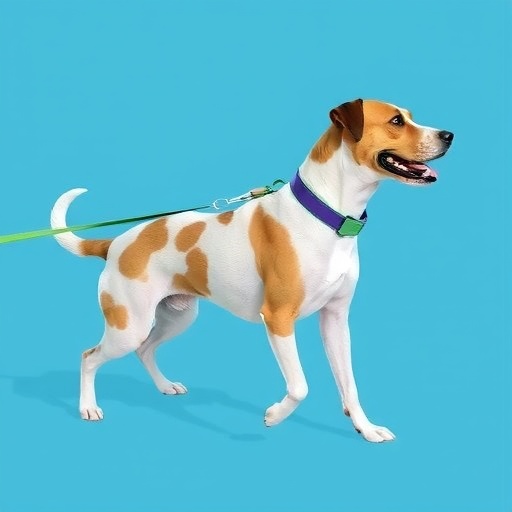
Recent advancements in the analysis of human-animal interactions have unveiled intriguing insights related to the biomechanics of walking dogs. A team of researchers led by Peebles, Bennett, and Morrison has shed light on the dynamics involved in dog-leash pulling forces and how these forces influence the gait patterns of walkers during dog-walking activities. The findings, presented in a recent study published in the Annals of Biomedical Engineering, offer significant implications for understanding the physical stresses placed on both dogs and their human handlers.
In this comprehensive study, the researchers developed a series of experimental setups aimed at measuring the pulling force generated by different dog breeds. Utilizing specialized sensors and equipment, they meticulously quantified the force exerted by dogs when on a leash, providing a detailed look at the variability across sizes, breeds, and temperaments. Such measurements are pivotal in evaluating the relationship between leash pulling and the physical response of walkers, emphasizing the mechanical and physiological stressors applied during daily dog walks.
Moreover, this analysis delves deeper into the kinematics related to dog-walking. Walking is not merely a mundane daily activity; it is a complex interplay of biomechanics that engages various muscle groups in both humans and dogs. The study highlights how the pulling force affects human gait, potentially leading to alterations in stride length, frequency, and overall biomechanics, thereby having repercussions for long-term musculoskeletal health.
As a result of the research, dog owners are encouraged to adopt new, informed practices surrounding leashing to foster healthier interactions. Understanding the impacts of leash pulling could lead to the design of more ergonomic leashes and harnesses that promote harmony in the dog-human relationship. This could, in turn, mitigate injuries among dog owners who frequently face strain from excessive pulling during walks.
In addition, the study emphasizes the role of dog training in reducing leash pulling. Effective training techniques can instill discipline and control in pets, leading to more pleasant walking experiences. The challenge often lies in instilling these habits early on, as puppies tend to exhibit exploratory behavior that can evolve into pulling if left unchecked. Therefore, the behavioral insights presented by the research can serve as a guide for trainers and pet owners alike.
Furthermore, the researchers pursued the emotional aspects of dog-walking and its influence on the human experience. From the companionship dogs provide to the therapeutic benefits derived from exercising with pets, the emotional dynamics are robust. Engaging in walking with dogs not only fulfills physical exercise needs but also can have profound effects on mental health, fostering a bond that enhances well-being on both sides of the leash.
In light of these revelations, the authors urge further investigation into the subject of how different leash configurations could remedy the problematic pulling behavior. Various leashing devices ranging from standard leashes to no-pull harnesses were put under scrutiny as tools to improve the walking experience. The results underscore the need for both innovation in leash technology and continued education about proper leash handling.
Additionally, the researchers propose future studies aimed at exploring longer-term impacts on the musculoskeletal system from repeated exposure to pulling forces. It is suggested that insights gleaned from this line of inquiry could inform prevention strategies for injuries related to leash pulling, promoting healthier lifestyles for dog owners and enhancing the overall well-being of pets.
The findings of this study synthesize existing research while also opening doors for interdisciplinary dialogue among veterinarians, biologists, and biomechanics specialists. By triangulating perspectives from these diverse fields, future research can unravel more nuanced understandings of what constitutes optimal dog-walking practices, paving the way for solutions that benefit both dogs and their human walkers.
In summary, the study led by Peebles and their colleagues demonstrates that the intersection of dog behavior, human biomechanics, and leash technology is ripe for exploration. The impacts of pulling forces during dog walks extend beyond discomfort; they can influence physical and emotional health, highlighting the importance of informed pet ownership.
This newfound knowledge empowers dog owners to consider changes to their walking habits with tangible benefits. Not only do these insights advocate for responsible pet ownership, but they also tip the scales towards safer, more enjoyable experiences for all involved. As dog-walking culture continues to flourish, awareness of these nuances becomes paramount for fostering healthy canine-human partnerships.
In conclusion, Peebles et al.’s groundbreaking study prompts a reassessment of dog-walking practices and encourages innovation in leash design, aiming to enhance the well-being of both canines and their companions. The conversation surrounding responsible, informed dog walking is more critical than ever, leading the way for safer interactions that promote healthier lifestyles.
Subject of Research: Dog-Leash Pulling Force and the Impact of Dog-Walking on Gait Kinematics
Article Title: Assessment of Dog-Leash Pulling Force and the Impact of Dog-Walking on Gait Kinematics
Article References:
Peebles, A., Bennett, M., Morrison, S. et al. Assessment of Dog-Leash Pulling Force and the Impact of Dog-Walking on Gait Kinematics.
Ann Biomed Eng (2026). https://doi.org/10.1007/s10439-025-03954-1
Image Credits: AI Generated
DOI: https://doi.org/10.1007/s10439-025-03954-1
Keywords: biomechanics, dog behavior, leash pulling, gait kinematics, dog walking, human-animal interaction.


