


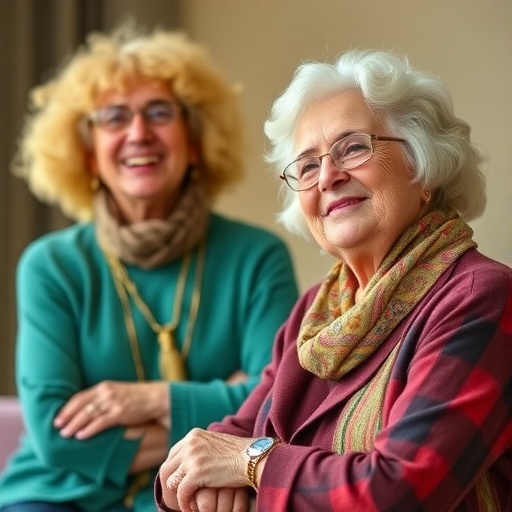
In recent years, the concept of generativity has gained increasing attention within the fields of psychology and gerontology. Generativity, often defined as the concern for establishing and guiding the next generation, has profound implications for understanding the well-being of older adults. A significant new study titled “Generativity Over the Life Course: A Study of Ethnoculturally Diverse Older Adult Volunteers,” led by researchers O’Dea, Wister, and Canham, sheds light on how generativity manifests across different ethnocultural backgrounds and its impact on the lives of older adult volunteers.
The researchers embarked on a comprehensive investigation to explore how older adults engage in generative actions and the psychological benefits that arise from such involvement. Their study included a diverse sample of older adults from various cultural backgrounds, allowing for a richer understanding of how generativity is experienced differently across ethnocultural groups. In a world that is becoming increasingly interconnected, understanding these differences is critical for developing interventions aimed at enhancing the lives of older adults.
Generativity is characterized by a desire to leave a legacy, whether through guiding future generations, nurturing relationships, or contributing to community welfare. The researchers examined this construct within a framework that recognizes the role of cultural context in shaping individuals’ motivations and opportunities for generative acts. This culturally nuanced approach not only enriches the discussion surrounding generativity but also emphasizes the necessity of incorporating diverse perspectives in psychological research.
Findings indicate that older adult volunteers who engage in generative activities often report higher levels of life satisfaction and psychological well-being. This connection between generativity and positive mental health outcomes reinforces the importance of promoting volunteerism and community involvement among older adults. As the global population ages, fostering generativity may serve as a valuable strategy for enhancing the quality of life for seniors.
The study outlines several key areas where generativity flourishes. Participants reported that engaging in mentoring roles, participating in intergenerational programs, and contributing to community initiatives provided profound fulfillment. By aligning their generative activities with their personal values and cultural practices, older adults found renewed purpose and connectedness in their lives. This connection between cultural identity and generativity highlights the necessity of creating inclusive platforms that allow for the expression of diverse generative contributions.
Furthermore, the research reveals that generativity can act as a buffer against feelings of loneliness and isolation, which are prevalent among older adults. By being connected to their communities through volunteer work and mentorship, participants experienced a sense of belonging and relevance in a fast-paced world that often marginalizes older individuals. The social bonds formed through these activities provide crucial emotional support, indicating that generativity is not only a personal endeavor but also a communal one.
The implications of these findings extend to policymakers, community leaders, and health care professionals who work with older populations. By recognizing the value of generative engagement, programs can be developed to encourage volunteerism among older adults, particularly in ethnoculturally diverse communities. Such programs could involve training and support for volunteer roles that resonate with participants’ cultural backgrounds, thereby increasing their likelihood of involvement.
Interestingly, the study also addresses some barriers that prevent older adults from engaging in generative activities. Financial constraints, health issues, and lack of awareness or opportunities can all hinder participation. Addressing these barriers is critical in promoting generativity as a vehicle for enhancing well-being among older adults. Communities must work to provide accessible and equitable opportunities for seniors to engage meaningfully in generative activities.
As generativity is often intertwined with an individual’s sense of identity, the study highlights the importance of understanding how cultural backgrounds shape one’s approach to generative acts. Various cultural frameworks inform how older adults perceive their roles and responsibilities toward future generations, blending tradition with innovation in their generative expressions.
Moreover, older adults who discussed their generative efforts also noted the positive effects of storytelling and sharing wisdom with younger generations. This exchange of knowledge not only enriches the lives of both parties but also reinforces community bonds and cultural heritage. The act of storytelling serves as a powerful generative tool that can be especially relevant in ethnoculturally diverse contexts where intergenerational connections may need nurturing.
In conclusion, the findings from “Generativity Over the Life Course” illuminate the vital role of generativity in enhancing the lives of ethnoculturally diverse older adults. As these individuals engage in volunteer work and active citizenship, they not only enrich their own lives but also foster a sense of community and belonging. The university-based study serves as a reminder of the importance of inclusivity and cultural sensitivity in research and practice, especially in exploring the potential of older adults to contribute meaningfully to society.
As society grapples with an aging population, fostering generativity amongst older adults should become a priority for communities and policymakers alike. By recognizing and supporting the generative potential of older adults, we can create a society that values and uplifts individuals at every stage of life.
This compelling research invites further exploration into the intersections between aging, culture, and generativity, paving the way for future studies aimed at understanding and enhancing the life course experiences of older adults in diverse contexts.
Cite Scienmag News
Glenn Wilkins. (September 16, 2025). Diverse Older Volunteers: Exploring Lifelong Generativity. Scienmag. https://scienmag.com/diverse-older-volunteers-exploring-lifelong-generativity/
Glenn Wilkins. "Diverse Older Volunteers: Exploring Lifelong Generativity." Scienmag, 16 September 2025, https://scienmag.com/diverse-older-volunteers-exploring-lifelong-generativity/. Accessed 4 September 2026.
Glenn Wilkins. "Diverse Older Volunteers: Exploring Lifelong Generativity." Scienmag. September 16, 2025. https://scienmag.com/diverse-older-volunteers-exploring-lifelong-generativity/


