


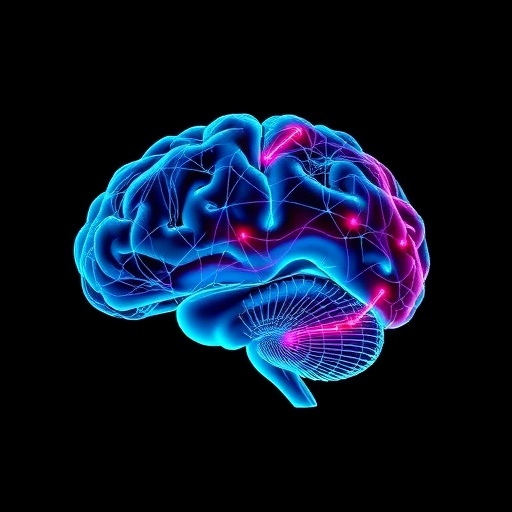
In a groundbreaking study that delves deep into the enigmatic realm of epilepsy, researchers have uncovered pivotal distinctions in the brain’s dynamic functional network connectivity (dFNC) patterns between two prevalent childhood epilepsy types: childhood absence epilepsy (CAE) and self-limited epilepsy with centrotemporal spikes (SeLECTS). This research, published in Pediatric Research, leverages resting-state functional magnetic resonance imaging (fMRI) to dissect the subtle yet impactful ways these epileptic conditions manifest in the brain’s intrinsic connectivity dynamics.
Epilepsy, a neurological disorder characterized by recurrent seizures, affects millions worldwide, with diverse subtypes presenting varying clinical symptoms and prognoses. Of particular interest in pediatric populations are CAE and SeLECTS, both of which impose unique developmental and cognitive challenges. Prior studies have elucidated static brain network alterations in these conditions, but this investigation pushes the frontier by focusing on how the brain’s connectivity constantly changes—its dynamic functional connectivity—during rest.
Dynamic functional network connectivity refers to the temporal fluctuations in the synchronization of activity between different brain regions. Unlike static connectivity metrics that average these signals across scan durations, dFNC captures the brain’s fluid engagement in multiple network states, which is critical for understanding complex neurodevelopmental disorders such as epilepsy. This innovative approach promises a more nuanced understanding of how epileptic activity disrupts or modulates brain function over time.
The study enrolled young patients diagnosed with either CAE or SeLECTS and subjected them to resting-state fMRI scans. Utilizing advanced computational techniques, including sliding window analysis to map the temporal variability of connectivity, researchers constructed detailed representations of brain network states. These states reflect dynamic integrations and segregations among networks such as the default mode network, sensorimotor network, and executive control systems.
One of the study’s most compelling findings is the distinct pattern of dynamism in the two epilepsy types. Patients with CAE showed increased occupancy in connectivity states characterized by widespread decreased integration between networks responsible for attention and cognitive control. This hypoconnectivity may underlie the hallmark clinical feature of CAE—brief episodes of impaired awareness or absence seizures.
Conversely, children with SeLECTS exhibited unique dynamic signatures featuring transient increases in connectivity within the sensorimotor network, consistent with the centrotemporal spike discharges that typify this epilepsy syndrome. Intriguingly, these transient periods of heightened connectivity may reflect the brain’s compensatory or ictal-related phenomena linked directly to the clinical semiology of focal motor seizures observed in SeLECTS.
Beyond revealing these distinctive neural fingerprints, the investigation further connected these dynamic patterns to clinical measures, including seizure frequency, duration, and cognitive testing outcomes. In CAE, longer epilepsy duration correlated with greater instability in functional connectivity states, suggesting that chronic epileptic activity disrupts network stability and possibly impairs cognitive function developmentally. In SeLECTS, increased dynamic connectivity fluctuations were associated with better cognitive performance, inviting speculation that these brain dynamics reflect a resilience mechanism or adaptive neuroplasticity.
This nuanced perspective on epilepsy underscores the importance of time-varying connectivity metrics in clinical neuroimaging. Previously, static brain network maps rendered an incomplete picture, potentially overlooking critical epileptic mechanisms that unfold over seconds to minutes. By embracing the complexity of dFNC, this research opens promising avenues for personalized epilepsy diagnostics, offering potential biomarkers to differentiate epilepsy types with overlapping clinical presentations.
Moreover, the implications of these findings transcend diagnostic refinement. Understanding how dynamic network disruptions manifest offers insights into therapy targets. For instance, interventions aimed at stabilizing network dynamics or enhancing compensatory connectivity patterns may ameliorate cognitive deficits in CAE or modulate seizure susceptibility in SeLECTS. Future therapeutic strategies might thus be informed by real-time monitoring of brain network fluctuations.
The application of resting-state fMRI in pediatric epilepsy patients marks a significant advance, given the challenges in acquiring high-quality, motion-free neuroimaging data from children. The research team’s methodological rigour ensured robust data acquisition and sophisticated analytic workflows, enhancing the reliability of dynamic connectivity assessments in this vulnerable population.
This study also contextualizes the dynamic brain connectivity alterations within developmental neurobiology paradigms. Epilepsy in children occurs at a critical period of neural maturation, where disruptions to network integration and segregation can have cascading effects on cognitive trajectories and behavioral outcomes. By characterizing distinct temporal connectivity profiles in CAE and SeLECTS, the research illuminates how temporal network dysregulation interfaces with age-related brain development.
Importantly, the work hints at the potential for dynamic connectivity metrics to serve as predictive tools in epilepsy prognosis. If validated in larger cohorts, these biomarkers could inform clinicians about likely disease courses or responses to specific treatments. This prognostic potential aligns with the precision medicine movement aimed at tailoring care based on individual neurobiological signatures.
The convergence of neuroimaging, computational neuroscience, and clinical neurology in this study exemplifies the interdisciplinary efforts shaping modern epilepsy research. By mapping the brain’s communication patterns in real-time and correlating them with seizure types and cognitive effects, the authors shed light on epilepsy not merely as a static structural brain disorder but as a dynamic network disease.
This paradigm shift towards viewing epilepsy through the lens of temporally evolving brain connectivity represents an exciting frontier. It challenges researchers and clinicians alike to refine diagnostic definitions, monitor disease progression dynamically, and develop temporally targeted interventions. The study’s findings are particularly relevant for pediatric neurology, where early therapeutic interventions can dramatically influence lifelong outcomes.
In conclusion, the study revolutionizes our understanding of childhood epilepsy by illuminating how dynamic functional brain networks differentiate CAE and SeLECTS. These insights pave the way for innovative clinical practices grounded in real-time brain network monitoring and drive forward the quest to unravel the intricate neural choreography underlying epileptic disorders.
As the field advances, this research invites further exploration into how dynamic brain network patterns evolve before, during, and after seizures, potentially unlocking critical windows for intervention. It sets a new standard for incorporating temporal brain connectivity analyses into the clinical management of epilepsy and enhances the prospects for improved quality of life for affected children worldwide.
With this pioneering contribution, Song, Wu, Liu, and colleagues not only deepen our neurobiological understanding of two prevalent childhood epilepsies but also spark a transformative dialogue on the role of dynamic brain networks in shaping neurological disease phenotypes. Their work embodies the cutting-edge of epilepsy research, promising to guide meaningful advances in diagnosis, treatment, and prognosis.
Cite Scienmag News
Cassandra Pierce. (October 11, 2025). Distinct Brain Connectivity in Childhood Epilepsy Revealed. Scienmag. https://scienmag.com/distinct-brain-connectivity-in-childhood-epilepsy-revealed/
Cassandra Pierce. "Distinct Brain Connectivity in Childhood Epilepsy Revealed." Scienmag, 11 October 2025, https://scienmag.com/distinct-brain-connectivity-in-childhood-epilepsy-revealed/. Accessed 3 September 2026.
Cassandra Pierce. "Distinct Brain Connectivity in Childhood Epilepsy Revealed." Scienmag. October 11, 2025. https://scienmag.com/distinct-brain-connectivity-in-childhood-epilepsy-revealed/


