


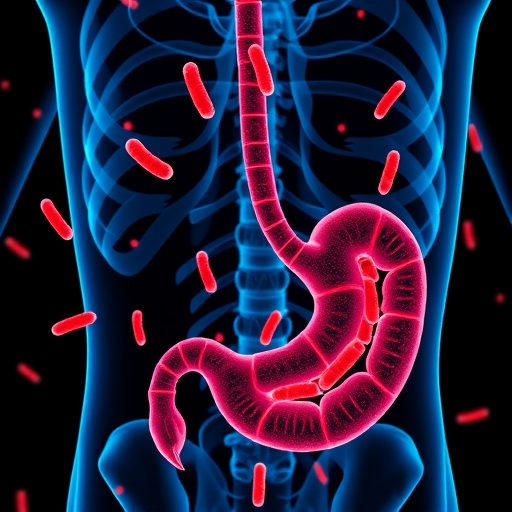
Antralization, a pivotal and reversible stage in the progression towards gastric cancer, has long evaded precise identification due to the scarcity of reliable biomarkers. This challenge has spurred a groundbreaking prospective study designed to unearth specific biological indicators of antralization, leveraging both peripheral blood analyses and gastric mucosal examinations. Researchers employed a rigorous methodology involving adult patients presenting with upper gastrointestinal symptoms, meticulously classifying them into antralization and non-antralization cohorts based on pathological assessments. The study’s multifaceted approach also integrated the detection of Helicobacter pylori (H. pylori) infection through advanced techniques such as the 13C-urea breath test, rapid urease test, and serological assessments, ensuring robust and accurate infection status determination.
Among the 92 patients scrutinized, the prevalence of H. pylori infection was notably high, with 45.7% testing positive, while antralization was diagnosed in two-thirds of the cohort. The findings revealed a compelling association: individuals exhibiting antralization not only presented with increased rates of H. pylori infection but also demonstrated a heightened incidence of acid reflux. This correlation underscores the intricate interplay between microbial colonization, mucosal transformation, and gastroesophageal physiology, suggesting that acid reflux could be a significant contributing factor or consequence of antral mucosal changes.
Delving deeper into the immunological landscape, patients with antralization exhibited elevated plasma lymphocyte counts, indicating an active immune response potentially triggered by mucosal injury or bacterial presence. Simultaneously, these patients displayed reduced serum levels of lipopolysaccharides (LPS), complex molecules typically associated with bacterial endotoxins that stimulate inflammatory processes. This inverse relationship between lymphocyte abundance and circulating LPS hints at a nuanced immune modulation during antral transformation, possibly reflecting a protective mechanism or the localized sequestration of bacterial components within the gastric environment.
Histopathological examinations illuminated distinct patterns of mucin and trefoil factor expression in the gastric mucosa of antralized patients. The positive rates and intensity of trefoil factor-2 (TFF2) and mucin 6 (MUC6) were significantly elevated in the incisura and gastric body compared to non-antralized mucosa. Conversely, mucin 5AC (MUC5AC), a key component of the gastric mucus barrier, was markedly diminished in both its presence and expression levels. These molecular shifts suggest that antralization entails a reprogramming of mucosal secretory profiles, potentially influencing the protective mucous layer’s composition and resilience against pathogenic insults.
Interestingly, mucin 5B (MUC5B) expression was selectively augmented in the gastric body mucosa with antralization, positioning it as another distinctive molecular hallmark of this stage. The differential expression of mucins, each with specific biochemical and protective functions, highlights the refined alterations of the gastric surface quintessential to antralization. Such findings provide crucial insights into the cellular and molecular remodeling that precedes neoplastic transformation, framing TFF2, MUC6, and MUC5B as potential biomarkers with both diagnostic and prognostic value.
Acid reflux, often clinically associated with gastroesophageal reflux disease (GERD), emerged as a significant clinical feature linked with antralization. This connection not only reinforces the pathogenic role of reflux in mucosal injury and transformation but also emphasizes the need for comprehensive clinical surveillance in patients with upper gastrointestinal symptoms. Understanding the bidirectional relationship between reflux phenomena and mucosal alterations opens new avenues for targeted therapy and early intervention, potentially curbing the progression toward gastric cancer.
The study’s identification of hematological markers such as increased lymphocyte counts alongside mucosal changes offers a dual diagnostic axis that can be exploited for non-invasive screening. The integration of peripheral blood analysis with mucosal biopsies enhances the precision of identifying antralization, facilitating timely clinical decision-making. These combined biomarkers transcend traditional diagnostic paradigms, charting a path towards personalized medicine in gastric pathology.
Beyond diagnostic implications, the downregulation of MUC5AC and upregulation of TFF2 and certain mucins may reflect adaptive responses aimed at preserving mucosal integrity under duress from infection or acidic reflux. Trefoil factors, known for their role in mucosal repair and restitution, may be upregulated as a compensatory mechanism in the face of epithelial damage, while shifts in mucin profiles could alter the viscoelastic properties of the gastric mucus layer, influencing pathogen adherence and tissue susceptibility.
Importantly, the study’s prospective cohort design lends credibility and temporal relevance to the observed associations, minimizing biases inherent in retrospective analyses. By systematically following patients presenting with upper gastrointestinal complaints, the researchers ensured that observed biomarker variations were temporally aligned with clinically relevant mucosal changes. This strategic design bolsters the study’s translational potential, paving the way for the incorporation of identified markers into routine clinical workflows.
Looking forward, the researchers advocate for expansive investigations encompassing additional hematological and molecular markers. The quest is to refine the diagnostic toolkit for antralization further, enhancing sensitivity and specificity while unraveling the underlying molecular mechanisms. Such endeavors will undoubtedly benefit from multi-omics approaches, integrating genomic, proteomic, and metabolomic data to construct comprehensive biomarker panels that mirror the complexity of gastric mucosal transformation.
This pioneering investigation, recently published in the esteemed journal Cancer Screening and Prevention, marks a significant milestone in the quest to intercept gastric cancer at its reversible stages. By unveiling a constellation of antralization-specific factors, it not only enriches current understanding but also heralds new paradigms in early detection and prevention strategies. As gastric cancer remains a leading cause of cancer mortality worldwide, breakthroughs such as these offer hope for improved patient outcomes through precision medicine.
The research also invites a reevaluation of clinical management for patients with upper gastrointestinal symptoms, highlighting the utility of integrating biomarker assessments with traditional diagnostic tools. Continuous surveillance of lymphocyte levels, serum LPS, and mucosal protein expression patterns could become pivotal in identifying patients at heightened risk, thus enabling timely therapeutic interventions.
In summary, this comprehensive study elucidates a network of immunological, biochemical, and histological factors that define antralization in the human stomach. The interplay of microbial infection, immune response modulation, mucin remodeling, and acid reflux outlines a complex yet targetable landscape in the early pathogenesis of gastric cancer. This knowledge equips clinicians and researchers with novel biomarkers and mechanistic insights, fueling the next generation of diagnostic and preventive measures in gastric oncology.
News Publication Date: 30-Sep-2025
Web References:
- Original article DOI: 10.14218/CSP.2025.00016
- Journal: Cancer Screening and Prevention
Cite Scienmag News
Nathaniel Bowman. (October 14, 2025). Discovering Antralization-Specific Biomarkers in Blood and Gastric Tissue of Patients with Upper GI Symptoms. Scienmag. https://scienmag.com/discovering-antralization-specific-biomarkers-in-blood-and-gastric-tissue-of-patients-with-upper-gi-symptoms/
Nathaniel Bowman. "Discovering Antralization-Specific Biomarkers in Blood and Gastric Tissue of Patients with Upper GI Symptoms." Scienmag, 14 October 2025, https://scienmag.com/discovering-antralization-specific-biomarkers-in-blood-and-gastric-tissue-of-patients-with-upper-gi-symptoms/. Accessed 3 September 2026.
Nathaniel Bowman. "Discovering Antralization-Specific Biomarkers in Blood and Gastric Tissue of Patients with Upper GI Symptoms." Scienmag. October 14, 2025. https://scienmag.com/discovering-antralization-specific-biomarkers-in-blood-and-gastric-tissue-of-patients-with-upper-gi-symptoms/


