

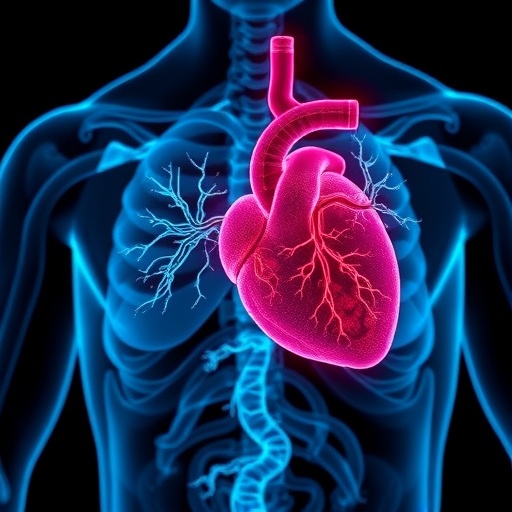
Recent research has uncovered a compelling link between diastolic dysfunction, liver fibrosis, and insulin resistance among individuals experiencing alcohol use disorder (AUD). This finding highlights the intricate web of interactions between various bodily systems under the influence of excessive alcohol consumption, providing crucial insights for medical professionals working to treat and manage the repercussions of AUD.
Diastolic dysfunction, characterized by the heart’s inability to fill properly with blood during the diastolic phase, leads to increased pressure in the heart’s chambers, potentially resulting in heart failure. It is increasingly recognized that cardiovascular health is intricately intertwined with metabolic conditions. In the context of AUD, the risk factors for developing diastolic dysfunction become particularly concerning. The study led by Hernández-Rubio and colleagues reveals that these cardiovascular issues are not isolated phenomena but are often accompanied by more systemic health challenges.
At the cellular level, excessive alcohol intake triggers a cascade of biochemical processes that culminate in liver damage. Specifically, alcohol metabolism generates reactive oxygen species, leading to oxidative stress and inflammation that can cause fibrosis – the thickening and scarring of tissue. This condition, in turn, can create a feedback loop affecting insulin sensitivity. The study suggests that as liver fibrosis worsens, the liver becomes less effective at regulating glucose, exacerbating insulin resistance in the body. The ripple effects extend beyond metabolic dysfunction to impact cardiovascular health.
Furthermore, researchers have noted that individuals dealing with AUD often face multiple comorbidities, making the treatment of these patients particularly challenging. Insulin resistance, a condition that is often precursory to type 2 diabetes, is prevalent among those with significant alcohol consumption patterns. The interplay between insulin resistance and diastolic dysfunction could serve as an important focal point for clinical interventions, as both conditions may contribute independently and synergistically to adverse health outcomes.
The study also highlights the necessity for healthcare professionals to adopt a more holistic approach when addressing patients with AUD. Traditional treatment regimens may overlook the importance of cardiovascular health, particularly as the link between alcohol consumption and heart function becomes clearer. Recognizing diastolic dysfunction as a potential side effect of liver fibrosis due to alcohol could lead to more comprehensive management strategies tailored to individual patient needs.
Another critical aspect of this research is its implications for public health policies and alcohol consumption guidelines. Given the rising trends in alcohol use and its associated health risks, this study underscores the urgency of fostering awareness about the long-term consequences of high alcohol intake. Public health campaigns could be instrumental in educating individuals about the potential risks of developing both cardiovascular and metabolic disorders as a result of their lifestyle choices.
Moreover, the biochemical pathways linking liver health and cardiovascular function hold promise for future therapeutic strategies. Understanding these connections could lead to innovative treatments aimed at ameliorating the impacts of AUD on the body as a whole. For instance, blocking specific pathways involved in oxidative stress and fibrosis could bolster cardiovascular health and improve metabolic outcomes for individuals suffering from AUD.
The research also opens the door for further investigation into how lifestyle modifications can influence these health outcomes. Diet, exercise, and other behavioral modifications could potentially mitigate some of the adverse effects associated with liver fibrosis and insulin resistance. Encouraging patients to adopt healthier lifestyles may not only address their alcohol use but could also ameliorate the cardiovascular risks linked to their condition.
Ultimately, the findings presented in this study serve as a clarion call for increased collaboration between cardiologists, endocrinologists, and addiction specialists. By working together, these professionals can create integrated care plans that encompass the diverse repercussions of alcohol use disorder, addressing cardiovascular health, metabolic function, and liver integrity simultaneously.
In sum, the connection between diastolic dysfunction, liver fibrosis, and insulin resistance in the context of alcohol use disorder reveals a complex interplay of risk factors. With increased research and collaboration, medical professionals can better understand and tackle these issues, improving the prognosis for those affected by AUD. The integration of these findings into clinical practice can help pave the way for a new era of treatment, where comprehensive care becomes the standard for individuals grappling with the severe consequences of alcohol addiction.
This study marks a significant contribution to the literature surrounding alcohol use disorder, revealing critical insights into how this debilitating condition affects not just the liver, but also the heart and metabolic systems. As we continue to learn about the multifaceted nature of AUD, it becomes increasingly clear that a multi-disciplinary approach is necessary for effective treatment and patient care.
In closing, we must remain committed to exploring the myriad ways in which alcohol impacts human health, ensuring that effective strategies are developed to combat its rising prevalence and associated health outcomes. Continued research will be invaluable in developing targeted interventions that support individuals on their path to recovery and sustainable health.
Subject of Research: The association between diastolic dysfunction, liver fibrosis, and insulin resistance in alcohol use disorder.
Article Title: Diastolic Dysfunction is Associated with Liver Fibrosis and Insulin Resistance in Alcohol Use Disorder.
Article References:
Hernández-Rubio, A., Ceballos, S., García-Calvo, X. et al. Diastolic Dysfunction is Associated with Liver Fibrosis and Insulin Resistance in Alcohol Use Disorder.
J GEN INTERN MED (2026). https://doi.org/10.1007/s11606-025-10106-7
Image Credits: AI Generated
DOI: https://doi.org/10.1007/s11606-025-10106-7
Keywords: Diastolic dysfunction, liver fibrosis, insulin resistance, alcohol use disorder, cardiovascular health, metabolic syndrome, oxidative stress, public health, treatment strategies.


