

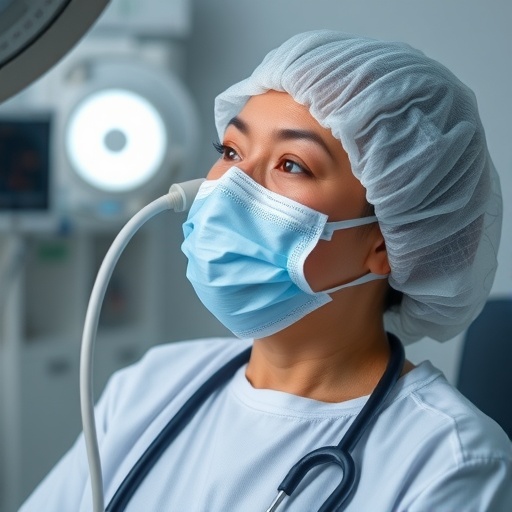
In recent years, the use of prone position ventilation has gained traction in the management of critically ill patients, particularly those suffering from severe respiratory distress. However, this form of ventilation is not without complications, and among the most concerning is the risk of eye injuries. A recent study led by Chen et al. aims to address this issue by constructing a preventive nursing protocol to mitigate eye complications that may arise during the prone positioning of patients. The implications of this study are profound, shedding light on a neglected aspect of critical care nursing.
The study employs the Delphi method, a structured communication technique that derives consensus from a panel of experts. This approach is particularly effective in fields like healthcare, where clinical experience, personal judgment, and practical considerations influence decision-making. The researchers first began by gathering insights from a diverse group of healthcare professionals, including nurses, physicians, and ophthalmologists. This diverse input not only enriched the study’s findings but also ensured that the final protocol would be comprehensive and applicable across various clinical settings.
One of the primary concerns raised by the panel was the frequency and severity of eye complications in patients undergoing prone ventilation. These complications can range from mild conjunctivitis to severe corneal abrasions, leading to prolonged hospital stays and even irreversible damage in extreme cases. The Delphi study brought attention to the fact that many of these injuries are preventable. By implementing a standardized protocol for eye care in this vulnerable population, clinicians may significantly reduce the incidence of these complications.
The protocol developed through this research outlines comprehensive preventive measures to be undertaken by nursing staff when caring for patients in prone position ventilation. Key recommendations include the establishment of routine eye examinations before, during, and after the prone positioning, as well as the use of eye shields, lubrication, and regular repositioning of the patient’s face in relation to the ventilator. These protocols tap directly into the daily routines of nursing practices, making them feasible and practical for widespread implementation.
Moreover, the study highlights the importance of education and training for nursing staff in these protocols. By ensuring that personnel are adequately informed about the risks associated with prone ventilation and the specific measures necessary for eye care, hospitals can create a culture of safety that protects the eye health of critically ill patients. The emphasis on continuous education serves to empower nurses, who are often at the frontline of patient care.
The findings of this research are critical not only for nursing practice but also for hospital policy-makers. As healthcare institutions strive to enhance patient outcomes, implementing such evidence-based protocols can lead to improved overall care quality. Institutions may see a significant reduction in malpractice claims related to eye injuries, decreased length of stays due to complications, and increased patient and family satisfaction scores.
Furthermore, the significance of this study cannot be overlooked in the context of rapidly evolving healthcare practices amid global health crises, such as the COVID-19 pandemic. With the surge of patients requiring mechanical ventilation, understanding the intricacies of prone positioning has become more urgent than ever. The insights gained through this Delphi study could play a crucial role in shaping future nursing protocols not only in China but around the world.
The ability to prevent complications through standardized protocols contributes to the rethinking of critical care nursing strategies. It emphasizes a holistic approach to patient care that considers the multifaceted needs of critically ill patients. Not only does it advocate for physical health, but it also recognizes the psychological and emotional well-being associated with maintaining bodily integrity during a critical illness.
As the findings of Chen et al. garner attention in healthcare circles, the potential for broader application of this research is significant. Different healthcare facilities can adapt these protocols to suit their unique environments and patient demographics. Future studies could even expand upon this research by exploring the long-term outcomes of patients who receive care under such protocols vs. those who do not.
In conclusion, the development of a preventive nursing protocol for eye complications during prone position ventilation marks an important advancement in critical care nursing. The collaborative nature of the research, grounded in expert consensus, paves the way for improved clinical practices. As healthcare systems worldwide strive to ensure patient safety and quality care, studies like this are pivotal in guiding nursing practices that prioritize patient health and well-being in challenging clinical situations.
With the continued evolution of critical care methodologies, it is evident that research must keep pace. Addressing gaps in nursing protocols is essential for enhancing patient outcomes, not just in the immediate context of care but in the long-term health perspectives that guide clinical nursing practices.
Subject of Research: Preventive nursing protocol for eye complications in critically ill patients undergoing prone position ventilation.
Article Title: Construction of a preventive nursing protocol for eye complications in critically ill patients undergoing prone position ventilation in China: a Delphi study.
Article References:
Chen, J., Yang, Q., Wen, Q. et al. Construction of a preventive nursing protocol for eye complications in critically ill patients undergoing prone position ventilation in China: a Delphi study.
BMC Nurs (2026). https://doi.org/10.1186/s12912-025-04246-8
Image Credits: AI Generated
DOI: 10.1186/s12912-025-04246-8
Keywords: Preventive nursing, eye complications, prone position ventilation, Delphi study, critical care nursing.


