


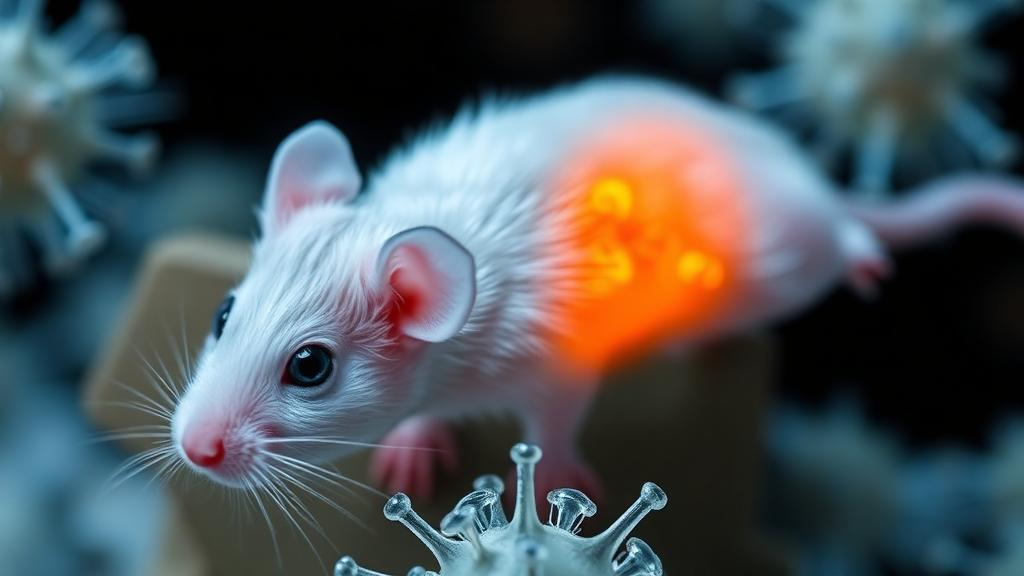
Burn wounds remain one of the most challenging environments in clinical medicine. When skin is destroyed by heat, the body loses its primary barrier against the microbial world, and the warm, protein-rich, devitalized tissue beneath becomes an ideal culture medium for opportunistic pathogens. Infection of second-degree burns can delay healing for weeks, drive systemic inflammation, and in severe cases progress to sepsis. At the same time, the rise of multidrug-resistant bacteria has eroded confidence in the standard antibiotic arsenal, pushing researchers to search for alternatives that do not simply kill microbes more aggressively but instead change the biological terms of engagement. A new study from researchers at the Pasteur Institute of Iran and collaborating institutions, published in Scientific Reports, suggests that an unexpected candidate—non-viable probiotic bacteria, known as paraprobiotics—may offer exactly that kind of shift, simultaneously dampening bacterial virulence and steering the wound environment toward repair.
Paraprobiotics are inactivated microbial cells or their components: bacteria that have been rendered incapable of replication but that retain structural molecules, such as cell wall fragments, surface proteins, and other immunologically active constituents. Because the cells are dead, they carry none of the risks associated with applying live microorganisms to an open wound—no chance of opportunistic infection, no uncontrolled proliferation in immunocompromised tissue, and fewer concerns about horizontal gene transfer. Yet the evidence base for probiotics suggests that many of their beneficial effects on the immune system do not require viability at all. The molecular patterns displayed by inactivated cells can still be recognized by innate immune receptors, modulating inflammatory signaling pathways in ways that may be therapeutically useful. The Iranian team set out to test whether this immunomodulatory potential could be harnessed in one of the most hostile settings in wound care: a burn wound colonized by aggressive bacteria.
The experimental design was deliberately structured to isolate the effects of the paraprobiotic treatment. The researchers created burn injuries in mice and introduced bacterial infections, then divided the animals into twelve groups of three mice each. Different groups received paraprobiotics, conventional antibiotics, or the respective control treatments, allowing direct comparison between the novel biological therapy and the established pharmaceutical approach. The model targeted second-degree burns, in which damage extends through the epidermis into part of the dermis—a depth that makes these wounds particularly vulnerable to infection and clinically significant in human patients. The work was approved by the ethics committee of the Pasteur Institute of Iran and conducted in accordance with the Declaration of Helsinki, and the study was supported by a grant from the Pasteur Institute of Iran.
What distinguishes this study from many previous evaluations of probiotic-derived therapies is the breadth of the measurements. Rather than simply tracking wound size over time, the researchers performed quantitative gene expression analysis on tissue from the wounds, profiling a panel of genes that captures both sides of the healing equation. On the inflammatory side, they measured the messenger RNA levels of three canonical proinflammatory cytokines: interleukin-1 (IL-1), interleukin-6 (IL-6), and tumor necrosis factor-alpha (TNF-α). These molecules orchestrate the early immune response to infection and injury, recruiting immune cells and amplifying antimicrobial defenses, but when their production persists unchecked they become destructive, degrading surrounding tissue and converting a contained injury into a chronic, inflamed wound bed.
On the repair side, the panel included interleukin-10 (IL-10), the body’s principal anti-inflammatory cytokine, which acts as a molecular brake on excessive immune activation; insulin-like growth factor 1 (IGF-1), which stimulates cell proliferation and supports the regeneration of skin structures; and transforming growth factor-beta (TGF-β) together with SMAD2, a signaling intermediate that transmits TGF-β signals into the nucleus. The TGF-β/SMAD axis is central to the later phases of wound healing, driving fibroblast activation, collagen deposition, and the orderly remodeling that turns a raw wound into restored, functional tissue. By quantifying all of these transcripts, the team could ask not just whether the wounds healed faster under paraprobiotic treatment, but whether the underlying immunological program had genuinely shifted from a destructive inflammatory state toward a constructive, regenerative one.
The results, as reported in the paper, were striking on both fronts. Paraprobiotic intervention had a major impact on wound healing and on the suppression of bacterial virulence factors—the molecular tools that pathogens use to adhere to tissue, evade immune defenses, and damage host cells. Suppressing virulence rather than bacterial growth represents a fundamentally different therapeutic logic from antibiotics. Instead of imposing a lethal selection pressure that drives resistance, anti-virulence strategies disarm the pathogen, allowing the host’s own defenses to clear the infection. In an era when resistant strains of Pseudomonas aeruginosa and Staphylococcus aureus—two of the most notorious burn wound pathogens, and both listed among the study’s keywords—routinely defeat last-line antibiotics, therapies that reduce the harm bacteria can do, rather than the bacteria themselves, are attracting intense interest.
The gene expression data reinforced the clinical picture. In the paraprobiotic-treated group, the proinflammatory cytokines IL-1, IL-6, and TNF-α were significantly downregulated compared with the control groups, indicating that the treatment had quieted the destructive inflammatory storm in the wound. At the same time, the anti-inflammatory and tissue repair genes—IL-10, IGF-1, SMAD2, and TGF-β—were upregulated, showing that the wound environment had shifted toward the molecular program of active reconstruction. This coordinated pattern matters because healing is not simply the absence of inflammation; it requires a precisely timed transition from the inflammatory phase to the proliferative and remodeling phases. A therapy that simultaneously reduces inflammatory signaling and elevates repair-associated signaling is effectively accelerating that transition, which is consistent with the observed improvement in wound outcomes.
The authors conclude that paraprobiotics possess strong immunomodulatory and regenerative properties that enhance wound repair, making them promising agents for safer and more effective management of infected burn wounds. The framing is important: the value proposition of paraprobiotics is not that they out-kill antibiotics, but that they address the two intertwined problems of infected burns—uncontrolled inflammation and bacterial aggression—with a single intervention that carries a favorable safety profile. Because the therapeutic agent is non-viable, it can be standardized, sterilized, and stored without the cold-chain and contamination concerns that complicate live biotherapeutics. The researchers argue that their results support the development of natural therapeutic approaches designed to maximize patient outcomes in burn care.
As with any early-stage animal study, the usual caveats apply. The experiment involved small groups of mice, and the translation from a murine model to human burn units—a setting where wound depth, patient comorbidities, and polymicrobial infections add layers of complexity—will require substantially more work. The published version is an early-release, peer-reviewed accepted manuscript that remains subject to further editorial edits. Nevertheless, the study adds to a growing body of evidence that the therapeutic potential of probiotic organisms does not end when their viability does. If subsequent studies confirm that inactivated probiotic cells can reliably suppress bacterial virulence and reprogram wound inflammation in humans, paraprobiotics could find a place alongside antibiotics in the treatment of infected burns—offering clinicians a tool that works with the immune system rather than merely against the microbe, at a time when the alternatives are narrowing.
Subject of Research: Paraprobiotic therapy for infected burn wounds in a mouse model
Article Title: Paraprobiotics suppress bacterial virulence and promote anti-inflammatory tissue repair in a murine infected burn wound model
Article References: Salimi, A., Torkamaneh, M., Haghighatshenas, Z., Sakaki, F., Chiani, M., Sohrabi, A., Aghamohammad, S., & Rohani, M. (2026). Paraprobiotics suppress bacterial virulence and promote anti-inflammatory tissue repair in a murine infected burn wound model. Scientific Reports. https://doi.org/10.1038/s41598-026-75233-5
Image Credits: AI Generated
DOI: 10.1038/s41598-026-75233-5
Keywords: paraprobiotics, burn wounds, wound healing, bacterial virulence, inflammatory cytokines, IL-10, TGF-beta, Pseudomonas aeruginosa, Staphylococcus aureus, mouse model, immunomodulation, antibiotic alternatives
Cite Scienmag News
Denise Maddox. (October 11, 2026). Dead Probiotic Cells Show Promise for Healing Infected Burn Wounds in Mice. Scienmag. https://scienmag.com/dead-probiotic-cells-show-promise-for-healing-infected-burn-wounds-in-mice/
Denise Maddox. "Dead Probiotic Cells Show Promise for Healing Infected Burn Wounds in Mice." Scienmag, 11 October 2026, https://scienmag.com/dead-probiotic-cells-show-promise-for-healing-infected-burn-wounds-in-mice/. Accessed 11 October 2026.
Denise Maddox. "Dead Probiotic Cells Show Promise for Healing Infected Burn Wounds in Mice." Scienmag. October 11, 2026. https://scienmag.com/dead-probiotic-cells-show-promise-for-healing-infected-burn-wounds-in-mice/


