


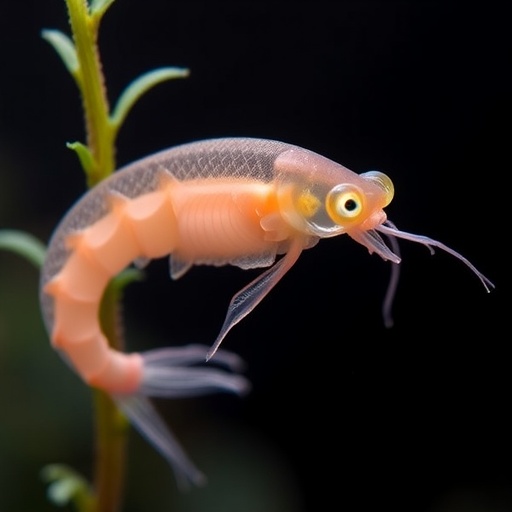
In a groundbreaking study published in Environmental Science and Pollution Research, researchers have revealed the alarming effects of climate change and pollution on aquatic life, specifically focusing on Daphnia magna. This small, freshwater crustacean has emerged as a vital indicator of environmental health, and recent findings illustrate its vulnerable responses to both chemical exposure and rising temperatures.
The study by Rebelo, Antunes, and Rodrigues probes deep into how Daphnia magna, commonly referred to as water fleas, reacts when subjected to 4-chloroaniline, a toxic compound found in various industrial processes. This pollutant not only poses a risk to these organisms but could also signal broader ecological ramifications. These crustaceans, which play a crucial role in freshwater ecosystems, are experienced indicators of water quality, and their distress can cascade through the food web, impacting a range of species that depend on them.
Climate change is no longer a futuristic scenario; it is an ongoing reality with effects that ripple through ecosystems. One of the most significant impacts of climate change is the increase in water temperature, which consequently affects the metabolic rates and physiological responses of aquatic organisms. In the context of this study, higher temperatures can exacerbate the toxicity of chemicals like 4-chloroaniline, rendering environments increasingly inhospitable for sensitive species such as Daphnia magna. The interplay of these two stressors emphasizes the urgency of addressing climate issues in conjunction with pollution controls.
As temperatures rise, so too do the metabolic demands of aquatic organisms. The authors of the study emphasize that the interaction between temperature and chemical exposure creates a scenario that can quickly overwhelm the biological defenses of Daphnia magna. Under heightened thermal stress, the physiological capacity of these organisms to detoxify harmful substances diminishes, leading to increased mortality rates, impaired reproduction, and altered development. This dynamic reveals a critical intersection between anthropogenic pollution and the natural climatic shifts we are witnessing.
In their empirical analysis, Rebelo and colleagues conducted a series of laboratory experiments to quantify the physiological responses of Daphnia magna exposed to varying concentrations of 4-chloroaniline at different temperatures. The findings were deeply concerning; the combination of chemical exposure and increased temperatures led to significant decreases in survival rates and reproductive success. This evidence suggests that rising global temperatures could enhance the harmful effects of environmental pollutants, thereby jeopardizing the health of vital freshwater ecosystems.
The research further highlights the adaptability of Daphnia magna, which is known for its remarkable resilience in fluctuating conditions. However, this resilience has limits. When subjected to the combined pressures of climate change and chemical toxicity, the adaptive capacity of these organisms tested inadequately against the dual threats. The stress response observed in Daphnia magna reflects a broader environmental crisis in which many species may face similar challenges.
The implications of this research extend beyond just the crustacean itself. The results serve as a pragmatic warning for ecosystem managers and policymakers regarding the need to mitigate both pollution and climate change. As aquatic ecosystems struggle to cope with these two formidable pressures, researchers argue that regulatory frameworks must evolve to incorporate ecological considerations holistically rather than in isolation.
Furthermore, Daphnia magna is not an isolated case; its struggles are emblematic of many aquatic species facing similar threats. The cascading effects of their decline could destabilize freshwater habitats, disrupt food chains, and ultimately lead to loss of biodiversity. Preserving the integrity of these ecosystems is not only crucial for the organisms that inhabit them but also for the human communities that rely on clean water sources for drinking, recreation, and economic purposes.
As countries around the globe grapple with the challenges of climate change, studies like Rebelo’s underscore the need for urgent action. Illegal discharges of industrial chemicals remain a significant concern, and this research provides a clarion call for stricter regulations and greater accountability on the part of industrial sectors. Advancing technologies to monitor and reduce chemical emissions can help shield vulnerable aquatic organisms from toxic exposure and foster healthier ecosystems.
The dual threats from climate change and pollution present hurdles that require interdisciplinary approaches involving ecologists, chemists, and policymakers alike. Only through collaborative efforts can we identify sustainable solutions to safeguard our water bodies and, by extension, our planet.
In light of these findings, public awareness and education must also be prioritized. Educating communities about the impacts of pollution and climate change on local ecosystems can empower individuals to advocate for cleaner practices and contribute to conservation efforts. Grassroots movements can drive change at both the local and national levels, fostering a culture of environmental stewardship.
In a broader context, the study serves as a poignant reminder of our interconnectedness with nature. The health of organisms like Daphnia magna reflects our own environmental well-being. When scientific findings illuminate the fragility of our ecosystems, the responsibility lies not only with state governments but also with each individual to act sustainably.
As the climate crisis intensifies, innovative research and comprehensive policy responses must intersect to mitigate adverse effects on both environmental health and human prosperity. Recognizing that the fight against climate change and pollution is not an isolated endeavor but rather a collective struggle, we must foster collaboration to build a resilient future for all Earth’s inhabitants.
The research by Rebelo, Antunes, and Rodrigues illuminates a pressing environmental issue that intertwines the fate of aquatic organisms with human activities. As Daphnia magna faces unprecedented challenges from both 4-chloroaniline and rising temperatures, the findings serve as a wake-up call for what lies ahead if decisive action is not taken soon.
In conclusion, the fate of aquatic ecosystems rests in our hands. The study provides valuable insights into the impacts of climate-induced changes and pollution, urging us to adopt more sustainable practices to preserve our natural legacy. Future generations depend on the choices we make today. The existence of organisms that lead us to understand our ecological responsibilities must not be overlooked.
Cite Scienmag News
Sloane Callahan. (November 24, 2025). Daphnia magna Struggles with Pollution and Climate Change. Scienmag. https://scienmag.com/daphnia-magna-struggles-with-pollution-and-climate-change/
Sloane Callahan. "Daphnia magna Struggles with Pollution and Climate Change." Scienmag, 24 November 2025, https://scienmag.com/daphnia-magna-struggles-with-pollution-and-climate-change/. Accessed 4 September 2026.
Sloane Callahan. "Daphnia magna Struggles with Pollution and Climate Change." Scienmag. November 24, 2025. https://scienmag.com/daphnia-magna-struggles-with-pollution-and-climate-change/


