

Tuesday, October 20, 2026
Science
No Result
View All Result
  • Login
  • HOME
  • SCIENCE NEWS
  • CONTACT US
  • HOME
  • SCIENCE NEWS
  • CONTACT US
No Result
View All Result
Scienmag
No Result
View All Result
Home Science News Cancer

CT body-composition changes precede pancreatic cancer diagnosis

October 20, 2026
in Cancer
Nathaniel Bowman
By Nathaniel Bowman Scienmag Editorial Profile - Precision Oncology
Reading Time: 2 mins read
0
CT body-composition changes precede pancreatic cancer diagnosis

CT body-composition changes precede pancreatic cancer diagnosis

65
SHARES
587
VIEWS
Share on FacebookShare on Twitter
ADVERTISEMENT

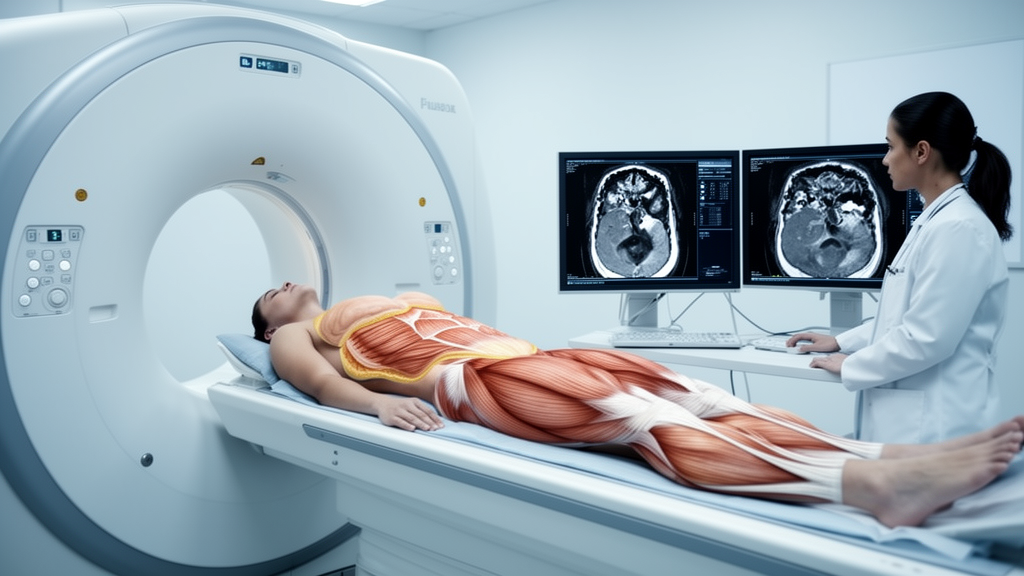
People who later develop pancreatic ductal adenocarcinoma (PDAC) show steeper declines in visceral and subcutaneous fat than matched patients without pancreatic cancer during the three years before diagnosis, according to a peer-reviewed Mayo Clinic study published in Pancreatology. The analysis also found that differences in skeletal muscle were most apparent during the final 12 months before diagnosis. Together, the findings indicate that routinely acquired CT scans may capture measurable body-composition changes associated with pancreatic cancer before it is clinically detected.

The researchers analyzed abdominal CT scans from 1,825 patients with PDAC and 3,650 matched controls from Mayo Clinic sites in Arizona, Florida and Minnesota. They used an artificial intelligence-based body-composition tool to measure changes in skeletal muscle, subcutaneous fat and visceral fat over time. By comparing longitudinal measurements between patients who developed pancreatic cancer and similar individuals without cancer, the investigators assessed whether the timing and rate of body-composition changes differed before diagnosis. The study is observational, so it shows an association between prediagnostic changes and subsequent PDAC rather than proving that those changes cause the disease or that CT-based measurements can screen for it.

The strongest observed difference was a significantly steeper decline in both subcutaneous and visceral fat during the three years before PDAC diagnosis among patients who developed the disease. Muscle differences were less apparent over the full period but became most pronounced in the year immediately preceding diagnosis. When the researchers evaluated whether the muscle and fat measurements could distinguish patients who later developed pancreatic cancer from matched controls, the measures demonstrated moderate discriminatory ability. This supports their potential to provide additional information in future risk-assessment strategies, but the study did not establish a complete clinical prediction model, evaluate a prospective screening program or demonstrate improved patient outcomes.

The results may be relevant to efforts to identify pancreatic cancer earlier because PDAC can develop silently and is often diagnosed after it has spread. Current surveillance programs focus primarily on people with inherited genetic risk or strong family histories, while most pancreatic cancers occur outside those high-risk groups. The Mayo Clinic analysis is, to the researchers’ knowledge, the largest controlled study to examine prediagnostic body-composition trajectories in patients who later developed pancreatic cancer and one of the first to assess whether those trajectories can help distinguish future cases from controls. Mayo researchers are now developing algorithms that combine body-composition measurements with other routinely collected clinical factors and imaging biomarkers to identify patients at increased risk.

Subject of Research: Prediagnostic CT body-composition trajectories associated with pancreatic ductal adenocarcinoma

Article Title: Body composition changes on CT scans may help identify pancreatic cancer risk

Article References: Body composition changes on CT scans may help identify pancreatic cancer risk. Original publication (Bibliographic details unavailable.)

Image Credits: AI Generated

DOI: Not provided

Keywords: pancreatic cancer, pancreatic ductal adenocarcinoma, body composition, CT scans, visceral fat, subcutaneous fat, skeletal muscle, artificial intelligence, early detection, Mayo Clinic, Body, composition

Cite Scienmag News

Nathaniel Bowman. (October 20, 2026). CT body-composition changes precede pancreatic cancer diagnosis. Scienmag. https://scienmag.com/ct-body-composition-changes-precede-pancreatic-cancer-diagnosis/

Nathaniel Bowman. "CT body-composition changes precede pancreatic cancer diagnosis." Scienmag, 20 October 2026, https://scienmag.com/ct-body-composition-changes-precede-pancreatic-cancer-diagnosis/. Accessed 20 October 2026.

Nathaniel Bowman. "CT body-composition changes precede pancreatic cancer diagnosis." Scienmag. October 20, 2026. https://scienmag.com/ct-body-composition-changes-precede-pancreatic-cancer-diagnosis/


Tags: Artificial Intelligenceartificial intelligence in medical imagingbodybody compositioncompositionCT body composition analysisCT scansearly biomarkers for pancreatic cancerearly detectionlongitudinal CT scan analysis for cancer predictionMayo Clinicnon-invasive imaging for pancreatic cancer screeningpancreatic cancerpancreatic cancer early detectionpancreatic ductal adenocarcinomaprediagnostic body composition markerspredictive value of CT scans in pancreatic cancer diagnosisrole of body fat and muscle changes in cancer detectionskeletal muscleskeletal muscle changes prior to pancreatic cancer diagnosissubcutaneous fatsubcutaneous fat loss in pancreatic ductal adenocarcinomavisceral fatvisceral fat decline before pancreatic cancer
Share26Tweet16
Previous Post

Physics-informed recurrent network reaches 81.2% validation ROC-AUC in Mount Umyeon case study

Next Post

Simulated federated TinyML detector runs classroom behavior analysis on a microcontroller

Related Posts

Rare Lung Cancer Drivers in Nepal: ALK and ROS1 Tumors Strike Young Non-Smokers Late
Cancer

Nepal retrospective study characterizes 51 ALK- or ROS1-positive tumors

October 20, 2026
Antibody Maintenance Therapy Shows Promise for Children With High-Risk Neuroblastoma in Real-World Chinese Study
Cancer

Small single-center study describes dinutuximab beta maintenance for high-risk neuroblastoma

October 20, 2026
Early Tumor Shrinkage Predicts Longer Survival in Gastric Cancer Patients on Immunotherapy
Cancer

Early tumor shrinkage associated with longer progression-free survival in measurable advanced gastric or gastroesophageal junction cancer

October 20, 2026
Gene Variant Doubles as Risk Marker and Drug Target in HPV-Linked Cervical Cancer
Cancer

MAPK1 variant linked to cervical disease in 300-person study; simulations predict stronger SCH772984 binding to mutant

October 20, 2026
Synthetic Immune Niche Supercharges T Cell Killing by Speeding Lethal Hits, Study Finds
Cancer

CCL21-ICAM1 synthetic niche accelerates lytic hit delivery by OT-I T cells against B16 melanoma in vitro

October 20, 2026
Fusing CT Scans Before and During Surgery Makes Radioactive Seed Dose Checks More Reliable
Cancer

CT co-registration yields more stable D90 verification in 30-patient retrospective lung cancer study

October 20, 2026
Next Post
Tiny AI Model Spots Classroom Behaviors Without Ever Sending Student Images to the Cloud

Simulated federated TinyML detector runs classroom behavior analysis on a microcontroller

  • Mothers who receive childcare support from maternal grandparents show more optimized

    Mothers who receive childcare support from maternal grandparents show more parental warmth, finds NTU Singapore study

    27656 shares
    Share 11059 Tweet 6912
  • University of Seville Breaks 120-Year-Old Mystery, Revises a Key Einstein Concept

    1061 shares
    Share 424 Tweet 265
  • Bee body mass, pathogens and local climate influence heat tolerance

    682 shares
    Share 273 Tweet 171
  • Researchers record first-ever images and data of a shark experiencing a boat strike

    546 shares
    Share 218 Tweet 137
  • Groundbreaking Clinical Trial Reveals Lubiprostone Enhances Kidney Function

    531 shares
    Share 212 Tweet 133
Science

Embark on a thrilling journey of discovery with Scienmag.com—your ultimate source for cutting-edge breakthroughs. Immerse yourself in a world where curiosity knows no limits and tomorrow’s possibilities become today’s reality!

RECENT NEWS

  • The application of the CRISPR-Cas system in Pseudomonas aeruginosa infections
  • Prenatal PM2.5 and carbon monoxide exposure linked to higher odds of low birth weight in Fujian cohort
  • Melatonin use reported by 13.6% of Syrian medical students in cross-sectional survey
  • Between support and uncertainty: employers’ perspectives on workplace inclusion of people with mental health problems

Categories

  • Agriculture
  • Anthropology
  • Archaeology
  • Athmospheric
  • Biology
  • Biotechnology
  • Blog
  • Bussines
  • Cancer
  • Chemistry
  • Climate
  • Earth Science
  • Editorial Policy
  • Marine
  • Mathematics
  • Medicine
  • Pediatry
  • Policy
  • Psychology & Psychiatry
  • Science Education
  • Science News
  • Social Science
  • Space
  • Technology and Engineering

Subscribe to Blog via Email

Enter your email address to subscribe to this blog and receive notifications of new posts by email.

Join 5,150 other subscribers

© 2025 Scienmag - Science Magazine

Welcome Back!

Login to your account below

Forgotten Password?

Retrieve your password

Please enter your username or email address to reset your password.

Log In
No Result
View All Result
  • HOME
  • SCIENCE NEWS
  • CONTACT US

© 2025 Scienmag - Science Magazine

Discover more from Science

Subscribe now to keep reading and get access to the full archive.

Continue reading