

Thursday, September 3, 2026
Science
No Result
View All Result
  • Login
  • HOME
  • SCIENCE NEWS
  • CONTACT US
  • HOME
  • SCIENCE NEWS
  • CONTACT US
No Result
View All Result
Scienmag
No Result
View All Result
Home Science News Cancer

CREB5 Drives Stem Cell-Like Pathways Fueling Prostate Cancer Progression

March 25, 2026
in Cancer
Nathaniel Bowman
By Nathaniel Bowman Scienmag Editorial Profile - Precision Oncology
Reading Time: 3 mins read
0
CREB5 Drives Stem Cell-Like Pathways Fueling Prostate Cancer Progression
65
SHARES
590
VIEWS
Share on FacebookShare on Twitter
ADVERTISEMENT

A groundbreaking study published on March 17, 2026, in the esteemed journal Oncotarget unveils the pivotal role of the transcription factor CREB5 in regulating stem cell-like transcriptional programs that drive tumor progression in prostate cancer. This landmark research, led by Emmanuel S. Antonarakis and Justin Hwang at the University of Minnesota’s Department of Medicine and the Masonic Cancer Center, sheds new light on the molecular underpinnings of aggressive prostate cancer phenotypes, offering potential avenues for therapeutic intervention.

Prostate cancer remains a leading cause of cancer-related morbidity and mortality globally, particularly in advanced stages where resistance to conventional androgen receptor-targeting therapies emerges. Approximately 30 to 40 percent of advanced prostate tumors exhibit basal-like gene expression programs, which are often linked to poor prognosis. Additionally, stem cell-like (SCL) tumor states have been implicated as a major mechanism by which tumors evade androgen receptor-targeted treatments, highlighting the urgent need for deeper molecular insights.

Through integrative transcriptomic analyses encompassing both primary prostate cancer (n=493) and castration-resistant prostate cancer (CRPC) cohorts (n=208), the researchers established a robust correlation between elevated CREB5 expression and the activation of basal-like and stem cell-associated gene signatures. This suggests that CREB5 operates at the nexus of transcriptional networks that endow tumor cells with stem-like properties and aggressive behavior.

Biochemical assays and chromatin immunoprecipitation sequencing (ChIP-seq) further revealed that CREB5 directly interacts with AP-1 family transcription factors, such as FOS and JUN, binding regulatory elements of AP-1 genes. This interaction amplifies oncogenic transcriptional cascades that foster tumor progression and cellular plasticity, key hallmarks of metastatic and therapy-resistant prostate cancer.

Functional experiments underscored the oncogenic potential of CREB5. Forced overexpression of CREB5 in prostate cancer cell lines resulted in enhanced colony formation in vitro and accelerated tumor growth in xenograft models, unequivocally demonstrating its tumor-promoting capabilities. Conversely, CREB5 knockdown impaired tumorigenicity, indicating the transcription factor’s essential role in maintaining aggressive cancer phenotypes.

Notably, the study’s analysis extended to comparing the expression of androgen receptor splice variant AR-V7 in CRPC tumors stratified by CREB5 levels. High CREB5 expression was associated with increased AR-V7, a marker of resistance to androgen deprivation therapies, suggesting a coordinated mechanism by which CREB5 contributes to therapeutic evasion and disease progression.

Genomic profiling also revealed that tumors with elevated CREB5 harbor distinct somatic alterations, further distinguishing them from low CREB5-expressing tumors. These genetic differences likely synergize with CREB5-driven transcriptional programs to potentiate malignant transformation and metastatic dissemination.

The findings highlight CREB5 not just as a passive biomarker but as a central driver orchestrating transcriptional states that endow tumor cells with plasticity and stemness, thereby promoting tumor aggressiveness. This positions CREB5 as a promising therapeutic target, particularly in androgen receptor-independent prostate cancer variants that currently lack effective treatments.

The research team advocates for the development of novel interventions aiming to disrupt CREB5 activity or its downstream effectors, potentially overcoming resistance mechanisms and improving outcomes for patients with advanced prostate cancer. Future studies are warranted to elucidate the precise molecular pathways mediated by CREB5 and to assess the efficacy of CREB5 inhibition in preclinical and clinical settings.

This study delineates a critical molecular axis in prostate cancer biology, connecting CREB5-regulated transcriptional programs with basal-like and stem cell-like tumor phenotypes. Its implications extend beyond fundamental cancer biology, offering a conceptual framework for combating therapy resistance and tumor progression via targeted disruption of transcription factor networks.

In conclusion, the elucidation of CREB5 as a master regulator of aggressive prostate cancer phenotypes underscores the complexity of tumor transcriptional landscapes and emphasizes the importance of transcriptional plasticity in cancer evolution. Through such insights, the cancer research community gains a new molecular target that may revolutionize therapeutic strategies for prostate cancer.


Subject of Research: Cells

Article Title: CREB5 Drives Stem Cell-Like Pathways Fueling Prostate Cancer Progression

Article References: Makovec, A., Phoenix, J. T., Bergom, H. E., Boytim, E., Gustafson, A. P., Deacon, A., Tape, S., Ali, A., Ludwig, M., Pitzen, S. P., Moline, D., Richter, C., Longie, H., Su, M.-C., Jena, S., Likasitwatanakul, P., Drake, J. M., Huang, R. S., Hahn, W. C., ... Hwang, J. (2026). CREB5 regulates stem cell-like transcriptional programs to enhance tumor progression in prostate cancer. Oncotarget, 17(1), 59-73. https://doi.org/10.18632/oncotarget.28826

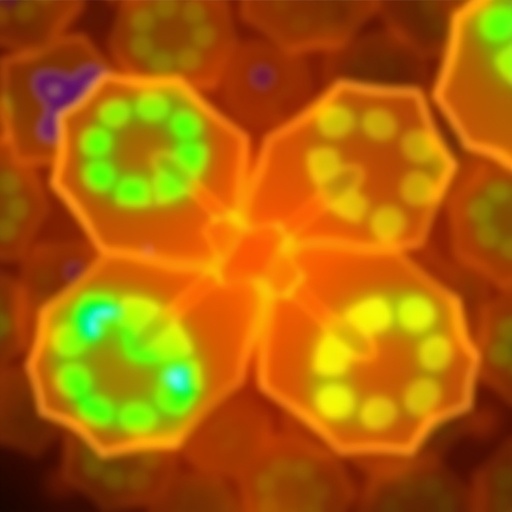
Image Credits: AI Generated

DOI: 10.18632/oncotarget.28826

Keywords: advanced prostate cancer gene signatures, androgen receptor therapy resistance, basal-like gene expression in prostate cancer, castration-resistant prostate cancer molecular biology, CREB5 and cancer stem cell pathways, CREB5 role in prostate cancer, CREB5-driven transcription networks, molecular underpinnings of prostate cancer aggressiveness, prostate cancer transcriptomic analysis, prostate cancer tumor progression mechanisms, stem cell-like transcriptional programs, therapeutic targets in aggressive prostate cancer

Cite Scienmag News

Nathaniel Bowman. (March 25, 2026). CREB5 Drives Stem Cell-Like Pathways Fueling Prostate Cancer Progression. Scienmag. https://scienmag.com/creb5-drives-stem-cell-like-pathways-fueling-prostate-cancer-progression/

Nathaniel Bowman. "CREB5 Drives Stem Cell-Like Pathways Fueling Prostate Cancer Progression." Scienmag, 25 March 2026, https://scienmag.com/creb5-drives-stem-cell-like-pathways-fueling-prostate-cancer-progression/. Accessed 3 September 2026.

Nathaniel Bowman. "CREB5 Drives Stem Cell-Like Pathways Fueling Prostate Cancer Progression." Scienmag. March 25, 2026. https://scienmag.com/creb5-drives-stem-cell-like-pathways-fueling-prostate-cancer-progression/


Tags: advanced prostate cancer gene signaturesandrogen receptor therapy resistancebasal-like gene expression in prostate cancercastration-resistant prostate cancer molecular biologyCREB5 and cancer stem cell pathwaysCREB5 role in prostate cancerCREB5-driven transcription networksmolecular underpinnings of prostate cancer aggressivenessprostate cancer transcriptomic analysisprostate cancer tumor progression mechanismsstem cell-like transcriptional programstherapeutic targets in aggressive prostate cancer
Share26Tweet16
Previous Post

New Study Recommends FDA Rethink Proposed Nutrition Label Design

Next Post

Advancing Smart Grid Technologies: Enhancing Resilience, Security, and Sustainability in the Energy Transition Era

Related Posts

Mini-Tumors Meet Immune Cells: Organoid Co-Cultures Emerge as Personalized Cancer Immunotherapy Testbeds
Cancer

Mini-Tumors Meet Immune Cells: Organoid Co-Cultures Emerge as Personalized Cancer Immunotherapy Testbeds

September 3, 2026
Virologist awarded $2 million NIH grant to investigate how virus-infected cells live and die
Cancer

Virologist awarded $2 million NIH grant to investigate how virus-infected cells live and die

September 3, 2026
Multicenter prospective observational study to evaluate the clinical utility of rs61094339 SNP Kit in predicting response to intravesical Bacillus Calmette-Guérin therapy for highest-risk non-muscle-invasive bladder cancer: the PRECISE-BCG study
Cancer

Multicenter prospective observational study to evaluate the clinical utility of rs61094339 SNP Kit in predicting response to intravesical Bacillus Calmette-Guérin therapy for highest-risk non-muscle-invasive bladder cancer: the PRECISE-BCG study

September 3, 2026
Vasopressin boosts the antiproliferative effect of dynasore and wortmannin in triple-negative breast cancer cells
Cancer

Vasopressin boosts the antiproliferative effect of dynasore and wortmannin in triple-negative breast cancer cells

September 3, 2026
Developmental venous anomalies on fetal magnetic resonance imaging: prevalence and reproducible radiological phenotypes
Cancer

Developmental venous anomalies on fetal magnetic resonance imaging: prevalence and reproducible radiological phenotypes

September 3, 2026
GALNT5 fuels colorectal cancer growth and drug resistance through PI3K/Akt/ABCC1 pathway
Cancer

GALNT5 fuels colorectal cancer growth and drug resistance through PI3K/Akt/ABCC1 pathway

August 31, 2026
Next Post
Advancing Smart Grid Technologies: Enhancing Resilience, Security, and Sustainability in the Energy Transition Era

Advancing Smart Grid Technologies: Enhancing Resilience, Security, and Sustainability in the Energy Transition Era

  • Mothers who receive childcare support from maternal grandparents show more optimized

    Mothers who receive childcare support from maternal grandparents show more parental warmth, finds NTU Singapore study

    27656 shares
    Share 11059 Tweet 6912
  • University of Seville Breaks 120-Year-Old Mystery, Revises a Key Einstein Concept

    1061 shares
    Share 424 Tweet 265
  • Bee body mass, pathogens and local climate influence heat tolerance

    682 shares
    Share 273 Tweet 171
  • Researchers record first-ever images and data of a shark experiencing a boat strike

    546 shares
    Share 218 Tweet 137
  • Groundbreaking Clinical Trial Reveals Lubiprostone Enhances Kidney Function

    531 shares
    Share 212 Tweet 133
Science

Embark on a thrilling journey of discovery with Scienmag.com—your ultimate source for cutting-edge breakthroughs. Immerse yourself in a world where curiosity knows no limits and tomorrow’s possibilities become today’s reality!

RECENT NEWS

  • Panda-livestock interface reveals divergent virus-sharing patterns
  • Sugarcane Waste Transformed Into Biodegradable Films to Rival Plastic Packaging
  • Fecal S100B protein shows promise for assessing C. difficile severity
  • New Mid-Late Maturing Sugarcane Variety CoH 179 Joins India’s Breeding Pipeline

Categories

  • Agriculture
  • Anthropology
  • Archaeology
  • Athmospheric
  • Biology
  • Biotechnology
  • Blog
  • Bussines
  • Cancer
  • Chemistry
  • Climate
  • Earth Science
  • Editorial Policy
  • Marine
  • Mathematics
  • Medicine
  • Pediatry
  • Policy
  • Psychology & Psychiatry
  • Science Education
  • Social Science
  • Space
  • Technology and Engineering

Subscribe to Blog via Email

Enter your email address to subscribe to this blog and receive notifications of new posts by email.

Join 5,151 other subscribers

© 2025 Scienmag - Science Magazine

Welcome Back!

Login to your account below

Forgotten Password?

Retrieve your password

Please enter your username or email address to reset your password.

Log In
No Result
View All Result
  • HOME
  • SCIENCE NEWS
  • CONTACT US

© 2025 Scienmag - Science Magazine

Discover more from Science

Subscribe now to keep reading and get access to the full archive.

Continue reading