


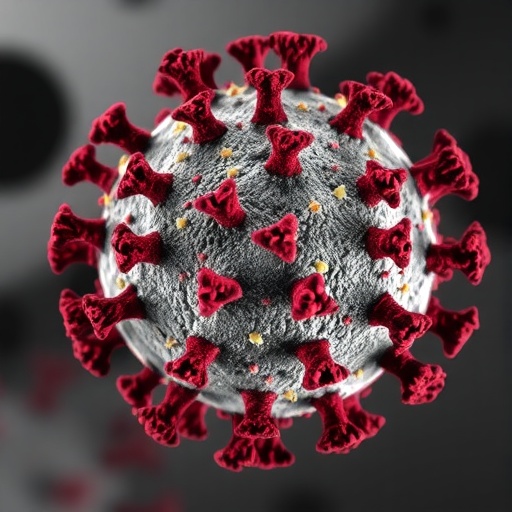
In the wake of the COVID-19 pandemic, a new area of research has come to light, focusing on the profound effects of Adverse Childhood Experiences (ACEs) and the role of hope as a crucial buffer against mental health issues. The study conducted by Penner, Ginty, Tyra, and their colleagues offers a revealing glimpse into how childhood trauma can significantly affect mental well-being during times of high stress, such as those posed by the pandemic. This exploration is timely and essential for mental health practitioners, educators, and policymakers alike.
Adverse Childhood Experiences refer to various forms of trauma that children may face before the age of 18. These experiences include physical, emotional, or sexual abuse, neglect, and household dysfunction, such as living with substance-abusing parents or domestic violence. The cumulative effects of these traumas are now recognized as contributing factors to a wide range of mental health issues later in life. The researchers set out to deepen our understanding of how these adversities interact with the ongoing stressors posed by the COVID-19 pandemic, which has exacerbated mental health struggles worldwide.
What makes this study particularly illuminating is its focus on hope as a variable that can either act as a protective factor or a risk factor when dealing with ACEs. The concept of hope—often defined as a belief in the possibility of a better future—has been relatively underexplored in mental health research, especially concerning its interplay with childhood trauma. In the context of pandemic-related stress, hope might serve as a powerful resilience mechanism, enabling individuals to cope with uncertainties and anxiety that have become more pervasive in modern society.
The researchers utilized a robust methodology, employing a mixed-methods approach that included both quantitative surveys and qualitative interviews. This comprehensive strategy provided a richer, multifaceted understanding of the relationships between ACEs, hope, and mental health outcomes during the pandemic. Participants shared their experiences in detail; many recounted the profound effects that childhood adversities had on their psychological resilience when faced with stressors like job loss, social isolation, and fear of illness.
One striking finding from the research indicates that individuals who reported high levels of hope were better equipped to manage the psychological repercussions of their childhood experiences during the pandemic. Those who maintained an optimistic outlook were more likely to employ positive coping strategies, such as seeking social support or engaging in meaningful self-care practices. This reinforces existing theories in psychology which posit that hope can serve as an essential ingredient for resilience.
Conversely, those who reported lower levels of hope often found themselves struggling to cope, leading to increased stress and degraded mental health. For these individuals, the weight of their childhood experiences was compounded by the challenges brought on by the pandemic, highlighting the urgent need for targeted mental health interventions. This dichotomy illustrates the complexity of mental health outcomes, suggesting that nurturing hope in at-risk populations could be a vital area for practitioners to explore.
The implications of this study extend beyond individual psychology and into broader social concerns. As communities continue to grapple with the aftermath of COVID-19, understanding the interplay between childhood trauma and resilience could help shape mental health initiatives aimed at vulnerable populations. This research emphasizes the need for public health strategies that not only address trauma but also actively foster hope through community engagement, supportive programming, and accessible mental health resources.
Educational settings also stand to benefit from these insights. Schools serve as critical environments for nurturing hope in children, especially those who may have experienced trauma. By integrating social-emotional learning programs that promote hopefulness and resilience, educators can help mitigate the long-term effects of ACEs, interjecting a sense of optimism even in the face of adversity.
Additionally, the study sheds light on the roles that families and communities play in building or undermining hope. Support systems that validate personal experiences and encourage a forward-looking perspective can significantly influence an individual’s ability to cope with stress. Community resilience programs, peer support networks, and parental guidance can all contribute to nurturing a culture of hope that extends beyond the individual level.
Moving forward, it is crucial for researchers to continue exploring the intricate relationships among ACEs, hope, and mental health. Future studies might investigate specific mechanisms through which hope can be cultivated, suggesting practical strategies for clinicians and caregivers. This could involve the development of intervention frameworks that specifically aim to increase hope, alongside counseling and therapy approaches focused on trauma recovery.
In conclusion, the intersection of childhood adversity and hope presents a compelling avenue for understanding mental health in the context of COVID-19 stress. As researchers like Penner et al. continue to illuminate these intricate dynamics, it becomes increasingly clear that fostering hope might not only mitigate the effects of past traumas but also empower individuals and communities to navigate future challenges more effectively. The resilience afforded by hope will become an essential part of our collective response to the mental health crises brought on by the pandemic, guiding us towards a more hopeful and healthier future.
Penner, F., Ginty, A.T., Tyra, A.T. et al. Adverse Childhood Experiences and Hope as Risk and Protective Factors for Mental Health in the Context of COVID-19 Stress. Journ Child Adol Trauma (2025). https://doi.org/10.1007/s40653-025-00772-4
Cite Scienmag News
Courtney Benton. (October 21, 2025). COVID-19 Stress: Balancing Risks and Resilience. Scienmag. https://scienmag.com/covid-19-stress-balancing-risks-and-resilience/
Courtney Benton. "COVID-19 Stress: Balancing Risks and Resilience." Scienmag, 21 October 2025, https://scienmag.com/covid-19-stress-balancing-risks-and-resilience/. Accessed 4 September 2026.
Courtney Benton. "COVID-19 Stress: Balancing Risks and Resilience." Scienmag. October 21, 2025. https://scienmag.com/covid-19-stress-balancing-risks-and-resilience/


