

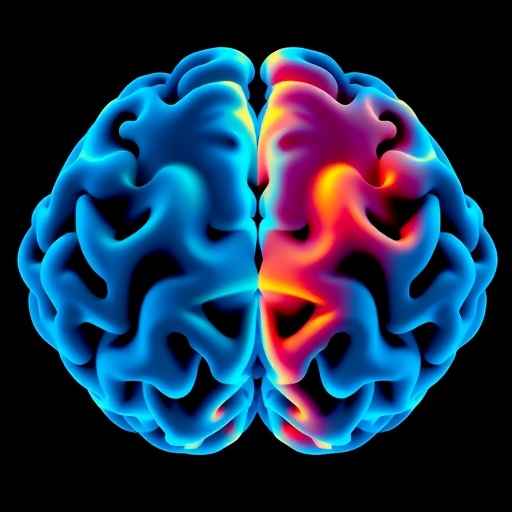
The human brain, with its intricate neural networks, continues to fascinate and baffle researchers, particularly in the realm of recovery following adverse events such as strokes. A recent scoping review highlighted in BMC Neuroscience delves into the role of the contralesional primary motor cortex in aiding upper limb recovery after a stroke. This development is particularly pivotal, given that strokes significantly impair motor functions, leading to long-term disability in numerous individuals. Studying the contralesional primary motor cortex offers a new lens through which we can understand post-stroke rehabilitation.
Strokes occur when the blood supply to part of the brain is interrupted or reduced, preventing brain tissue from getting oxygen and nutrients. The consequences can be devastating, often resulting in the loss of motor functions, particularly in the limbs. Upper limb recovery becomes a critical goal in rehabilitation, as it heavily influences a person’s ability to carry out daily activities and ultimately impacts their quality of life. The contralesional primary motor cortex—the part of the brain that processes motor functions for the limbs opposite the side of body affected—holds promise in facilitating recovery from such debilitating conditions.
Researchers Hernan Fregni, Pattharawadee Suputtitada, and Victor Costa conducted this comprehensive review as part of their efforts to elucidate how the contralesional primary motor cortex contributes to functional recovery. Through the meticulous application of PRISMA-ScR guidelines—an established framework ensuring transparency and reproducibility in scoping reviews—they meticulously sifted through varied studies to extract pertinent findings. The synthesis of these studies offers critical insights into how contralesional regions can be harnessed to enhance rehabilitation strategies.
One of the most striking findings from this review is how the brain exhibits remarkable plasticity. Even after significant injury, the brain can adapt and reorganize itself to compensate for lost functions. This plasticity is particularly pronounced in the contralesional hemisphere, which, following the injury of the ipsilesional hemisphere—typically where the stroke occurs—can take over some motor tasks. This neural adaptation widens the horizon for therapeutic interventions, suggesting that targeted stimulation of the contralesional motor cortex could engender recovery pathways that were previously thought unattainable.
Moreover, the review meticulously highlights various therapeutic strategies aiming to exploit this contralesional connectivity. Rehabilitation techniques including transcranial magnetic stimulation (TMS) have emerged as frontrunners in modulating activity within the contralesional primary motor cortex. By using non-invasive brain stimulation techniques, therapists can enhance excitability in this area, thereby improving motor function. Such efficient stimulation protocols could provide a similar stimulus to the impaired areas of the brain, catalyzing the recovery process.
Additionally, the involvement of augmented feedback mechanisms in upper limb rehabilitation is worth noting. Studies included in the review reflect how feedback mechanisms, whether intrinsic or extrinsic, can significantly influence motor relearning and recovery. The contralesional primary motor cortex, capable of modifying its functional representation based on feedback from the environment, indicates that we might not only be able to recover lost motor functions but also optimize existing ones. Harnessing this feedback in therapeutic practices could lead to profound improvements in recovery trajectories.
Interestingly, the review also emphasizes the role of engaging patients in active rehabilitation practices. Motor imagery and mental practice, where patients visualize themselves performing movements, have been shown to engage the contralesional motor cortex, further underscoring the power of mental processes in recovery. These findings support a broader paradigm shift where cognitive engagement becomes a central tenet in rehabilitation, integrating both mental and physical stages in recovery protocols.
The clinical implications of this research are profound. With a clearer understanding of how the contralesional primary motor cortex facilitates recovery, therapists can tailor individualized rehabilitation protocols. These tailored approaches pivot from traditional methods, incorporating new dimensions such as virtual reality or gamified platforms that directly stimulate contralesional pathways, which can engage patients more effectively and promote better recovery outcomes.
A dynamic interplay between clinical techniques and neuroscience is evident, where researchers and practicing clinicians must collaborate closely. This scoping review nostalgically harkens to previous studies that highlighted the potential of the contralesional cortex, yet it provides a panoptic view of contemporary knowledge and outlines future directions for research. It poses essential questions regarding optimal stimulation parameters and the timing of interventions that are ripe for exploration.
As we look to the future, this research serves as an impetus for further studies aimed at unlocking the full potential of the contralesional primary motor cortex. Larger randomized controlled trials will likely refine the role of various rehabilitation strategies in exploiting this brain area effectively. The collective goal remains to enhance the quality of recovery for stroke patients, ultimately helping them regain independence and improve their quality of life.
In conclusion, the exploration of the contralesional primary motor cortex in relation to recovery from stroke represents an exciting frontier in neuroscience. The implications not only provide hope for individuals affected by strokes but also highlight a crucial intersection of clinical application and theory. Such advancements reinforce the necessity for continuous research and innovation, ensuring that recovery techniques remain ahead of the curve, aligning with our growing understanding of neuroplasticity and motor learning processes.
Subject of Research: The role of the contralesional primary motor cortex in upper limb recovery after stroke.
Article Title: The role of the contralesional primary motor cortex in upper limb recovery after stroke: a scoping review following PRISMA-ScR guidelines.
Article References:
Suputtitada, P., Costa, V. & Fregni, F. The role of the contralesional primary motor cortex in upper limb recovery after stroke: a scoping review following PRISMA-ScR guidelines.
BMC Neurosci 26, 31 (2025). https://doi.org/10.1186/s12868-025-00950-y
Image Credits: AI Generated
DOI: https://doi.org/10.1186/s12868-025-00950-y
Keywords: Stroke recovery, contralesional primary motor cortex, motor cortex plasticity, rehabilitation techniques, transcranial magnetic stimulation, motor imagery, neuroplasticity.


