

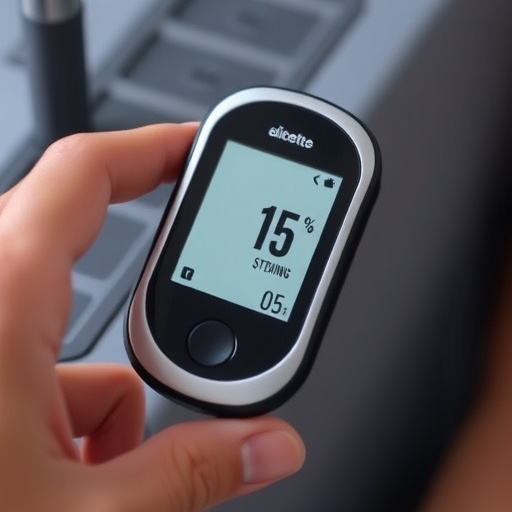
In recent years, the prevalence of type 2 diabetes has surged to alarming levels, making it one of the most pressing healthcare challenges worldwide. The need for effective management strategies has never been more critical. One of the groundbreaking advancements in this area has been the implementation of Continuous Glucose Monitoring (CGM) systems. These devices have transformed not only the way patients manage their condition but also how healthcare providers approach diabetes treatment. As technology continues to advance, it is essential to understand the expanding role of CGM in the management and prevention of type 2 diabetes.
Continuous Glucose Monitoring is a method that measures glucose levels in real time, providing patients with near-instant feedback on their blood sugar levels. This level of monitoring goes far beyond traditional finger-prick measurements, allowing individuals to gain deeper insights into their glucose trends. As a result, patients can make more informed decisions about their diet, exercise, and medication regimens. This shift towards more proactive management is necessary for controlling blood sugar and preventing the long-term complications associated with diabetes.
Research has shown that the use of CGM can lead to improved glycemic control, particularly in individuals with type 2 diabetes who struggle to maintain target glucose levels. By providing continuous feedback, CGM allows users to identify patterns and trends that traditional monitoring methods may miss. This capability is invaluable, as it empowers patients to take charge of their health and enables healthcare providers to tailor treatment plans more effectively.
The technology underpinning CGM is fascinating. Most CGM devices consist of a small sensor placed under the skin that measures glucose levels in the interstitial fluid. This data is then transmitted to a receiver, smartphone, or smartwatch, where users can view their glucose levels in real time. Some systems also provide alerts when glucose levels are trending up or down, allowing for timely interventions to prevent hyperglycemia or hypoglycemia. This innovation is particularly beneficial for those who experience “hypo-unawareness,” a condition where an individual cannot recognize the symptoms of low blood sugar.
While CGM has predominantly been used among individuals with type 1 diabetes, recent studies are highlighting its efficacy in type 2 diabetes management. The data suggests that the integration of these devices into daily routines can significantly improve not only glucose levels but also overall quality of life. Patients report feeling more confident in managing their condition and experience less anxiety regarding their blood sugar levels, which can lead to a more positive outlook on their health journey.
In addition to its impact on individual health outcomes, the use of CGM also has implications for the healthcare system as a whole. By improving glycemic control, these devices can lead to a reduction in healthcare costs associated with diabetes complications. For instance, better management may prevent hospitalizations due to diabetes-related conditions, thereby alleviating the financial burden on both patients and healthcare providers. As such, the economic benefits of widespread CGM adoption could be significant.
Despite the advantages of CGM, it is important to acknowledge the barriers to widespread implementation. Cost and accessibility remain major challenges, as not all patients have equal access to these devices or the resources to afford them. Furthermore, there is a learning curve associated with effectively utilizing CGM technology, necessitating adequate training and support for patients. Overcoming these hurdles will require collaborative efforts from healthcare professionals, technology manufacturers, and policymakers to ensure that CGM is accessible to all individuals with diabetes.
Moreover, the role of CGM extends beyond mere glucose monitoring; it can act as a catalyst for lifestyle changes in patients. The real-time feedback provided by these devices encourages users to engage in healthier eating habits and regular physical activity. For many, this can be a transformative experience, as individuals begin to see the direct impact of their choices on their blood sugar levels. Consequently, this enhanced awareness fosters a culture of proactive health management, essential for preventing the onset of type 2 diabetes in at-risk populations.
As research evolves, the future of CGM technology looks promising. Ongoing studies are investigating the integration of artificial intelligence (AI) and machine learning to provide even more personalized recommendations for users. Such advancements could further enhance the precision of glucose monitoring and make it easier for patients to manage their diabetes effectively. Additionally, as data from CGM systems becomes increasingly comprehensive, it could lead to new insights into diabetes pathophysiology, paving the way for innovative treatment strategies.
In conclusion, Continuous Glucose Monitoring represents a paradigm shift in the management and prevention of type 2 diabetes. By empowering patients with real-time data, these devices facilitate more informed decision-making and foster greater engagement in health management. While challenges remain in terms of cost and accessibility, the potential benefits of CGM are immense. From improving individual health outcomes to reducing healthcare costs, the expanding role of CGM in diabetes care is undeniable, marking a significant advance in the ongoing battle against this chronic disease.
As we move forward, it will be critical for healthcare stakeholders to prioritize the integration of CGM into diabetes management strategies and to continue exploring innovative solutions that leverage technology for improved patient outcomes. The future of diabetes care lies not just in the treatment of this condition but in the proactive prevention efforts that empower individuals to take charge of their health through tools like Continuous Glucose Monitoring.
Subject of Research: Continuous Glucose Monitoring in Type 2 Diabetes
Article Title: The Expanding Role of Continuous Glucose Monitoring in the Management and Prevention of Type 2 Diabetes
Article References: Son, H., Moon, SJ. & Cho, Y.M. The Expanding Role of Continuous Glucose Monitoring in the Management and Prevention of Type 2 Diabetes. Diabetes Ther (2025). https://doi.org/10.1007/s13300-025-01830-8
Image Credits: AI Generated
DOI: https://doi.org/10.1007/s13300-025-01830-8
Keywords: Continuous Glucose Monitoring, Type 2 Diabetes, Diabetes Management, Preventive Health, Real-time Feedback, Glycemic Control.


