


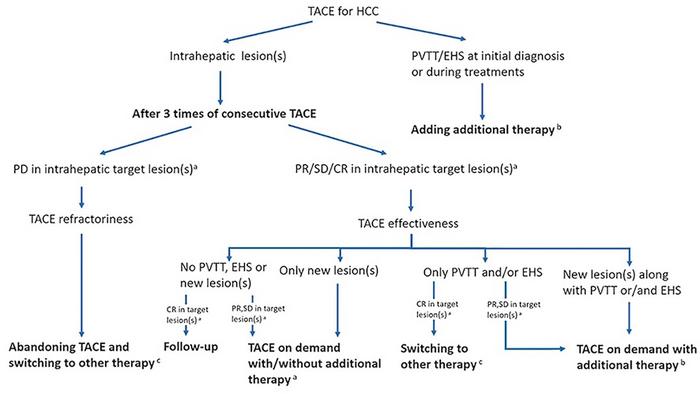
Hepatocellular carcinoma (HCC) poses a substantial health burden globally, with liver cancer being the fourth most common cause of cancer-related mortality worldwide. In China, where the incidence of HCC is particularly high due to the prevalence of chronic hepatitis B virus (HBV) infection, the disease accounts for a significant portion of cancer-related deaths. Transarterial chemoembolization (TACE) has emerged as a frontline treatment option for unresectable HCC, offering palliative therapy and, in some cases, curative potential by superselective embolization.

Credit: Chinese Medical Journal
Hepatocellular carcinoma (HCC) poses a substantial health burden globally, with liver cancer being the fourth most common cause of cancer-related mortality worldwide. In China, where the incidence of HCC is particularly high due to the prevalence of chronic hepatitis B virus (HBV) infection, the disease accounts for a significant portion of cancer-related deaths. Transarterial chemoembolization (TACE) has emerged as a frontline treatment option for unresectable HCC, offering palliative therapy and, in some cases, curative potential by superselective embolization.
Despite its widespread use, determining the point at which TACE becomes ineffective, termed “TACE refractoriness,” presents a challenge for clinicians. This issue is exacerbated in China, where patients often present with advanced-stage disease and higher tumor burdens, posing significant challenges for treatment.Top of Form
The lack of a standardized definition for TACE refractoriness further complicates treatment decisions, leading to variability in clinical practice and potentially suboptimal outcomes for patients.
Previous studies have explored various definitions of TACE refractoriness, but the consensus remains elusive. To address this pressing issue, the Chinese College of Interventionalists (CCI) introduced a consensus statement on “TACE refractoriness in HCC” and published it in the Chinese Medical Journal on 02 August, 2024. This consensus statement aimed to define the concept of TACE refractoriness from experienced physicians in the field of HCC treatment in China. Highlighting the importance of the study, Dr. Ni, emphasizes, “The formulation of the CCI definition and consensus statement on ‘TACE refractoriness’ aims to introduce more reliable concepts of ‘TACE refractoriness’ so as to better guide the clinical practice of TACE for patients with HCC in China.”
Several key consensus statements were emerged, addressing the crucial aspects of TACE refractoriness:
- Consensus 1: TACE refractoriness is defined as the persistence of progressive disease after three or more consecutive standardized TACE sessions, emphasizing the importance of monitoring tumor response for treatment efficacy assessment.
- Consensus 2: TACE plays a dual role in providing both palliative relief and potential curative benefits for patients with specific tumor characteristics.
- Consensus 3: Highlighting the clinical significance of TACE refractoriness, this consensus advocates for evidence-based assessments to guide treatment decisions accurately.
- Consensus 4: Emphasizes the importance of avoiding automatic association of new intrahepatic lesions post TACE with disease progression, allowing for appropriate treatment decisions.
- Consensus 5: Stresses the need to distinguish between intrahepatic and extrahepatic lesions in determining TACE refractoriness, ensuring appropriate treatment strategies are pursued.
- Consensus 6: Highlights the need for further research to establish a clear link between elevated tumor markers and TACE refractoriness, given the complexity of treatment response assessment.
- Consensus 7: Stresses the critical importance of standardized and precise execution of TACE procedures to optimize treatment efficacy and patient outcomes.
- Consensus 8: Recognizes the relevance of using a specific prognostic scoring system tailored to Chinese HCC cases for more accurate prognostic assessment.
- Consensus 9: Highlights the significance of identifying situations where TACE may not be suitable, ensuring the treatment decisions align with individual patient factors and clinical circumstances.
These consensus statements aimed to provide a framework for clinicians to better identify and manage TACE refractoriness in clinical practice, ultimately improving patient outcomes and optimizing the standard of care for HCC in China.
This consensus statement marks a significant milestone in HCC management, providing valuable insights into defining TACE refractoriness and optimizing treatment strategies for HCC in China. By offering tailored guidelines based on evidence and expert consensus, the consensus statement aims to improve patient outcomes and enhance the standard of care for patients with HCC across the country.
***
Reference
Titles of original papers: Transarterial Chemoembolization Refractoriness in Hepatocellular Carcinoma: Chinese College of Interventionalists Definition and Consensus Statement
Journal: Chinese Medical Journal
Journal
Chinese Medical Journal
Method of Research
Survey
Subject of Research
People
Article Title
Transarterial Chemoembolization Refractoriness in Hepatocellular Carcinoma: Chinese College of Interventionalists Definition and Consensus Statement
Article Publication Date
2-Aug-2024
COI Statement
The authors declare no competing interests
Cite Scienmag News
Nathaniel Bowman. (August 20, 2024). Chinese Medical Journal study reframes guidelines for transarterial chemoembolization refractoriness in hepatocellular carcinoma treatment. Scienmag. https://scienmag.com/chinese-medical-journal-study-reframes-guidelines-for-transarterial-chemoembolization-refractoriness-in-hepatocellular-carcinoma-treatment/
Nathaniel Bowman. "Chinese Medical Journal study reframes guidelines for transarterial chemoembolization refractoriness in hepatocellular carcinoma treatment." Scienmag, 20 August 2024, https://scienmag.com/chinese-medical-journal-study-reframes-guidelines-for-transarterial-chemoembolization-refractoriness-in-hepatocellular-carcinoma-treatment/. Accessed 5 September 2026.
Nathaniel Bowman. "Chinese Medical Journal study reframes guidelines for transarterial chemoembolization refractoriness in hepatocellular carcinoma treatment." Scienmag. August 20, 2024. https://scienmag.com/chinese-medical-journal-study-reframes-guidelines-for-transarterial-chemoembolization-refractoriness-in-hepatocellular-carcinoma-treatment/

