


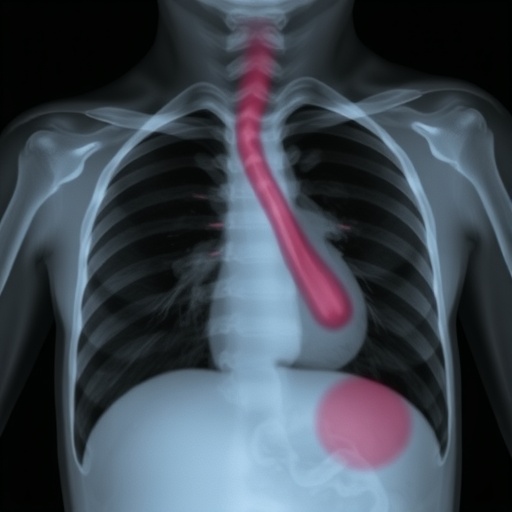
In a remarkable case documenting a rare confluence of anatomical abnormalities, researchers from Nepal have illustrated the profound implications of left pulmonary aplasia coupled with left pulmonary artery agenesis in a child. This case not only sheds light on an exceptionally unusual condition but also prompts a reevaluation of both diagnostic and therapeutic approaches towards congenital anomalies of the pulmonary system.
Pulmonary aplasia is an extremely rare condition characterized by the absence of a lung and its accompanying structures. In this particular case, the left lung was absent, with the left pulmonary artery also being undeveloped. The child, primarily studied in a medical facility in Nepal, exhibited significant clinical signs indicative of respiratory compromise, emphasizing the urgent need for early detection and intervention in similar scenarios.
The existence of congenital abnormalities such as these presents a unique set of challenges for medical practitioners. The left lung plays a critical role in respiratory function, and its absence can result in a cascade of physiological repercussions. Most notably, it compromises the ventilation-perfusion ratio, leading to hypoxia. The left pulmonary artery’s failure to develop further complicates the circulatory dynamics of the pulmonary system, thus intensifying the urgency of addressing such conditions promptly.
The child in the study manifested with distinct respiratory distress, which draws attention to the necessity for diligent monitoring and thorough clinical assessment in pediatric populations. Symptoms such as recurrent lung infections and failure to thrive are commonly observed in patients with pulmonary aplasia or agenesis. This case serves as a poignant reminder of the need for healthcare providers to maintain a high level of suspicion for congenital pulmonary anomalies, particularly in children presenting with non-specific respiratory symptoms.
Diagnostic imaging plays an instrumental role in affirming the diagnosis of pulmonary aplasia and agenesis. In this case, advanced imaging techniques such as high-resolution computed tomography (HRCT) allowed for a detailed assessment of the pulmonary architecture, substantiating the observations of anatomical anomalies. The use of such imaging modalities is crucial for forming an appropriate management plan that addresses both the immediate and long-term needs of affected children.
From a therapeutic perspective, the management of these conditions is multifaceted and requires a tailored approach. For this child, the medical team employed a combination of supportive care and interventions aimed at optimizing respiratory function. This may include the use of oxygen supplementation and mechanical ventilation if the respiratory distress escalates. The feasibility of surgical interventions, such as the placement of vascular grafts to reroute blood flow, may also be considered depending on the individual case’s specifics.
It is crucial to understand the broader implications of left pulmonary aplasia with left pulmonary artery agenesis. Understanding the underlying genetic and environmental factors that contribute to such anomalies may help in developing preventive strategies. The genetic counseling aspect of such cases cannot be overlooked, as these conditions sometimes occur in a sporadic fashion but may also have hereditary components.
Furthermore, this case from Nepal provides an opportunity for awareness and education regarding congenital lung diseases. As healthcare systems evolve, particularly in regions with limited access to advanced medical technologies, raising awareness of such rare pathologies becomes essential. The importance of targeted training for pediatricians and healthcare workers in recognizing and managing congenital lung diseases is imperative to improving outcomes for children.
In conclusion, the case of left pulmonary aplasia with left pulmonary artery agenesis highlights the complexities and challenges faced by medical professionals when dealing with congenital anomalies. It underscores the necessity for comprehensive diagnostic strategies, timely interventions, and ongoing research to enhance understanding and care for affected individuals. With every reported case, there lies an opportunity to enrich the medical community’s knowledge base and to refine treatment modalities for this rare but significant condition. Awareness must be fostered not only among healthcare professionals but also within the communities they serve.
This illuminating case opens a dialogue about congenital pulmonary anomalies that will resonate within the medical community, stimulating progressive practices and fostering investigations that might unravel more about these enigmatic conditions. Developers of healthcare policies should also take note, as the integration of advanced training and better resource allocation towards pediatric care could foster earlier recognition and better management protocols for these intricate cases moving forward.
As we gather insights from this case, it is clear that continued exploration into congenital lung conditions remains a critical field of study, one that will undoubtedly evolve with advancements in technology and medical understanding. By learning from each case, we can pave the way for innovative strategies that aim to improve health outcomes for all children affected by similar conditions.
Ghimire, S., Khadka, A., Acharya, S. et al. Left pulmonary aplasia with left pulmonary artery agenesis in a child: case report from Nepal.
BMC Pediatr (2026). https://doi.org/10.1186/s12887-025-06487-7
Cite Scienmag News
Ophelia Keating. (January 13, 2026). Child’s Left Pulmonary Aplasia and Artery Agenesis Case. Scienmag. https://scienmag.com/childs-left-pulmonary-aplasia-and-artery-agenesis-case/
Ophelia Keating. "Child’s Left Pulmonary Aplasia and Artery Agenesis Case." Scienmag, 13 January 2026, https://scienmag.com/childs-left-pulmonary-aplasia-and-artery-agenesis-case/. Accessed 4 September 2026.
Ophelia Keating. "Child’s Left Pulmonary Aplasia and Artery Agenesis Case." Scienmag. January 13, 2026. https://scienmag.com/childs-left-pulmonary-aplasia-and-artery-agenesis-case/


