


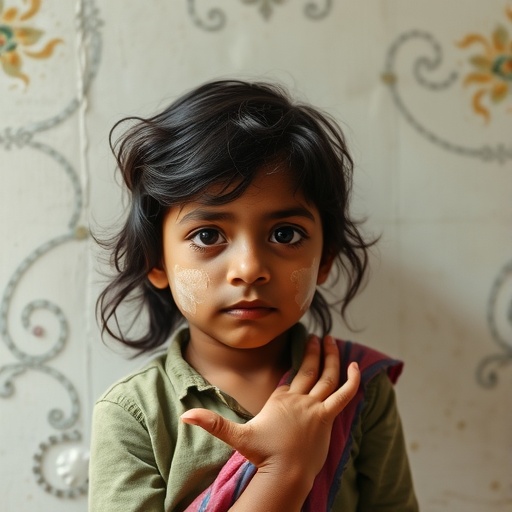
In a groundbreaking study published in the Journal of Child and Adolescent Trauma, researchers T. Rajeev and G. Jain delve into pressing societal issues by exploring the complex interplay of childhood maltreatment, self-esteem, and the phenomenon of silencing the self, particularly within the context of India. This research is vital not only for the understanding of psychological health but also for its implications on societal norms and cultural practices that influence the lives of children.
Childhood maltreatment is a pervasive issue that can take many forms, including physical abuse, emotional neglect, and sexual abuse. The authors of this research paper have meticulously outlined how such adverse experiences during formative years can significantly affect an individual’s psychological development. Their findings indicate that children who are subjected to maltreatment often carry the scars of these experiences into adulthood, severely impairing their self-esteem and emotional well-being. As they reflect on their self-worth, these individuals may grapple with feelings of worthlessness and inadequacy, which stem from their upbringing.
The study intricately links self-esteem to children’s experiences of maltreatment, highlighting the adverse outcomes that may arise when children internalize negative messages about themselves. The researchers argue that low self-esteem operates as a mediator, exacerbating the effects of childhood maltreatment. When these children attempt to navigate their social worlds, their diminished self-worth often leads them to avoid seeking help or support from others, reinforcing a cycle of silence and suffering. This ‘silencing of the self’ is a critical aspect of the research, illustrating how trauma leads individuals to conceal their pain rather than articulate it.
One particularly illuminating aspect of the study is the cultural context in which this research was conducted. India, with its diverse socio-cultural landscape, presents a unique setting where traditional values and modern views often collide. The stigma surrounding mental illness and emotional struggles makes it even harder for individuals to express their feelings openly. Consequently, many individuals who faced childhood maltreatment might never seek assistance, perpetually trapped in their internal struggles. The authors effectively argue that this cultural backdrop significantly influences the lived experiences of those affected by maltreatment, notably affecting their self-esteem.
Importantly, the research emphasizes the need for recognizing the signs of maltreatment and its long-term impacts. Childhood is a crucial period where self-esteem is shaped, and negative influences can lead to lasting damage. The authors stress that early identification and intervention are vital to mitigating these effects. Parents, educators, and mental health professionals must be aware of the subtle indicators of maltreatment, which often go overlooked, to help children develop healthier self-images and coping mechanisms.
The implications of the findings extend beyond individual well-being; they call into question broader societal attitudes toward psychological health. The study pushes for a cultural shift that encourages open discussion about mental health challenges. This shift is essential in dismantling the stigma that surrounds not only childhood maltreatment but also the self-esteem issues that stem from traumatic experiences. Encouraging open dialogue can lead to greater awareness and, ultimately, systemic changes that promote mental well-being.
Moreover, the research raises important questions about the educational systems and policies in place to support children. Schools play a critical role in shaping children’s self-esteem and emotional resilience. By integrating mental health education into the curriculum, educators can help children build a robust self-concept and provide them with tools to cope with adverse experiences. This proactive approach can foster resilience and empower students to seek help when needed.
In that light, the authors encourage researchers and practitioners alike to consider the holistic development of children. Mental health must be integrated within healthcare frameworks, as physical and emotional well-being are inextricably linked. By fostering environments that prioritize mental health, society can create platforms for healing and growth, ultimately breaking the cycle of silence and shame.
The research also opens doors for future studies to examine the long-term effects of childhood maltreatment beyond self-esteem, into areas such as interpersonal relationships, career success, and parenting roles. Understanding the trajectory of individuals who have experienced maltreatment can enhance therapeutic approaches and inform policies aimed at supporting these populations.
As the conversation continues around mental health, it becomes increasingly clear that the intersection of childhood experiences, cultural contexts, and self-perception cannot be ignored. The work of Rajeev and Jain lays a foundation for ongoing dialogue and research in this important field. Their study not only highlights an urgent public health issue but also serves as a clarion call for change in how society approaches childhood trauma.
The profound insights gained from this research bear the potential to drive meaningful change in both individual lives and the fabric of society. By prioritizing mental health and fostering open discussions, we can cultivate environments where children feel safe to express themselves and seek help. As such, this study is not only a significant contribution to the field of psychology but also a vital step towards societal healing and resilience.
In conclusion, the exploration of childhood maltreatment and its long-lasting impacts on self-esteem and self-expression shines a light on a critical part of the human experience. T. Rajeev and G. Jain’s work offers a vital perspective that demands attention in the realms of mental health, child development, and cross-cultural considerations. It challenges all of us to re-evaluate how we address these issues, encouraging a future where no child has to suffer in silence.
Rajeev, T., Jain, G. Exploring the Relationship Between Childhood Maltreatment, Self-Esteem, and Silencing the Self in India.
Journ Child Adol Trauma (2025). https://doi.org/10.1007/s40653-025-00719-9
Cite Scienmag News
Courtney Benton. (October 20, 2025). Childhood Trauma, Self-Esteem, and Silence in India. Scienmag. https://scienmag.com/childhood-trauma-self-esteem-and-silence-in-india/
Courtney Benton. "Childhood Trauma, Self-Esteem, and Silence in India." Scienmag, 20 October 2025, https://scienmag.com/childhood-trauma-self-esteem-and-silence-in-india/. Accessed 3 September 2026.
Courtney Benton. "Childhood Trauma, Self-Esteem, and Silence in India." Scienmag. October 20, 2025. https://scienmag.com/childhood-trauma-self-esteem-and-silence-in-india/


