


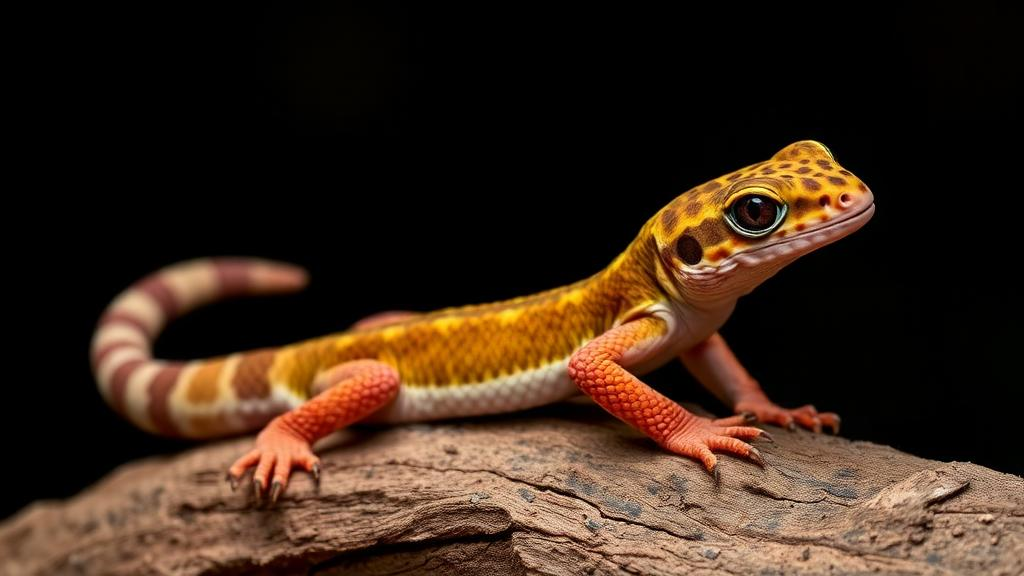
Deep in the arid basins of Xinjiang, a small nocturnal gecko called Teratoscincus roborowskii has quietly become one of the most informative models for understanding how captivity reshapes animal biology. A new study published in BMC Genomics by Huawei Feng, Yi Yang and colleagues at Xinjiang Agricultural University offers the most complete picture yet of what happens inside the bodies of these desert lizards when their wild, free-foraging lifestyle is replaced by a controlled diet in a terrarium. By combining 16S rRNA gene sequencing, untargeted metabolomics and classical physiological measurements, the team traced how the gut microbiome, metabolic chemistry and digestive machinery of the same species diverge between wild and captive conditions. The findings carry implications far beyond a single gecko species, touching on the central challenge of conservation breeding programs worldwide: how to keep captive animals physiologically authentic to their wild counterparts.
The researchers designed controlled feeding experiments in which wild-caught and captive lizards were compared under standardized conditions, with some captive animals maintained on different insect diets, including mealworms and mixed mealworm-cockroach rations. Fecal and physiological samples were then interrogated with two complementary high-throughput approaches. Sequencing of the 16S ribosomal RNA gene provided a census of the bacterial communities living in the gut, while metabolomic profiling mapped the small molecules circulating through the animals’ systems, revealing which biochemical pathways were actually active. Digestive enzyme assays and blood parameters completed the picture, connecting microbial and metabolic shifts to measurable differences in how the lizards process food and defend their tissues from oxidative damage.
The microbial census revealed a core gut community shared by all groups, dominated by three bacterial phyla that are also mainstays of vertebrate gut microbiomes generally: Firmicutes, Bacteroidetes and Proteobacteria. But the interesting biology emerged in the differences at the margins. Wild lizards carried enriched populations of Verrucomicrobia, a phylum often associated with the degradation of complex polysaccharides and the maintenance of gut barrier function. Captive animals fed mealworms, by contrast, showed increased abundances of Fusobacteria, a group whose expansion in captive and carnivore-adjacent diets has been noted in other reptile studies. These compositional shifts suggest that even within a shared core community, the specific ecological conditions of the gut, shaped by diet and environment, select for distinct microbial specialists.
Diversity metrics told a subtler story. Captivity significantly reduced the overall diversity of the gut microbiota, a pattern consistent with the idea that a monotonous captive diet and a simplified environment prune the microbial ecosystem down to a narrower set of taxa. Interestingly, when the authors examined alpha-diversity indices individually, captivity significantly affected the Chao1 index, which estimates species richness, but the other alpha-diversity measures did not differ significantly between groups. Community structure, however, was clearly altered, meaning that the identity and relative abundance of the microbes present shifted in ways that raw richness counts alone could not capture. This distinction between richness and composition matters for anyone designing captive husbandry protocols, because a gut can look statistically similar in one metric while hosting a functionally different microbial workforce.
Metabolomics added a functional layer to the microbial story. Wild lizards displayed higher overall metabolic activity, with significant enrichment of amino acid metabolism and linoleic acid metabolism pathways. Linoleic acid, an essential omega-6 fatty acid, sits at the hub of pathways governing membrane fluidity, inflammatory signaling and energy storage, so its enhanced processing in wild animals hints at a metabolic flexibility tuned to the variable, resource-poor desert diet. Amino acid metabolism, meanwhile, reflects the constant turnover of proteins that fuels tissue repair, immune function and nitrogen balance. In contrast, lizards fed a 1:1 mixture of mealworms and cockroaches showed altered lysine degradation, indicating that even carefully composed captive diets redirect the flow of nitrogen and carbon through the body in ways that differ from the wild state.
The physiological assays translated these molecular differences into concrete digestive and immune phenotypes. Wild lizards exhibited higher activities of alpha-amylase and cellulase, enzymes that break down starch and plant-derived structural carbohydrates respectively. Elevated cellulase activity in wild animals is particularly striking, because it implies that free-ranging geckos encounter and exploit plant material or gut contents of prey that captive diets simply do not provide. Captive lizards on a high-protein insect diet showed the opposite pattern: elevated trypsin activity, the key pancreatic protease, reflecting a digestive system recalibrated to a protein-rich, carbohydrate-poor menu. In effect, the gut of a captive gecko becomes a specialist in protein digestion, while its wild counterpart retains a broader enzymatic toolkit.
Blood-based measurements revealed divergences in immune status and oxidative stress management. Captive lizards had higher leukocyte counts, which can indicate heightened immune activation, whether in response to the stress of confinement, exposure to novel pathogens in the captive environment or inflammatory signals arising from an altered gut microbiome. Wild lizards, on the other hand, demonstrated higher antioxidant capacity, suggesting a more robust system for neutralizing the reactive oxygen species generated during intense activity, thermoregulation and foraging in a harsh desert environment. Taken together, these trends sketch two distinct physiological profiles: a captive animal with an activated but potentially less resilient immune-metabolic state, and a wild animal with a metabolism and antioxidant defense tuned to the demands of life in the Turpan Depression.
Why does this matter for conservation and animal welfare? Captive breeding and head-starting programs are increasingly central to protecting reptiles threatened by habitat loss, climate change and collection for the pet trade. Yet the ultimate goal of such programs is usually to produce animals capable of surviving in the wild. If captivity systematically erodes gut microbial diversity, redirects metabolic pathways and reshapes digestive enzyme profiles, then released animals may face a double burden: adapting to a new environment while simultaneously rebuilding an internal ecosystem that captivity has simplified. The authors frame their work as providing a theoretical basis for host health management under captive conditions, and the practical message is clear that diet composition and environmental complexity in captivity leave measurable molecular fingerprints that managers can now monitor.
The study also contributes to a growing scientific appreciation of reptile gut microbiomes as dynamic, diet-responsive ecosystems rather than fixed appendages of host biology. Desert lizards like T. roborowskii endure extreme thermal fluctuations, scarce and unpredictable food resources, and water stress, conditions that likely select for both flexible host physiology and a versatile microbial community. The enrichment of Verrucomicrobia in wild animals and the metabolic signatures of enhanced lipid and amino acid processing suggest that the wild gut is a biochemically busier place, processing a wider array of substrates. Captivity, by flattening dietary and environmental variation, appears to flatten this internal diversity as well.
Looking forward, the multi-omics framework deployed here, pairing microbial census data with metabolomics and enzyme physiology, offers a template that could be applied to other captive-wild comparisons across taxa, from amphibians to birds to mammals. The open-access publication, released in August 2026 with a permanent DOI, makes the full dataset available to researchers worldwide. For the geckos of Xinjiang’s deserts, the study is a reminder that adaptation is written not only in the genome of the host but in the trillions of microbes it carries, and that preserving a species means preserving the invisible ecosystem within it. For captive animal managers everywhere, it is a call to design husbandry that feeds not just the animal, but its microbiome.
Subject of Research: Effects of captivity on gut microbiota, metabolomics and physiology of the desert gecko Teratoscincus roborowskii
Article Title: Comprehensive evaluation of environmental adaptability in wild and captive Teratoscincus roborowskii: gut microbiota, metabolomic profiles, and physiology
Article References: Feng, H., Yang, Y., Wu, R., Wu, X., Huang, S., Zheng, Y., Yang, Q., & Ding, N. (2026). Comprehensive evaluation of environmental adaptability in wild and captive Teratoscincus roborowskii: gut microbiota, metabolomic profiles, and physiology. BMC Genomics. https://doi.org/10.1186/s12864-026-13316-3
Image Credits: AI Generated
DOI: 10.1186/s12864-026-13316-3
Keywords: Teratoscincus roborowskii, gut microbiota, metabolomics, 16S rRNA sequencing, captivity, digestive enzymes, desert lizard, antioxidant capacity, conservation breeding, animal physiology, BMC Genomics, Xinjiang
Cite Scienmag News
Daisy Hatcher. (October 5, 2026). Captive Life Rewrites the Gut Microbes and Metabolism of a Desert Gecko. Scienmag. https://scienmag.com/captive-life-rewrites-the-gut-microbes-and-metabolism-of-a-desert-gecko/
Daisy Hatcher. "Captive Life Rewrites the Gut Microbes and Metabolism of a Desert Gecko." Scienmag, 5 October 2026, https://scienmag.com/captive-life-rewrites-the-gut-microbes-and-metabolism-of-a-desert-gecko/. Accessed 5 October 2026.
Daisy Hatcher. "Captive Life Rewrites the Gut Microbes and Metabolism of a Desert Gecko." Scienmag. October 5, 2026. https://scienmag.com/captive-life-rewrites-the-gut-microbes-and-metabolism-of-a-desert-gecko/


