


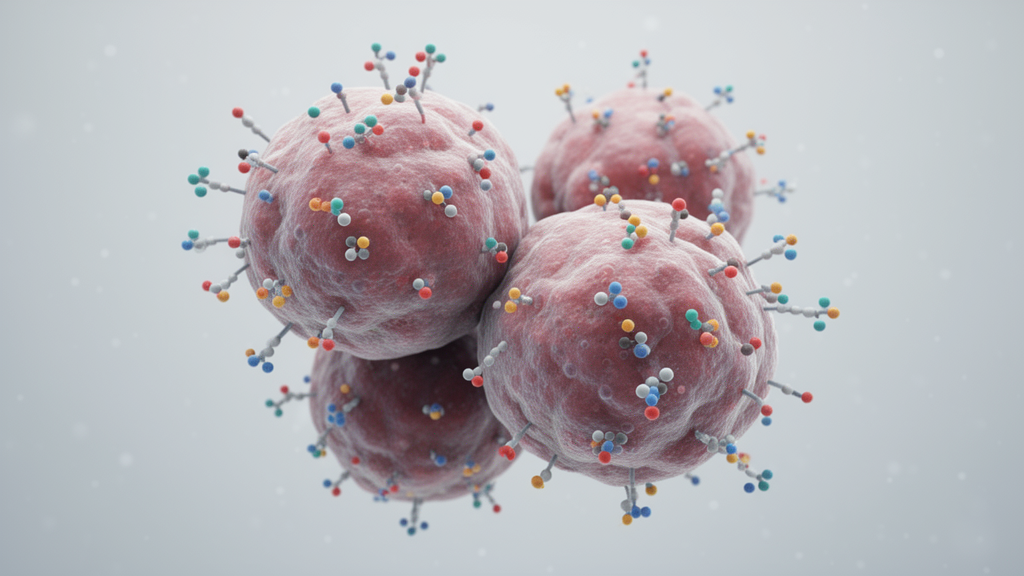
Scientists at Trinity College Dublin have identified a mechanism that allows tumour cells to survive chemotherapy and enter a zombie-like state that may help cancers recover from treatment. The research, published in Science Advances by the Smurfit Institute of Genetics, shows that molecules called Inhibitor of Apoptosis Proteins (IAPs) enable tumours to escape the cell-killing effects of commonly used chemotherapeutic drugs. The team was led by Professor Seamus Martin, Smurfit Professor of Medical Genetics, and Dr Gokhan Gunay, Post-doctoral Research Fellow.
The findings centre on how tumour cells respond to the DNA damage provoked by chemotherapy. Rather than dying, some surviving cells are protected because IAPs neutralise the cell-killing effects of molecules known as Death Receptors, which are switched on in response to chemotherapy-induced DNA damage. Instead of simply allowing tumours to avoid death, the IAPs steer the surviving cells into a highly unusual condition called premature senescence, which the researchers describe as a zombie-like state. In this state, the cells stop dividing but remain metabolically active and take on a new role: they become coordinators of wound healing that can orchestrate a beneficial immune response and help tumours bounce back from chemotherapy.
The connection to wound healing is significant because the immune system does more than fight infection. It also coordinates the repair and replacement of damaged tissue, stimulating cell division within injured areas to replace lost cells and triggering the growth of new blood vessels that bring extra nutrients and oxygen into the tissue. Cancers can exploit these repair capabilities for their own ends by masquerading as damaged tissue, tricking the immune system into helping malignant cells divide and acquire extra oxygen and nutrients rather than killing them. For these reasons, cancers have been described as wounds that do not heal, although how they switch on the wound-healing side of immunity has remained poorly understood.
The Dublin team found that senescent cells formed in response to chemotherapy undergo dramatic changes within a few days of exposure. They become almost ten times bigger than a normal cell and ramp up genes associated with wound healing, endowing them with a greatly increased ability to secrete inflammatory mediators that attract cells of the immune system. The accumulation of senescent cells in tissues during aging is also thought to contribute to the inflammatory processes associated with aging and to a decline in the normal function of many tissues, underscoring how potent these cells are as drivers of inflammation.
A second discovery points toward a possible weakness in this survival strategy. The Trinity scientists found that senescent cells formed in response to chemotherapy are highly dependent on IAPs for their continued survival. Compounds that neutralise IAPs, called IAP antagonists, selectively eliminated senescent cells by reactivating the Death Receptor self-destruct programme within them. In other words, the very proteins that shield tumour cells from chemotherapy and shepherd them into senescence become an Achilles heel once the cells have entered the zombie-like state, because removing that protection unleashes the dormant killing machinery still present inside them.
Professor Martin said the problem of how tumours evade the cell-killing effects of chemotherapy and enter senescence is an important and challenging one. These new findings, he noted, suggest ways in which researchers may be able to lower the defenses of tumours by neutralising IAPs after the delivery of chemotherapeutic drugs, which should block their entry to senescence and kill more cells of the tumour. Tumours that evade chemotherapy remain a major challenge for clinicians treating patients living with cancer, and improved treatment options that neutralise more of these tumours promise to improve quality of life and survival rates. To deliver such options, scientists need to understand how tumours function and where their weaknesses may lie.
The research isolates a new mechanism explaining how some tumours evade death and recruit the body’s immune system to aid their recovery, while also pinpointing IAP antagonists as promising drug treatments that killed senescent tumour cells in the study. By linking chemotherapy resistance, premature senescence and the wound-healing activities of the immune system within a single framework, the work offers a technical explanation for why some cancers appear to recover after treatment and identifies a specific molecular target that could be exploited to prevent that recovery.
Subject of Research: How IAPs help cancer cells evade chemotherapy through premature senescence
Article Title: Scientists discover how cancers evade chemotherapy by entering 'Zombie-like state'
Article References: Scientists discover how cancers evade chemotherapy by entering 'Zombie-like state'. Original publication (Bibliographic details unavailable.)
Image Credits: AI Generated
DOI: Not provided
Keywords: cancer, chemotherapy, senescence, IAPs, death receptors, wound healing, immune system, Trinity College Dublin, Science Advances, IAP antagonists, Scientists, discover
Cite Scienmag News
Nathaniel Bowman. (October 24, 2026). Cancer cells evade chemotherapy by entering zombie-like senescent state. Scienmag. https://scienmag.com/cancer-cells-evade-chemotherapy-by-entering-zombie-like-senescent-state/
Nathaniel Bowman. "Cancer cells evade chemotherapy by entering zombie-like senescent state." Scienmag, 24 October 2026, https://scienmag.com/cancer-cells-evade-chemotherapy-by-entering-zombie-like-senescent-state/. Accessed 24 October 2026.
Nathaniel Bowman. "Cancer cells evade chemotherapy by entering zombie-like senescent state." Scienmag. October 24, 2026. https://scienmag.com/cancer-cells-evade-chemotherapy-by-entering-zombie-like-senescent-state/


