


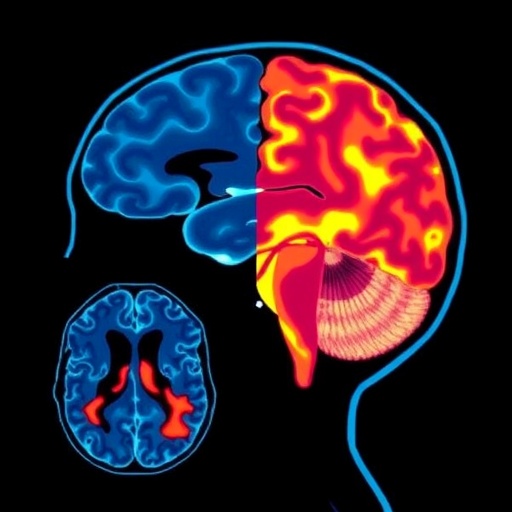
In a groundbreaking study that bridges the divide between animal models and human brain imaging, an international team of scientists has unveiled compelling evidence for the existence of at least two distinct subtypes of autism spectrum disorder (ASD), characterized by unique patterns of brain connectivity. This pioneering investigation, spearheaded by Alessandro Gozzi, PhD, director of the Center for Neuroscience and Cognitive Systems at the Italian Institute of Technology (IIT) in Rovereto, and Adriana Di Martino, MD, founding director of the Autism Center at the Child Mind Institute in New York, ushers in a new era in precision medicine for autism. Their findings, published in the prestigious journal Nature Neuroscience, highlight divergent biological mechanisms manifesting as contrasting connectivity profiles within the autistic brain.
Historically, autism has been recognized for its heterogeneity, with individuals displaying a broad spectrum of behavioral symptoms and neurodevelopmental trajectories. Yet the precise neurobiological underpinnings of these variations have remained elusive. This study transcends behavioral categorizations by employing functional magnetic resonance imaging (fMRI) to delineate two reproducible connectivity-based phenotypes: one exhibiting pronounced “hyperconnectivity,” marked by elevated communication between brain regions, and the other demonstrating “hypoconnectivity,” characterized by diminished interaction. Each subtype corresponds to separate, identifiable molecular pathways, providing a biological framework for understanding autism’s complexity.
Central to this advance is the innovative cross-species methodology adopted by the research team. Leveraging 20 distinct genetically engineered mouse models of autism, the investigators undertook a comprehensive analysis of functional connectivity patterns and correlated these with gene expression and biochemical alterations. These animal data acted as a molecular “Rosetta Stone,” illuminating how synaptic and immune-related dysfunctions translate into specific brain network disruptions observable via fMRI. Subsequently, the team translated these murine connectivity signatures into the human context, analyzing resting-state fMRI datasets from 940 individuals diagnosed with autism alongside over 1,000 neurotypical controls.
The resultant findings were striking. Approximately one quarter of the human autism cohort could be stratified into two biologically anchored subgroups mirroring the mouse model connectivity profiles. The hypoconnectivity subtype linked strongly with synaptic gene expression profiles, implicating deficits in neuronal communication and synaptic plasticity pathways. Conversely, the hyperconnectivity group correlated with immune-related gene enrichment, suggesting neuroimmune interactions and possible neuroinflammatory processes as central drivers. Notably, these subtypes were robustly reproducible across independent datasets collated by the Autism Brain Imaging Data Exchange (ABIDE) and the Child Mind Institute, underscoring the validity of the brain connectivity classifications.
This refined understanding reframes autism not as a single monolithic disorder but as a constellation of pathophysiological processes each associated with distinct neural circuit dysfunctions. Dr. Gozzi emphasizes that this distinction has eluded the field for decades due to the lack of integrated multimodal analysis linking molecular biology directly to brain imaging phenotypes. By bridging genetic, cellular, and systems neuroscience approaches, the current study paves the way for biomarker-driven stratification, facilitating tailored therapeutic strategies that target subtype-specific mechanisms.
From a clinical perspective, the identified subtypes exhibit subtle but meaningful divergences in functional brain organization and autism severity scores. Individuals within the hyperconnected subtype tended to score higher on standardized autism severity assessments, potentially reflecting differences in symptom profiles that are not fully captured by behavioral metrics alone. This accentuates the limitations inherent in current diagnostic frameworks and underscores the potential of neurobiological markers to enhance diagnostic precision and outcome prediction.
The methodology driving these discoveries combined state-of-the-art neuroimaging techniques with transcriptomic analyses, enabling a multilevel, integrative view of autism neurobiology. Functional neuroimaging data were meticulously analyzed to derive connectivity matrices reflecting the strength and patterning of interregional brain communication networks. Parallel gene expression analyses, derived from both mouse tissue and human brain samples, elucidated the molecular pathways associated with distinct connectivity signatures. This cross-disciplinary nexus of computational neuroscience, genetics, and immunology represents a powerful paradigm for decoding the complexities of neurodevelopmental disorders.
Nevertheless, the researchers caution that while these two subtypes represent dominant patterns within the examined cohorts, the autism spectrum likely encompasses additional variants awaiting discovery. The study calls for ongoing efforts to aggregate larger, more diverse datasets and apply refined analytic models to capture the full gamut of autism’s neural heterogeneity. Expanding these efforts could ultimately yield a comprehensive taxonomy grounded firmly in biology, accelerating the development of more effective, personalized interventions.
Funding for this research was provided by a consortium of prestigious institutions, including the European Research Council, the Simons Foundation Autism Research Initiative, the Brain and Behavior Foundation, Fondazione Telethon, and the US National Institute of Mental Health. The successful collaboration between high-caliber institutions across continents epitomizes the global commitment to unraveling autism’s mysteries through cutting-edge science.
The implications of this study reverberate well beyond the immediate autism research community. By elucidating how distinct genetic and immune pathways sculpt brain connectivity patterns, it contributes to an enriched understanding of neurodevelopmental dynamics more broadly. Moreover, the innovative cross-species translational framework employed sets a new standard for the integration of animal modeling and human neuroimaging, a strategy that could be applied to a wide spectrum of neurological and psychiatric disorders exhibiting complex etiologies.
In conclusion, this landmark investigation delineates discrete neurobiological subtypes of autism based on brain network connectivity and their molecular correlates. The clear identification of hypoconnectivity linked to synaptic dysfunction and hyperconnectivity tied to immune mechanisms provides a crucial conceptual leap towards personalized autism care. As neuroimaging technology and multi-omics approaches continue to evolve, such insights will be pivotal in transforming diagnosis, prognostication, and therapeutic targeting, ultimately enhancing quality of life for individuals on the autism spectrum and their families.
News Publication Date: 29-May-2026
Web References:
https://doi.org/10.1038/s41593-026-02287-z
Italian Institute of Technology (IIT)
Child Mind Institute
References:
Gozzi, A., Di Martino, A., et al. (2026). Autism subtypes identified using cross-species functional connectivity analyses. Nature Neuroscience. DOI: 10.1038/s41593-026-02287-z
Cite Scienmag News
Cassandra Pierce. (May 29, 2026). Brain Scans Uncover Two Biologically Distinct Subtypes of Autism. Scienmag. https://scienmag.com/brain-scans-uncover-two-biologically-distinct-subtypes-of-autism/
Cassandra Pierce. "Brain Scans Uncover Two Biologically Distinct Subtypes of Autism." Scienmag, 29 May 2026, https://scienmag.com/brain-scans-uncover-two-biologically-distinct-subtypes-of-autism/. Accessed 4 September 2026.
Cassandra Pierce. "Brain Scans Uncover Two Biologically Distinct Subtypes of Autism." Scienmag. May 29, 2026. https://scienmag.com/brain-scans-uncover-two-biologically-distinct-subtypes-of-autism/


