


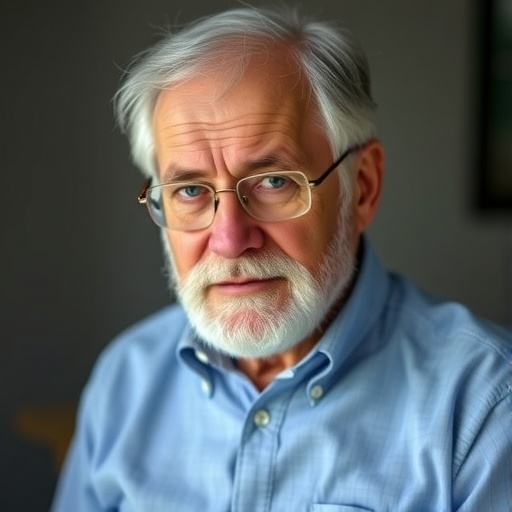
Cancer-related fatigue can linger long after treatment ends, but the biological mechanisms behind that weariness remain difficult to pinpoint—especially in older men. In a new study published in Translational Psychiatry, researchers investigated how measurable biological factors relate to fatigue in older male cancer survivors, aiming to move beyond symptom descriptions toward identifiable physiological correlates. The work focuses on what might be driving persistent tiredness, rather than treating fatigue as a purely psychological aftereffect.
To explore these links, the team assessed fatigue severity alongside biological markers that can reflect immune activation, metabolic stress, and systemic inflammation. Such processes are often implicated in long-term outcomes after cancer, where recovery may involve chronic, low-grade biological disruption. By examining these factors together, the researchers sought patterns that could explain why some survivors experience more profound fatigue than others.
A key element of the study is its emphasis on correlating fatigue with biological readouts rather than relying solely on self-report. That strategy can help clarify whether fatigue corresponds to measurable changes in the body, potentially improving how clinicians identify at-risk patients. The analysis was designed to detect associations between fatigue and marker profiles, while considering relevant clinical context.
The findings suggest that fatigue is not just “in the head,” but may align with biological systems that stay altered after cancer. In practical terms, such correlates could support the development of screening approaches that flag fatigue risk using biomarker signatures. That, in turn, could guide targeted interventions and help prevent fatigue from becoming a long-term barrier to recovery.
From a technical standpoint, studies like this typically require careful normalization of biological measurements and statistical handling of multiple variables to avoid spurious associations. The goal is to distinguish fatigue-linked signals from background variation across individuals and cancer histories. While correlational by nature, the evidence can still sharpen hypotheses about underlying pathways.
Importantly, the research centers on older male survivors, a group that may face distinct biological aging effects alongside cancer survivorship. Understanding fatigue in this demographic is critical because age-related immune and metabolic changes could interact with treatment-related effects to shape persistent symptoms.
If confirmed and extended in larger cohorts, these biomarker associations could influence future clinical trials. They may also help stratify patients for fatigue-focused therapies, including anti-inflammatory strategies, metabolic support, or behavioral interventions tailored to biology.
Overall, the study provides a new biological angle on cancer-related fatigue, reinforcing a growing view in science news: survivorship symptoms can reflect measurable physiological states. With the DOI below, readers can access the original publication for full methodological details and results.
Cite Scienmag News
Nathaniel Bowman. (July 17, 2026). Biological Markers of Cancer-Related Fatigue Found in Older Male Survivors. Scienmag. https://scienmag.com/biological-markers-of-cancer-related-fatigue-found-in-older-male-survivors/
Nathaniel Bowman. "Biological Markers of Cancer-Related Fatigue Found in Older Male Survivors." Scienmag, 17 July 2026, https://scienmag.com/biological-markers-of-cancer-related-fatigue-found-in-older-male-survivors/. Accessed 3 September 2026.
Nathaniel Bowman. "Biological Markers of Cancer-Related Fatigue Found in Older Male Survivors." Scienmag. July 17, 2026. https://scienmag.com/biological-markers-of-cancer-related-fatigue-found-in-older-male-survivors/


