


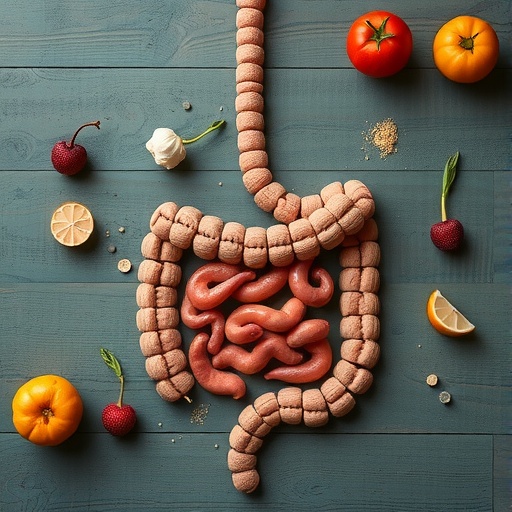
Mental health disorders affect approximately one in seven individuals worldwide, posing a significant challenge to global health systems. Despite the availability of various treatments, a substantial proportion of people do not have access to effective mental health care. This substantial gap in treatment efficacy and accessibility underscores the urgent need to explore novel avenues for understanding and addressing mental health conditions.
Emerging research from the University of South Australia has turned scientific attention to the intricate relationship between the gut and the brain. This interdisciplinary approach seeks to unravel how the gut microbiome—the complex community of trillions of microorganisms residing in our digestive tract—may directly influence brain chemistry and thereby mental wellbeing. By systematically reviewing existing literature, researchers aim to clarify the gut microbiome’s role, moving beyond mere association to identify potential causative effects on mental health disorders.
Recent scientific investigations reveal compelling causal evidence demonstrating that alterations in gut microbes can modulate brain chemistry, stress responses, and behavior, as observed in various animal models. These findings highlight that the microbiome is not only a passive inhabitant but an active participant in neurochemical signaling pathways. This communication occurs via multiple mechanisms, including the vagus nerve, immune modulation, and metabolic pathways, which collectively influence neurological function and psychological states.
In individuals diagnosed with depression and schizophrenia, distinct disruptions in gut microbial patterns have been documented. These dysbiotic states may contribute to the pathophysiology of such psychiatric disorders, suggesting that gut microbiota composition and diversity hold promise as biomarker candidates for mental health diagnostics. However, whether these microbial changes are a cause or consequence of mental illness remains a pivotal question driving current research efforts.
Encouraging early-phase clinical trials investigating probiotics, dietary interventions, and fecal microbiota transplantation have shown promise in ameliorating symptoms of mood disorders and anxiety. Such interventions aim to restore microbial balance, thereby influencing neurochemical pathways related to emotional regulation and cognitive function. This burgeoning therapeutic area—psychobiotics—offers potential as an adjunct or alternative to existing pharmacological treatments, particularly for patients who do not respond to conventional therapies.
Intriguingly, psychiatric medications themselves have been found to alter the gut microbiome, providing further evidence of the bidirectional connection between the brain and gut. These interactions suggest that medications’ efficacy and side effect profiles might be modulated through microbiome dynamics, opening new horizons for personalized mental health treatment plans based on individual microbial profiles.
Lead author Srinivas Kamath advocates for deepening the exploration of the gut–brain axis as a transformative frontier in mental health research. The concept posits that the trillions of microorganisms within our digestive tracts engage in a complex dialogue with neural systems, influencing mood, stress responses, and cognition through biochemical and neural routes. Yet, this communication’s precise causal mechanisms are still under active investigation to determine their direct impact on the onset and progression of mental illnesses.
Globally, mental health disorders such as depression and anxiety rank among the leading causes of disability, affecting nearly 970 million people. Alarmingly, up to one-third of patients with depression show resistance to existing pharmacological treatments, exemplifying the urgent need for innovative, accessible, and culturally adaptable therapies that can complement and enhance current mental health care paradigms.
Lifestyle factors—diet, stress, and the surrounding environment—emerge as crucial modulators of both gut microbiota composition and mental wellbeing. Dr. Paul Joyce emphasizes that establishing a causal link between gut bacteria and mental health could revolutionize approaches to diagnosis, treatment, and prevention. Microbiome-based therapies, including probiotics, prebiotics, and personalized nutrition, hold promise as safer, cost-effective, and scalable solutions to global mental health challenges.
To build upon preliminary findings, researchers advocate for comprehensive longitudinal studies tracking gut microbiome changes over time. Expanding demographic diversity and sample sizes in such research will enhance understanding of how diet, culture, and environment influence the gut-brain relationship across varied populations. This approach aims to identify precise microbial signatures linked to mental health states, thereby informing targeted therapeutic development.
Future clinical trials are urged to transcend small-scale, short-term designs by rigorously testing the durability and effectiveness of microbiome-based treatments, particularly when combined with standard psychiatric interventions. Ensuring long-term benefit and safety is vital to integrating these novel therapies into mainstream mental health care and realizing their full therapeutic potential.
Unlocking the gut’s integral role in mental health underscores a paradigm shift recognizing mental illness as a holistic, systemic condition rather than a brain-exclusive disorder. This comprehensive perspective opens avenues for integrative care strategies that address the whole person, incorporating microbial health as a foundational element in mental wellbeing.
As research continues to elucidate the multidimensional interplay between the gut microbiota and mental health, the prospect of innovative, microbiome-informed therapies offers hope for millions worldwide. By advancing scientific understanding, such approaches may soon provide clinicians and patients with new, practical tools to manage and prevent mental health disorders effectively.
Cite Scienmag News
Glenn Wilkins. (October 10, 2025). Beyond a Feeling: Exploring How a Healthier Gut May Boost Mental Health. Scienmag. https://scienmag.com/beyond-a-feeling-exploring-how-a-healthier-gut-may-boost-mental-health/
Glenn Wilkins. "Beyond a Feeling: Exploring How a Healthier Gut May Boost Mental Health." Scienmag, 10 October 2025, https://scienmag.com/beyond-a-feeling-exploring-how-a-healthier-gut-may-boost-mental-health/. Accessed 4 September 2026.
Glenn Wilkins. "Beyond a Feeling: Exploring How a Healthier Gut May Boost Mental Health." Scienmag. October 10, 2025. https://scienmag.com/beyond-a-feeling-exploring-how-a-healthier-gut-may-boost-mental-health/


