


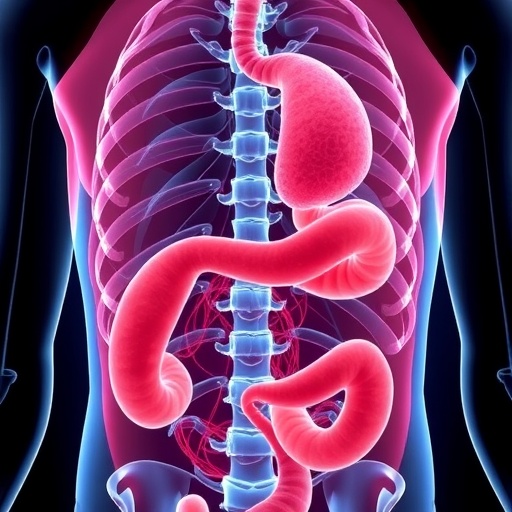
Autoimmune gastritis (AIG), once considered a niche gastrointestinal disorder largely confined to rare cases of pernicious anemia, has undergone a profound reevaluation in recent decades. Emerging from obscurity, AIG is now identified as a widespread, complex immune-mediated condition fundamentally disrupting the function of the stomach’s oxyntic mucosa. This affliction leads to a cascade of pathological changes culminating in progressive gastric atrophy and multifaceted nutritional deficiencies, notably vitamin B12 and iron malabsorption. The expanding clinical and scientific understanding of AIG reveals an intricate interplay of autoimmune mechanisms, microbial influences, and a spectrum of clinical behaviors that challenge the once simplistic definitions of the disease.
At its pathophysiological core, AIG targets the oxyntic mucosa, the acid-secreting lining of the stomach rich in parietal cells. The autoimmune assault leads to chronic inflammation and destruction of these cells, resulting in hypochlorhydria or achlorhydria, elevated gastrin levels, and a gradual depletion of intrinsic factor. These biochemical disruptions trigger downstream effects on micronutrient absorption, particularly leading to pernicious anemia through vitamin B12 deficiency and iron deficiency anemia due to impaired dietary iron processing. The profound depletion of these nutrients manifests not only in hematologic derangements but also in neurological, gastrointestinal, and even gynecological symptomatology, expanding the clinical spectrum beyond the confines of traditional gastroenterology.
Initially, the geographic and epidemiologic scope of AIG appeared limited, with most cases reported in Western populations and closely linked to pernicious anemia diagnoses. However, advances in diagnostic modalities, serologic profiling, and epidemiological surveillance have recast AIG as a global health condition, albeit one that remains underdiagnosed. Diverse phenotypic presentations range from asymptomatic histological findings discovered incidentally during endoscopic procedures to overt cases presenting with multifactorial anemia and systemic manifestations. The clinical spectrum is broad, and this heterogeneity complicates straightforward diagnostic and therapeutic approaches, necessitating nuanced clinical vigilance.
One of the most debated aspects of AIG pathogenesis concerns the role of Helicobacter pylori, a bacterial pathogen long implicated in chronic gastritis and gastric carcinogenesis. While historically considered distinct entities, recent data challenge this dogma, revealing that H. pylori infection may contribute to AIG either as a triggering factor in genetically predisposed individuals or by shaping the gastric mucosal immune milieu, consequently fostering autoimmunity. Alternatively, AIG can develop through mechanisms entirely unrelated to H. pylori, suggesting that this pathogen’s involvement may represent one of several pathogenic pathways leading to autoimmune mucosal damage. This dualism in potential etiologies adds a layer of complexity to diagnosis, prevention, and eradication strategies.
From a clinical management standpoint, the evolving understanding of AIG necessitates reassessment of screening, diagnosis, and monitoring paradigms. Serological markers such as anti-parietal cell antibodies and intrinsic factor antibodies have served as diagnostic cornerstones, but novel biomarkers are under exploration to identify early or seronegative cases. The concepts of ‘potential AIG’ and ‘seronegative AIG’ have recently surfaced, acknowledging subclinical or antibody-negative patients who nonetheless exhibit histological and clinical features consistent with AIG. Recognition of these entities demands sophisticated diagnostic criteria and may pave the way for preemptive interventions.
Gastric atrophy arising from AIG is a silent but relentless process with profound implications for gastric mucosal integrity and cancer risk. Historically underestimated, the risk of gastric adenocarcinoma in AIG patients is now better quantified, with longitudinal cohort studies elucidating the natural history of mucosal transformation and malignant progression. Chronic atrophic changes create a gastric microenvironment conducive to neoplastic transformation, with intestinal metaplasia and dysplasia as intermediate stages. This carcinogenic cascade underscores the imperative for regular endoscopic surveillance and tailored patient management to mitigate cancer outcomes.
Beyond oncologic risks, AIG’s impact on nutritional status invites a holistic clinical approach. Vitamin B12 deficiency leads to subacute combined degeneration of the spinal cord, cognitive disturbances, and peripheral neuropathies, often preceding the gastroenterology-based diagnosis. Iron deficiency complicates the hematological profile with microcytic anemias and contributes to general fatigue and reduced quality of life. Furthermore, subtle gynecological manifestations in women, including menstrual irregularities and infertility linked to micronutrient deficiencies, emphasize the systemic footprint of AIG and the necessity for multidisciplinary care models.
The immune landscape of AIG involves a sophisticated interplay of autoreactive lymphocytes, cytokine milieu alterations, and genetic susceptibility markers. Effector T cells directed against parietal cell antigens highlight the adaptive immune component, with emerging evidence pointing to the role of regulatory T cell dysfunction and checkpoint pathways in disease perpetuation. Insights into HLA haplotypes associated with increased risk are gradually being integrated into risk stratification frameworks, potentially enabling precision medicine approaches in the future.
Current therapeutic strategies focus on symptomatic management and correction of nutritional deficiencies while addressing underlying autoimmune activity remains elusive. Vitamin B12 supplementation, iron replacement, and careful endoscopic monitoring form the clinical backbone of care. However, considerations about immunomodulatory therapies are gaining traction as knowledge deepens about the molecular underpinnings of the autoimmune response and the feasibility of halting or reversing mucosal injury before irreversible atrophy sets in.
Innovative diagnostic approaches increasingly utilize advanced endoscopic imaging techniques, including narrow-band imaging and confocal laser endomicroscopy, to detect subtle mucosal changes indicative of early AIG. These technologies complement traditional histopathological evaluation, allowing for more precise disease characterization and enabling stratified patient surveillance. The integration of artificial intelligence-based image analysis promises to further revolutionize the identification and monitoring of AIG in clinical practice.
Large population-based studies and multidisciplinary consortia have accelerated the accumulation of epidemiological and clinical data, enabling a more granular understanding of disease prevalence, natural history, and response to interventions. The identification of distinct AIG subtypes, including ‘potential’ and ‘seronegative’ variants, challenges clinicians to refine diagnostic algorithms and tailor surveillance and therapeutic regimens accordingly. This progress, however, also highlights substantial gaps in our knowledge concerning long-term outcomes and optimal management strategies.
Research into the role of the gastric microbiome beyond Helicobacter pylori is unveiling complex microbial ecosystems within the stomach that may influence autoimmune responses. Dysbiosis, alterations in microbial diversity, and specific bacterial taxa are under investigation as potential modulators of immune activation and mucosal integrity. These insights could open novel avenues for therapeutic manipulation through probiotics, antibiotics, or microbial transplantation, representing a paradigm shift in AIG treatment possibilities.
Educational outreach and clinical awareness campaigns are crucial to improving early diagnosis and preventing complications associated with delayed or missed AIG recognition. Given the often subtle and multisystemic presentation, frontline clinicians, including primary care providers and specialists across neurology and hematology, require updated knowledge and diagnostic algorithms. Enhanced cross-specialty collaboration and guideline development are essential components in translating emerging scientific insights into everyday clinical practice.
In conclusion, autoimmune gastritis has matured from a narrowly defined clinical curiosity to a globally relevant, multifaceted disorder with significant implications for gastrointestinal health, nutritional status, and gastric malignancy risk. The unifying advances of the past two decades underscore an evolving understanding that integrates immunology, microbiology, gastroenterology, and oncology. As research progresses, the promise of precision diagnosis and targeted therapies for AIG draws nearer, heralding a future where the burden of this ancient yet newly appreciated condition can be substantially diminished.
Cite Scienmag News
Nathaniel Bowman. (April 13, 2026). Autoimmune Gastritis: New Insights and Treatments. Scienmag. https://scienmag.com/autoimmune-gastritis-new-insights-and-treatments/
Nathaniel Bowman. "Autoimmune Gastritis: New Insights and Treatments." Scienmag, 13 April 2026, https://scienmag.com/autoimmune-gastritis-new-insights-and-treatments/. Accessed 4 September 2026.
Nathaniel Bowman. "Autoimmune Gastritis: New Insights and Treatments." Scienmag. April 13, 2026. https://scienmag.com/autoimmune-gastritis-new-insights-and-treatments/


