

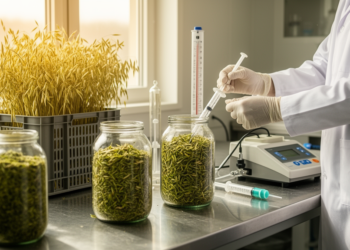
Lactic Acid Bacteria Choice and Temperature Shape Greenhouse Gas Emissions from Oat Silage
A new study finds that the type of lactic acid bacteria inoculant and ambient temperature jointly determine fermentation quality, aerobic...

A new study finds that the type of lactic acid bacteria inoculant and ambient temperature jointly determine fermentation quality, aerobic...
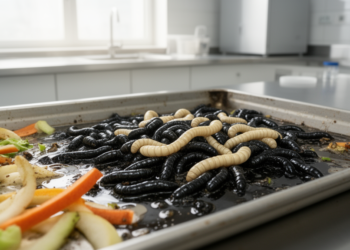
A controlled study found black soldier fly larvae reared on kitchen waste grew fastest and emitted the least ammonia, while...
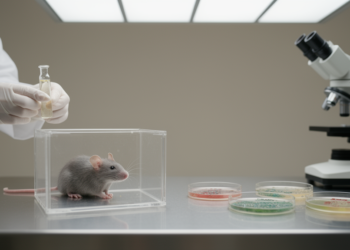
A Limosilactobacillus reuteri strain isolated from Hu lambs ameliorated DSS-induced colitis in mice when given prophylactically, by modulating gut microbiota,...

A new review details how microbial exopolysaccharides boost microbial fuel cell power output, bind heavy metals, and enable green nanomaterials,...
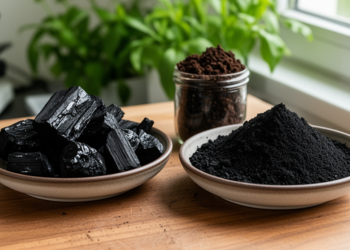
A 30-day incubation study found that biochars made above 500 degrees Celsius affected soil CO2 emissions and bacterial communities much...
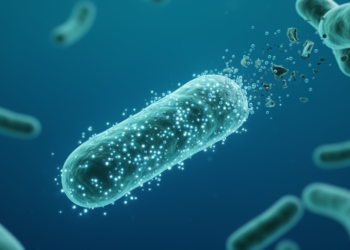
Researchers purified a heat-stable, proteinaceous antibacterial compound called PAM3-2 from a marine-derived Acinetobacter pittii strain, finding the strongest activity against...
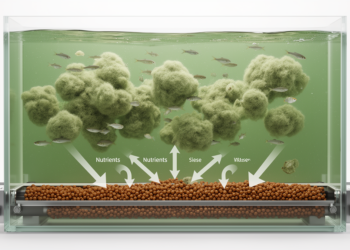
A new review finds biofloc technology converts nitrogenous waste into microbial protein while improving fish growth, immunity and disease resistance.
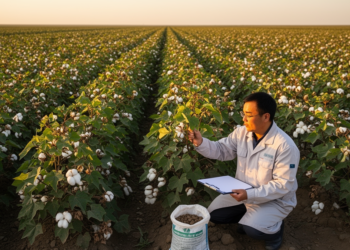
A one-year Xinjiang field trial found that organic fertilizer combined with a composite microbial inoculant raised cotton photosynthesis and seed...
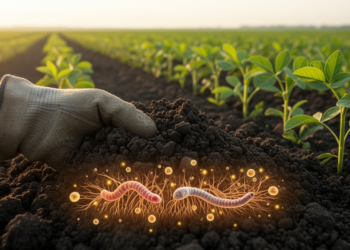
A controlled-environment study found that successive plantings of susceptible soybean in nematode-infested soil restructured rhizosphere, root and cyst microbiomes and...
A controlled silage experiment found that adding cellulase to Krascheninnikovia arborescens lowered fiber, pH and ammonia nitrogen while raising lactic...


Embark on a thrilling journey of discovery with Scienmag.com—your ultimate source for cutting-edge breakthroughs. Immerse yourself in a world where curiosity knows no limits and tomorrow’s possibilities become today’s reality!