


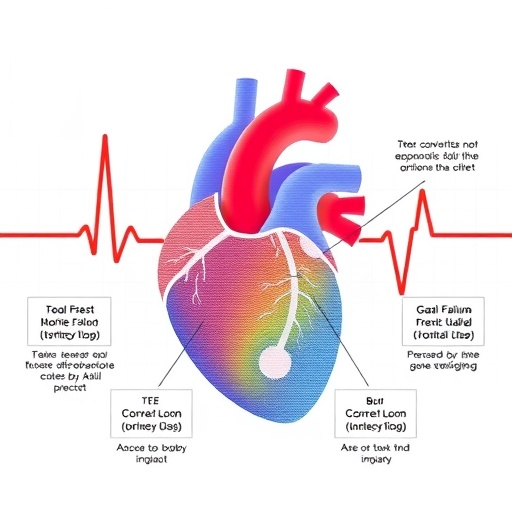
Atrial failure is an emerging and increasingly recognized clinical syndrome that is fundamentally linked to the concept of atrial cardiomyopathy. This syndrome arises when structural, functional, or electrophysiological abnormalities within the atrial tissue manifest in a way that compromises atrial haemodynamics or electrical function sufficiently to cause clinical symptoms or worsen patient outcomes. Much like ventricular cardiomyopathies, which have been well-studied in cardiac pathology, atrial cardiomyopathy describes a disease of the atrial myocardium itself, whereas atrial failure represents the clinical stage where these abnormalities lead to discernible cardiac dysfunction and associated morbidity.
The distinction between atrial cardiomyopathy and atrial failure is crucial in advancing our understanding of how atrial diseases progress and manifest. Atrial cardiomyopathy can remain clinically silent at early stages, detectable mainly through advanced imaging and electrophysiological assessment. It is only when the atrium fails to maintain its physiological roles—such as modulating ventricular filling through the atrial kick, supporting cardiac output, and maintaining electrical stability—that atrial failure becomes evident. This failure can be either primary, emerging directly from intrinsic atrial tissue disease, or secondary, developing as a consequence of external stresses such as left ventricular dysfunction, valvular heart disease, or systemic conditions that impose pressure or volume overloads on the atrium.
Primary atrial failure implicates an inherent pathology within the atrial myocardium. This might involve fibrosis, myocyte disarray, inflammatory infiltration, or molecular alterations that influence atrial contractility and electrophysiological integrity. Conversely, secondary atrial failure reflects the atrium’s response to pathophysiological stimuli outside of the atrium itself. Chronic pressure or volume overload in left heart diseases, persistently elevated atrial pressures, or continuous arrhythmogenic stimuli may induce remodelling and functional impairment. This secondary insult ultimately culminates in loss of atrial compliance and electromechanical dysfunction, further exacerbating the cardiac condition.
Recent research firmly positions atrial failure not just as a coincidental bystander in the landscape of heart disease but as a pivotal determinant of clinical trajectory and patient outcomes. In heart failure with preserved ejection fraction (HFpEF), for instance, where traditional therapies have often failed to reduce mortality significantly, atrial performance is being increasingly recognized as a key driver of symptoms and exercise intolerance. Impairment of the atrial booster pump function raises venous pressures and reduces cardiac output, effectively promoting pulmonary congestion and breathlessness, hallmark features in HFpEF populations.
Moreover, atrial failure significantly contributes to the generation and maintenance of atrial arrhythmias, especially atrial fibrillation (AF), which is the most common sustained cardiac arrhythmia worldwide. The underlying mechanism involves electrical remodelling characterized by altered conduction velocities, tissue excitability, and changes in refractory periods. Such remodelling is closely linked to structural changes such as fibrosis and atrial dilatation—hallmarks of atrial cardiomyopathy. This creates a substrate conducive to the perpetuation of complex arrhythmias, adversely affecting cardiac function and raising stroke risk.
The thromboembolic risk associated with atrial failure is a subject of intense investigation, particularly given that embolic events have frequently been attributed solely to episodes of AF. Emerging evidence suggests that atrial dysfunction itself may increase thrombogenicity independent of AF, possibly through impaired atrial contractility, stagnation of blood flow within the atrial appendage, and endothelial dysfunction within the atrial endocardium. Understanding this risk paradigm shift is crucial as it challenges current stroke prevention strategies and calls for refined risk stratification in patients with atrial pathology.
Diagnosing atrial failure poses unique challenges due to its subtle and often progressive nature. Advances in multimodality cardiac imaging, including echocardiography, cardiac magnetic resonance (CMR), and strain imaging, have enabled detailed characterization of atrial size, function, and tissue composition. Echocardiographic techniques such as speckle-tracking enable quantification of atrial strain—an indicator of atrial myocardial deformation and contractile function—while late gadolinium enhancement in CMR highlights areas of atrial fibrosis. Such imaging phenotypes not only facilitate early diagnosis but also allow stratification of patient risk and monitoring of disease progression or response to therapy.
From an electrophysiological standpoint, invasive and non-invasive mapping techniques have provided insight into atrial conduction abnormalities in patients with atrial failure. Voltage mapping during electrophysiological studies can identify low-voltage areas corresponding to fibrotic tissue, while advanced signal processing of surface ECGs helps detect subtle atrial conduction delays or abnormalities. Together, these tools contribute to a better understanding of the atrium’s arrhythmogenic substrate and guide personalized therapeutic approaches, including catheter ablation strategies targeting diseased atrial tissue.
Therapeutically, the clinical community is shifting focus toward interventions that not only control symptoms but also halt or reverse the pathological atrial remodelling underlying atrial failure. Pharmacological strategies under investigation include agents that modify fibrosis, restore myocyte energetics, or improve calcium handling. Renin-angiotensin system inhibitors, for example, have shown potential in reducing atrial fibrosis and improving function in experimental models. Beyond medications, device therapies and lifestyle interventions that alleviate atrial workload and modify haemodynamic stress hold promise as adjuncts in comprehensive care.
The concept of atrial failure also invites reconsideration of timing and targets for interventional procedures. Catheter ablation for atrial fibrillation, a common treatment, may achieve better outcomes if performed before the atrium undergoes irreversible remodelling. Similarly, early correction of valvular or ventricular dysfunction to reduce secondary atrial stress could prevent progression to clinically significant failure. The future of atrial failure management likely lies in integrated, multidisciplinary approaches leveraging imaging, electrophysiology, and biomarker data to tailor individualized care plans.
Looking forward, research priorities include refining diagnostic criteria, validating prognostic markers, and conducting large-scale clinical trials to evaluate targeted therapies. The development of consensus definitions will facilitate epidemiological and mechanistic studies, helping delineate patient subgroups most likely to benefit from emerging treatments. Biomarker discovery, particularly circulating indicators of atrial fibrosis or inflammation, may provide non-invasive windows into disease activity and therapeutic response.
In conclusion, atrial failure represents a paradigm shift in cardiovascular medicine, recognizing the atrium as a vital player in cardiac health and disease rather than a passive conduit. This heightened understanding opens new horizons for diagnosis, risk stratification, and treatment, with the potential to improve outcomes for millions affected by cardiovascular disease. The integration of atrial failure into clinical practice promises to move the needle on heart failure management and stroke prevention significantly, heralding a new era of personalized cardiovascular care.
Cite Scienmag News
Ophelia Keating. (February 27, 2026). Atrial Failure: Diagnosis and Clinical Impact Explained. Scienmag. https://scienmag.com/atrial-failure-diagnosis-and-clinical-impact-explained/
Ophelia Keating. "Atrial Failure: Diagnosis and Clinical Impact Explained." Scienmag, 27 February 2026, https://scienmag.com/atrial-failure-diagnosis-and-clinical-impact-explained/. Accessed 3 September 2026.
Ophelia Keating. "Atrial Failure: Diagnosis and Clinical Impact Explained." Scienmag. February 27, 2026. https://scienmag.com/atrial-failure-diagnosis-and-clinical-impact-explained/


