

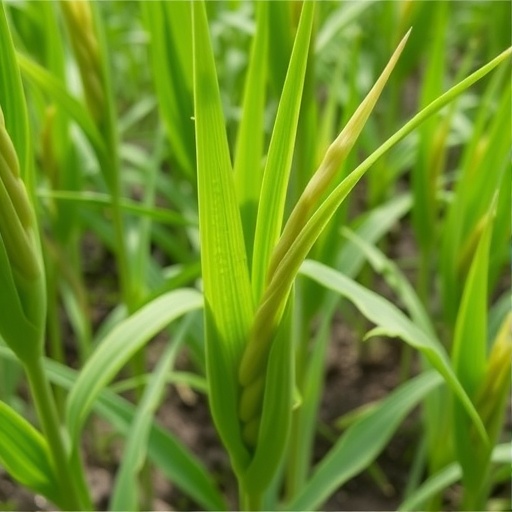
In a groundbreaking study highlighted by the recent advances in plant genomics, researchers have unveiled the intricate roles of the Ascorbate Peroxidase 2 (APX2) gene in rice (Oryza sativa L.), specifically in relation to tiller growth and metabolic processes. This research, which encompasses comprehensive transcriptome and metabolome analyses, offers unprecedented insights into the genetic and biochemical underpinnings that facilitate optimal rice development, a staple food that sustains over half of the world’s population. The study emphasizes the vital connections between gene expression profiles and the physiological traits that are crucial for enhancing rice yield, particularly through the manipulation of tiller growth.
Tiller production is a critical parameter in rice cultivation that influences overall yield. In this study, the researchers conducted detailed investigations into how APX2 affects not only the number of tillers produced but also how it regulates their developmental processes. The team collected and analyzed tissue samples from various growth stages of rice plants to establish a correlative relationship between APX2 activity, tiller development, and metabolic shifts. Such a methodological approach highlights the importance of molecular techniques in understanding plant responses to environmental conditions, thereby informing agricultural strategies aimed at yield optimization.
The research team utilized a combination of transcriptomics and metabolomics to draw correlations between gene expression and metabolic pathways. Through transcriptome analysis, significant changes in the expression levels of genes associated with tiller development were identified. This high-throughput analysis provided insights into the signaling pathways engaged by the APX2 gene, elucidating its role in regulating phytohormones that are vital for tiller initiation and elongation. These findings may help researchers formulate new methods for improving rice resilience and productivity in the face of climate change and other agricultural stressors.
Metabolomic analyses further complemented the findings by identifying key metabolites associated with measurable changes in rice physiology as influenced by APX2. The researchers focused on the implications of this gene for antioxidant activity, considering that APX2 is known for its role in detoxifying reactive oxygen species (ROS) within plant cells. By linking these metabolic profiles to specific developmental stages and tillering patterns, the study highlights a multifaceted regulatory mechanism that underscores the importance of maintaining redox homeostasis during pivotal growth phases.
Furthermore, the implications of enhancing tiller development through genetic manipulation of APX2 are significant for breeding programs aimed at increasing rice productivity. The potential to fine-tune APX2 expression could lead to cultivars that demonstrate superior adaptability under varying environmental conditions or less resource-intensive management practices. By strategically employing tools such as CRISPR/Cas9 technology, breeders could focus on achieving the desired tillering phenotypes, thus potentially revolutionizing how rice is cultivated around the globe.
The research also emphasizes understanding metabolic responses in rice as a cornerstone for improving agricultural outputs. By elucidating how APX2 modulation affects key metabolic pathways, particularly those related to energy production and nutrient allocation, plant biologists can develop targeted strategies to enhance the growth efficiency of rice. These insights align with global efforts to ensure food security through sustainable agricultural practices, particularly as population growth continues to escalate.
In addition to discussing the implications for rice cultivation, the study poses intriguing questions regarding the evolutionary conservation of the APX2 gene across different plant species. This aspect points towards a wider applicability of the findings, potentially serving as a model for understanding similar processes in other crops. Given that oxidative stress is a common challenge faced by various plants, the principles derived from this research may inform broader biological and agricultural sciences, creating ripple effects across the field.
Moreover, the study also positions the APX2 gene within the larger context of stress-response mechanisms in plants. As agricultural practices are increasingly confronted with abiotic stressors such as drought, heat, and salinity, identifying genes responsible for stress resilience is paramount. By integrating RNA sequencing data with metabolome profiling, the authors provide a holistic perspective on how genetic factors influence phenotypic adaptations, which could bolster ongoing efforts aimed at breeding climate-resilient crops.
The interdisciplinary nature of this research, merging genomics, metabolomics, and traditional plant biology, represents a trend in contemporary agri-genomic studies. As scientific methodologies advance, the ability to dissect complex biological systems becomes more attainable, paving the way for innovations that can directly impact crop production strategies. This research not only presents substantial findings but also encourages future studies to explore the intricacies of plant metabolism and its implications on growth, health, and yield.
In summary, the article serves as a clarion call for the scientific community to continue unraveling the complexities of plant genetics and metabolism. The promising findings related to APX2 and its role in tiller growth underscore the necessity of collaborative and interdisciplinary approaches in addressing the challenges of food production. As global demand for rice continues to rise, enhancing our understanding of key regulatory genes will be crucial for ensuring sustainable production practices that meet the nutritional needs of future generations.
In conclusion, this extensive study of the APX2 gene reinforces its significance as a prospective target for enhancing rice productivity. The insights gleaned from the transcriptome and metabolome analyses open new avenues for research and development within the agricultural biotechnology sector. As scientists and breeders work together toward achieving optimal rice growth and yield, the integration of genetic insights and metabolic understanding will undoubtedly play a pivotal role in shaping the future of agriculture.
The insights gained from this extensive study are expected to resonate within both academic and agricultural circles, prompting discussions about genetic enhancement methodologies and their integration into practical plant breeding strategies. By fostering a deeper understanding of APX2’s role in tiller growth and metabolism, the research provides a valuable foundation for future innovations in rice cultivation and food security.
Subject of Research: The role of APX2 in regulating tiller growth and metabolism in rice (Oryza sativa L.)
Article Title: Transcriptome and metabolome analyses reveal the roles of APX2 in regulating tiller growth and metabolism in rice (Oryza sativa L.)
Article References: Liu, X., Wang, L., Qiu, P. et al. Transcriptome and metabolome analyses reveal the roles of APX2 in regulating tiller growth and metabolism in rice (Oryza sativa L.). BMC Genomics (2026). https://doi.org/10.1186/s12864-026-12557-6
Image Credits: AI Generated
DOI:
Keywords: APX2, Oryza sativa, tiller growth, metabolomics, transcriptomics, genetic enhancement, food security, agricultural biotechnology.


