


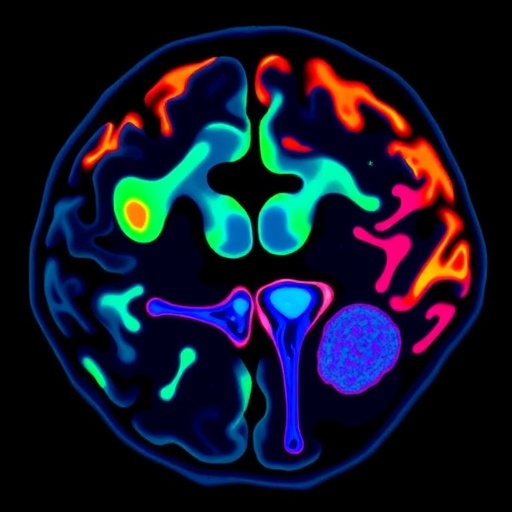
A new study in Cell Death Discovery reports that glioblastoma cells may be made far more vulnerable to radiation by turning the androgen receptor (AR) into a therapeutic lever. The work suggests that AR targeting can rewire tumor signaling to enhance both treatment efficacy and the immune response that follows.
Glioblastoma remains notoriously resistant to conventional therapy. Although radiotherapy is central to care, long-term control is frequently limited by cellular survival mechanisms and an immunosuppressive tumor microenvironment. Researchers therefore looked for a radiosensitizing strategy that could act directly on tumor pathways and indirectly on anti-tumor immunity.
The team focused on a pathway linking AR activity to TGF-β signaling through Smad3. TGF-β/Smad3 is widely associated with promoting immune evasion and supporting malignant persistence. By disrupting this axis, the authors aimed to convert the biological conditions that typically blunt radiotherapy’s impact.
In their experiments, AR targeting intensified cellular responses to radiation, leading to greater tumor cell death than radiation alone. Mechanistically, the study describes how AR inhibition shifts the TGF-β/Smad3 program, reducing the pro-survival signaling state that otherwise helps glioblastoma endure therapeutic stress.
Importantly, the findings extend beyond tumor-intrinsic effects. The altered signaling landscape also appeared to reshape anti-tumor immunity, supporting immune activity that can work alongside radiotherapy. This dual effect—enhanced radiosensitivity and improved immune engagement—may help explain the reported improvements in long-term outcomes.
While details of every experimental model are not discussed here, the study’s central claim is clear: AR is not just a biomarker in this context; it is a regulator of radiosensitivity through TGF-β/Smad3 reprogramming. Such pathway-level control offers a coherent rationale for combining targeted therapy with radiation.
The results also reinforce a broader concept in oncology: overcoming resistance may require modifying signaling networks that govern both survival and immune tolerance. By linking AR to TGF-β/Smad3, the research provides a testable framework for combination strategies.
If validated in further preclinical and clinical studies, AR-directed radiosensitization could represent a promising approach to extend survival and strengthen anti-tumor immunity in glioblastoma. For clinicians, the appeal lies in its potential to transform radiotherapy from a tumor-killing event into an immune-amplifying intervention.
Cite Scienmag News
Drew Townsend. (July 26, 2026). Androgen receptor targeting radiosensitizes glioblastoma by rewiring TGF-β/Smad3 signaling. Scienmag. https://scienmag.com/androgen-receptor-targeting-radiosensitizes-glioblastoma-by-rewiring-tgf-%ce%b2-smad3-signaling/
Drew Townsend. "Androgen receptor targeting radiosensitizes glioblastoma by rewiring TGF-β/Smad3 signaling." Scienmag, 26 July 2026, https://scienmag.com/androgen-receptor-targeting-radiosensitizes-glioblastoma-by-rewiring-tgf-%ce%b2-smad3-signaling/. Accessed 3 September 2026.
Drew Townsend. "Androgen receptor targeting radiosensitizes glioblastoma by rewiring TGF-β/Smad3 signaling." Scienmag. July 26, 2026. https://scienmag.com/androgen-receptor-targeting-radiosensitizes-glioblastoma-by-rewiring-tgf-%ce%b2-smad3-signaling/


