


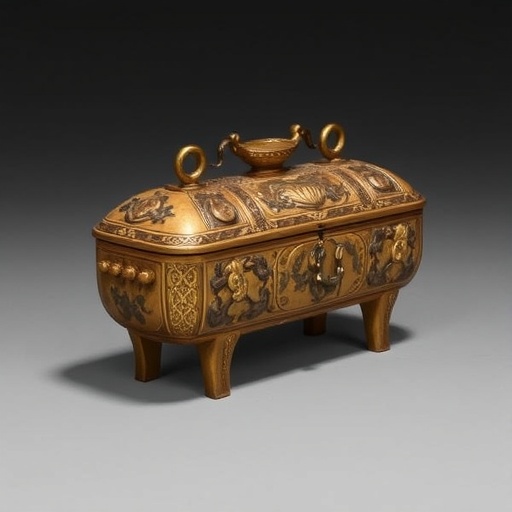
The discovery of gilt-bronze coffin ornaments from the Western Han Dynasty has opened a new window into understanding the manufacturing and gilding techniques employed during this remarkable period of Chinese history. Excavated from the Dapingzi cemetery in Sichuan Province, these unique artifacts present an intriguing combination of artistry, craftsmanship, and technological advancements characteristic of the era. This analysis delves into the intricate details of these techniques, offering fresh insights into the cultural and historical context of the objects.
The Western Han Dynasty, which lasted from 206 BCE to 9 CE, was a period characterized by significant socio-political changes and advancements in various fields, including metallurgy. Artisans during this era exhibited an impressive mastery over metalworking, especially with copper alloys, leading to the creation of ornate burial goods intended to accompany the deceased into the afterlife. The gilt-bronze coffin ornaments exemplify this exquisite craftsmanship, revealing both aesthetic and functional dimensions that underline their significance.
The manufacturing process of these coffin ornaments involved multiple stages, meticulously carried out by skilled craftsmen. The initial step included selecting high-quality bronze materials, predominantly composed of copper and tin, to ensure durability and lustrous appeal. The choice of alloy played a crucial role in the final outcome, impacting both the color and the resilience of the artifacts. This selection process, rooted in the understanding of material properties, showcases the artisans’ profound knowledge of metallurgy.
Once the raw materials were obtained, artisans shaped the bronze into desired forms using advanced techniques such as casting and forging. The lost-wax casting method, particularly, was prevalent during this time, allowing for intricate designs to be replicated with astounding precision. This technique not only facilitated the creation of complex patterns but also imbued the artifacts with unique characteristics, making each piece a testament to the artisan’s skill.
After casting the bronze into the desired shapes, the next phase involved surface preparation, which was performed with great care. Artisans employed abrasive materials to polish the bronze surfaces, significantly enhancing their luster. This polishing process was critical since the subsequent gilding would hinge upon the quality of the underlying surface. The meticulous attention to detail at this stage reflected an understanding of aesthetic values, as the gleaming surface would amplify the effects of the gilding that followed.
The gilding process itself was a sophisticated art form, commonly achieved through techniques such as fire gilding or electroplating. Fire gilding, a prevalent method during the Han Dynasty, involved applying a thin layer of gold onto the prepared bronze surface using an amalgam that combined gold and mercury. This technique resulted in an impressive brilliance once the mercury was driven off through heat. However, it also presented significant health risks to the artisans, showcasing the lengths they would go to achieve opulence in burial practices.
Electroplating, though less common in the Han era, is notable in the context of modern scholarship examining the evolution of gilding techniques. It allows for even more controlled applications of gold, resulting in a smooth finish without the mercury hazards associated with fire gilding. While the gilt-bronze ornaments of the Western Han likely relied on more traditional methods, exploring these advanced technologies in research helps illustrate the continuous development of metallurgical techniques through history.
The decorative elements on the gilt-bronze ornaments also play a crucial role in understanding their significance. Intricate motifs, often inspired by nature, mythology, and daily life, adorned these artifacts, each symbol carrying meaning. Dragons, phoenixes, and floral patterns often appeared, representing auspiciousness and a connection to the cosmic realm. This intertwining of art and belief illustrates the profound relationship between material culture and spiritual practices in ancient China.
Moreover, the spatial arrangement of these ornaments within burial contexts further underscores their importance. Strategically placed within the coffin, they served both protective and ornamental functions, reflecting the beliefs surrounding death and the afterlife. Their role in creating a harmonious and aesthetically pleasing environment for the deceased reveals the high value placed on these artifacts by the families of the departed, emphasizing social status and the desire for continuity beyond death.
As excavations of the Dapingzi cemetery continue, researchers are uncovering a wealth of information regarding burial customs and the material culture of the Western Han Dynasty. Each artifact provides additional context, allowing for a deeper understanding of the socio-economic dynamics at play during this era. The gilt-bronze coffin ornaments, in this regard, serve as a focal point for exploring larger themes of identity, spirituality, and technological advancement in ancient China.
The discussion surrounding the manufacturing and gilding techniques of these artifacts is not limited to historical significance alone. It raises vital questions about conservation practices and the preservation of cultural heritage in modern-day contexts. Understanding these processes not only enriches our comprehension of historical artifacts but also informs how current scholars and conservators approach the safeguarding of such invaluable pieces of human history.
Advancements in analytical techniques, such as X-ray fluorescence and metallographic analysis, are now aiding researchers in uncovering the complexities of materials used in these gilded objects. By applying modern technology to ancient artifacts, we can gain insights into the specific compositions of the copper alloys and the methods employed, allowing for more accurate reconstructions of past production practices. This fusion of ancient craftsmanship and contemporary analysis paints a vivid picture of our shared heritage and the ingenuity of those who came before us.
The ongoing investigations surrounding these gilt-bronze coffin ornaments not only highlight the rich tapestry of ancient Chinese civilization but also serve as a reminder of the importance of preserving and studying our cultural past. Each small discovery adds another layer to our understanding of the intricate relationship between society, art, and technology throughout history.
In a world increasingly driven by technological advancements, the artistry of the past remains a poignant reminder of the human experience that transcends time. The gilt-bronze coffin ornaments exemplify this idea, showcasing not only the technical skills of their creators but also the cultural narratives embedded within their designs. The research surrounding these artifacts will likely continue to evolve, offering new revelations and bridging the gap between ancient practices and modern scholarship.
As we delve deeper into the past, let us cherish and protect the cultural legacies left by those who lived before us, ensuring that their stories endure for generations to come. Through continued exploration and preservation efforts, we can honor the artistry, craftsmanship, and spiritual significance of artifacts like the gilt-bronze coffin ornaments of the Western Han Dynasty, recognizing them as vital links to our shared history.
Cite Scienmag News
Courtney Benton. (January 13, 2026). Ancient Gilt-Bronze Coffin Ornaments: Han Dynasty Insights. Scienmag. https://scienmag.com/ancient-gilt-bronze-coffin-ornaments-han-dynasty-insights/
Courtney Benton. "Ancient Gilt-Bronze Coffin Ornaments: Han Dynasty Insights." Scienmag, 13 January 2026, https://scienmag.com/ancient-gilt-bronze-coffin-ornaments-han-dynasty-insights/. Accessed 3 September 2026.
Courtney Benton. "Ancient Gilt-Bronze Coffin Ornaments: Han Dynasty Insights." Scienmag. January 13, 2026. https://scienmag.com/ancient-gilt-bronze-coffin-ornaments-han-dynasty-insights/


