


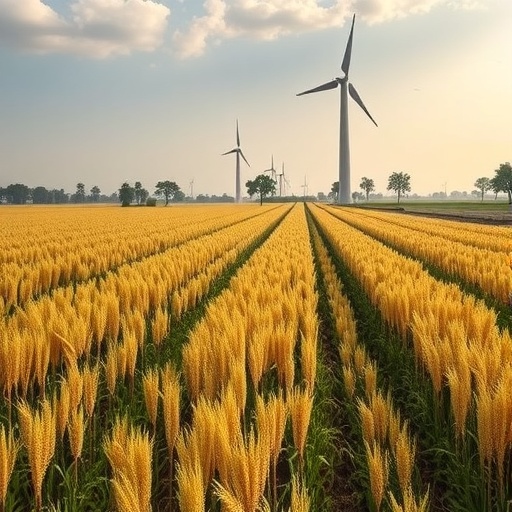
In a groundbreaking new study published in Nature Food, researchers have unveiled compelling evidence that agri-environmental policies implemented worldwide have played a critical role in reducing cropland degradation on a global scale. This research comes at a pivotal moment for global agriculture, as increasing environmental pressures and escalating demands for food production challenge the sustainability of the planet’s arable land. The comprehensive analysis highlights not only the efficacy of these policies but also provides crucial insights for future strategies aiming to safeguard soil health and agricultural productivity.
Cropland degradation is a multifaceted issue characterized by soil erosion, nutrient depletion, salinity, desertification, and loss of organic matter — all factors that collectively diminish the land’s ability to support crop growth. This degradation threatens food security, biodiversity, and ecosystem services, with far-reaching socioeconomic consequences. The study rigorously examines the scope and impact of policy interventions designed to mitigate these adverse trends, positioning environmental stewardship as a central pillar of global agroecosystems management.
Utilizing a robust combination of satellite data, long-term agricultural records, and environmental monitoring, the researchers conducted an unprecedented global assessment of cropland degradation trends. They analyzed changes over multiple decades, correlating them with the timing and intensity of agri-environmental policies aimed at limiting harmful practices and encouraging regenerative farming techniques. These policies typically include incentives for crop rotation, reduced tillage, organic amendments, soil conservation practices, and restrictions on agrochemical inputs.
One of the key findings from this study is the measurable reduction in degradation rates in regions where policy frameworks were actively enforced. In particular, areas that adopted integrated soil fertility management and conservation agriculture showed marked improvements. Such approaches improve soil structure and biodiversity, enhance water retention, and increase carbon sequestration, effectively reversing or stabilizing degradation processes. This outcome provides a hopeful narrative against the otherwise alarming trend of soil degradation worldwide.
The research team also emphasized the complexity of implementing these policies, noting disparities in effectiveness depending on local governance, economic conditions, and cultural acceptance. While some regions demonstrated remarkable progress, others lagged, underscoring the need for context-specific strategies and international cooperation. The study calls for enhanced support mechanisms, technology transfer, and capacity building to empower farmers and communities in vulnerable regions.
An innovative aspect of this work is its use of high-resolution satellite imagery to detect subtle changes in land cover and soil condition over time. This enabled the team to isolate the influence of policy factors from natural variability or climate-induced changes. The ability to distinguish these influences marks a significant advancement in environmental monitoring techniques for agricultural landscapes, enabling better precision in policy evaluation and future intervention designs.
Furthermore, the study details how participatory approaches, involving stakeholders from local farmers to policymakers, amplify the success of agri-environmental measures. Stakeholder engagement fosters ownership, knowledge exchange, and adaptive management, which are vital for sustainable transitions in farming practices. The data suggest that where such inclusive methods were part of policy frameworks, degradation mitigation was more effective and enduring.
While these findings underscore the positive impact of agri-environmental policies, the scientists caution that the threat of cropland degradation remains significant globally. Factors such as climate change, population growth, and economic pressures continue to impose intense demands on land resources. The study advocates for continuous innovation in policy instruments and stronger alignment with environmental targets such as the United Nations Sustainable Development Goals.
Importantly, the research also touches upon the role of technology in supporting these efforts. Advanced soil monitoring technologies, precision agriculture, and data-driven decision-making tools can enhance the targeted application of inputs and optimize land use. When integrated with supportive policies, these innovations can dramatically improve land management outcomes and further curtail degradation trends.
In regions prone to severe degradation, the study highlights the necessity for rehabilitation and restoration programs alongside preventive measures. These can include reforestation, cover cropping, and organic amendments to rebuild soil organic matter and restore productivity. The authors argue that policy frameworks must not only incentivize conservation but also actively support restoration to create resilient agroecosystems.
The findings from this research convey a powerful message: well-formulated and enforced agri-environmental policies have the capacity to turn the tide against cropland degradation. This represents a paradigm shift in the global approach to agricultural sustainability, emphasizing policy as a tool for environmental stewardship. The lessons learned here hold profound implications for future food security, ecosystem health, and climate resilience.
As global leaders and stakeholders gather to address agricultural sustainability challenges, this study offers a scientifically robust foundation for evidence-based policy-making. It provides a roadmap showing that effective policy, combined with technological advances and stakeholder engagement, can achieve measurable environmental benefits at scale. The researchers urge continued investment in policy innovation, research, and cross-sector collaboration to consolidate these gains and ensure sustainable land management for future generations.
This transformative insight into the global dynamics of cropland degradation and policy impact arrives at a crucial intersection of science, politics, and agriculture. It compels the international community to recognize not only the risks posed by land degradation but to celebrate the tangible progress enabled by concerted policy action. It is an urgent call to prioritize land conservation in the global agenda, fostering a future where agriculture and environment thrive symbiotically.
In sum, this seminal study positions agri-environmental policy as a cornerstone for reversing the historic trajectory of cropland degradation. The integration of continuous monitoring, adaptive governance, stakeholder participation, and technological innovation offers a comprehensive pathway for sustainable agricultural landscapes worldwide. This research sets a precedent for future work and highlights actionable strategies to support the resilience and productivity of our planet’s vital croplands.
Cite Scienmag News
Alan Morgan. (May 18, 2026). Agri-Environmental Policies Curb Global Cropland Degradation. Scienmag. https://scienmag.com/agri-environmental-policies-curb-global-cropland-degradation/
Alan Morgan. "Agri-Environmental Policies Curb Global Cropland Degradation." Scienmag, 18 May 2026, https://scienmag.com/agri-environmental-policies-curb-global-cropland-degradation/. Accessed 3 September 2026.
Alan Morgan. "Agri-Environmental Policies Curb Global Cropland Degradation." Scienmag. May 18, 2026. https://scienmag.com/agri-environmental-policies-curb-global-cropland-degradation/


