


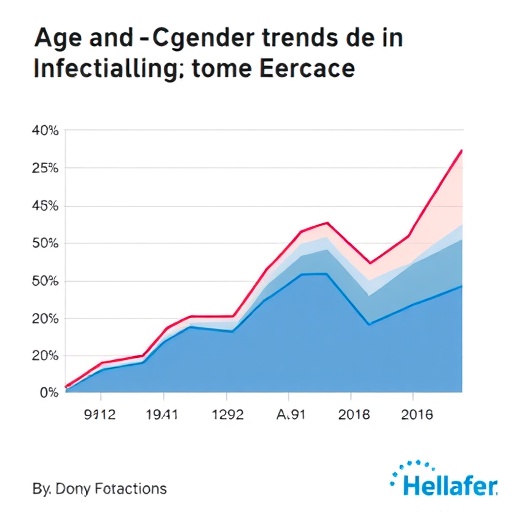
The influenza A virus continues to be a significant public health concern, presenting unique epidemiological characteristics that vary across different age groups and genders. In an in-depth study conducted by Li et al., these variations have been analyzed through a longitudinal lens, revealing vital insights into the dynamics of this virus and its impact on populations. The research published in the Journal of Translational Medicine highlights critical patterns in infections, providing a comprehensive overview of the virus’s epidemiology beyond the traditional year-to-year surveillance.
The study focuses on the incidence of influenza A virus infections, comparing and contrasting the age demographics affected by the virus. One of the most striking findings is the increased susceptibility among younger children and the elderly. Children aged less than five years and adults over 65 exhibit the highest infection rates, which raises concerns about the health implications for these vulnerable groups. Public health strategies must be tailored to address these disparities effectively, promoting awareness and preventative measures among these populations.
Moreover, the role of gender in influenza A virus infection rates is a crucial aspect of this research. Interestingly, the findings suggest that gender differences may influence susceptibility and morbidity associated with the virus. This insight could be pivotal in understanding how biological and social factors contribute to the varied responses to the influenza virus. Researchers advocate for deeper investigations into how these factors interact, potentially leading to more individualized treatment and prevention approaches in future influenza seasons.
The longitudinal nature of Li et al.’s analysis offers a robust framework for understanding how influenza A infections fluctuate over time. By examining data across different seasons, the study provides invaluable insights into seasonal trends and the effectiveness of vaccination efforts. This research underscores the importance of sustained monitoring and adaptive strategies in flu vaccine formulations to enhance public health responses.
An essential finding of the research indicates significant differences in clinical diagnoses associated with influenza A virus infections. The study delineates how underlying health conditions, such as asthma, diabetes, and cardiovascular diseases, manifest differently across age groups. For example, while respiratory ailments may be prevalent in younger populations, cardiovascular complications are more pronounced in older adults. These differences emphasize the need for tailored medical approaches that consider not just age but also individual health profiles.
Furthermore, the socioeconomic factors influencing influenza A virus transmission were critically examined. The study suggests that lower socioeconomic status is often correlated with higher incidence rates, which may be attributed to limited access to healthcare, inadequate living conditions, and education regarding preventive measures. Addressing these systemic issues could play a vital role in reducing the burden of influenza A virus infections, particularly in marginalized communities.
The research also highlights the importance of vaccination in mitigating the effects of the influenza A virus, especially in sensitive groups. It emphasizes the low vaccination rates among eligible populations, underscoring the necessity of enhanced public health initiatives. Engaging with communities through educational outreach and improving vaccine accessibility can lead to higher immunization rates, significantly reducing hospitalizations and severe outcomes associated with the virus.
In discussing the implications of their findings, Li et al. suggest actionable recommendations for healthcare providers and public health officials. One such recommendation advocates for ongoing education about the importance of influenza vaccination, specifically targeting high-risk groups. Understanding the unique vulnerabilities that children and older adults face is vital in crafting messaging that resonates and encourages proactive health behaviors.
Additionally, the research points to the importance of interdisciplinary collaboration in combating influenza A virus outbreaks. By fostering partnerships among virologists, epidemiologists, and healthcare providers, a more holistic approach to managing and preventing influenza can be realized. This collaborative model can enhance the depth of understanding regarding influenza transmission dynamics and lengthen the lifespan of effective public health interventions.
Beyond the practical implications of the research, it also raises questions regarding future directions for influenza A virus studies. As the world continually faces viral mutations and emerging strains, there is a pressing need for adaptive research methodologies that can keep pace with these changes. Ongoing surveillance studies that integrate genetic analyses of circulating strains alongside public health data will be critical in anticipating and responding to future influenza threats.
As global travel and urbanization increase, so too does the potential for rapid transmission of influenza A viruses across populations. The insights drawn from Li et al.’s longitudinal analysis provide a framework for understanding these epidemiological shifts. By recognizing that influenza A infections are not isolated events but rather part of a broader dynamic, we can better prepare for and mitigate the impacts of future outbreaks.
The intersection of technology and epidemiology also emerges as a vital theme in this research. Utilizing advanced analytics and machine learning algorithms on health data can uncover patterns previously obscured by traditional analytical methods. The potential to harness such technologies promises to enhance our understanding of the influenza A virus and improve forecasting models, ultimately leading to more effective outbreak management strategies.
In conclusion, the comprehensive study led by Li et al. significantly contributes to our understanding of the epidemiological landscape of influenza A virus infections. By dissecting the impacts across age groups and incorporating gender analysis, the research illuminates critical public health implications. These findings underscore the necessity of tailored interventions, improved vaccination strategies, and an interdisciplinary approach to combatting future influenza threats. As we move forward, it is crucial to leverage these insights to foster a more robust health system, geared towards protecting the most vulnerable segments of our population in the face of ongoing viral challenges.
Li, S., Xing, K., Su, Y. et al. Epidemiological characteristics of influenza A virus infection across age groups: a longitudinal analysis based on gender and clinical diagnosis. J Transl Med 23, 1113 (2025). https://doi.org/10.1186/s12967-025-07136-4
Cite Scienmag News
Kristina Jarvis. (October 16, 2025). Age and Gender Trends in Influenza A Infection. Scienmag. https://scienmag.com/age-and-gender-trends-in-influenza-a-infection/
Kristina Jarvis. "Age and Gender Trends in Influenza A Infection." Scienmag, 16 October 2025, https://scienmag.com/age-and-gender-trends-in-influenza-a-infection/. Accessed 3 September 2026.
Kristina Jarvis. "Age and Gender Trends in Influenza A Infection." Scienmag. October 16, 2025. https://scienmag.com/age-and-gender-trends-in-influenza-a-infection/


