


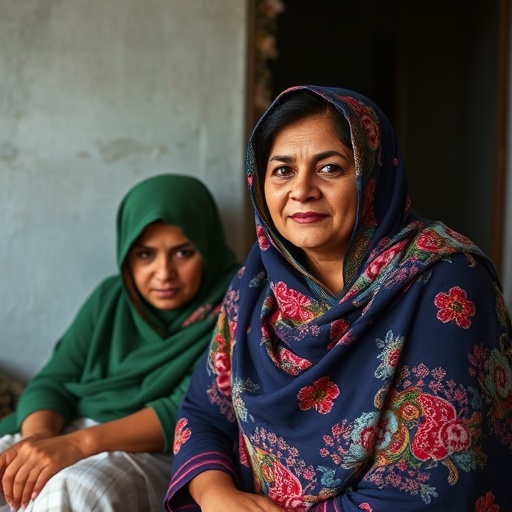
For Afghan women living in the United States, seeking medical care can involve far more than finding a clinic or scheduling an appointment. A qualitative study published in JAMA Network Open describes a layered system of barriers shaped by displacement-related trauma, sociocultural expectations, language differences, and weaknesses in the health care system. Together, these factors can delay treatment, reduce trust in providers, and make routine care difficult to obtain.
The study’s findings highlight how migration can affect health long after a person has reached physical safety. Many Afghan women have experienced war, political upheaval, forced displacement, family separation, or prolonged uncertainty. These experiences may contribute to chronic stress, anxiety, depression, and trauma-related symptoms, while also making interactions with unfamiliar institutions more difficult. Health care environments that do not recognize these experiences may unintentionally intensify distress or discourage patients from returning for follow-up care.
Trauma can influence medical access through both psychological and practical pathways. A patient who has experienced violence, displacement, or loss may be hesitant to disclose personal information, undergo physical examinations, or interact with authority figures. Symptoms associated with trauma can also overlap with physical illness, complicating diagnosis. The study suggests that clinicians need to approach care with trauma-informed principles, including clear communication, consent before examinations, privacy protections, and an understanding that reluctance or missed appointments may reflect prior experiences rather than a lack of interest in treatment.
Cultural expectations were another major part of the health care challenge. Afghan women may face family responsibilities, restrictions on mobility, concerns about modesty, or preferences for female clinicians, interpreters, and chaperones. These considerations can affect whether a woman seeks preventive care, discusses reproductive or mental health concerns, or feels comfortable describing symptoms. When health systems treat these preferences as obstacles rather than legitimate components of care, patients may postpone visits until a condition becomes more serious.
Language access adds a technical and clinical dimension to the problem. Medical interpretation is not simply a word-for-word translation process; it requires accurate communication of symptoms, diagnoses, treatment risks, and informed consent. Limited English proficiency can lead to misunderstandings about medication schedules, referrals, laboratory testing, or warning signs that require urgent attention. The study points toward the need for qualified interpreters and culturally responsive communication rather than relying on family members, children, or untrained staff to interpret sensitive medical information.
Structural deficiencies can amplify these personal and cultural barriers. Patients may encounter long appointment wait times, transportation problems, complicated insurance requirements, limited clinic hours, and fragmented referral systems. For recently arrived immigrants and refugees, unfamiliarity with the US health care system can make these processes especially difficult. A woman may not know whether to visit a primary care clinic, urgent care center, emergency department, or specialist, or how to obtain coverage and arrange follow-up treatment after an initial visit.
These difficulties are interconnected rather than isolated. A patient with trauma-related symptoms may need mental health care, but a shortage of providers who speak her language can prevent an effective consultation. Transportation challenges may cause her to miss an appointment, while inflexible scheduling may conflict with childcare or household responsibilities. If the clinic then classifies the missed visit as nonadherence, the system may overlook the underlying barriers and further weaken the patient’s access to care.
The researchers’ qualitative approach is important because it captures experiences that may not appear in administrative data or standard health surveys. Quantitative records can show whether patients attend appointments, receive screenings, or complete referrals, but they often cannot explain why those outcomes occur. Interviews and other qualitative methods can reveal how patients interpret medical encounters, where communication fails, and which institutional practices create fear or confusion. This type of evidence can help health systems design interventions that reflect patients’ lived realities.
The study calls for public health strategies that combine cultural sensitivity with structural reform. Possible approaches include expanding professional interpretation services, recruiting Afghan and other multilingual health care workers, training clinicians in trauma-informed and culturally responsive care, and improving navigation assistance for insurance, referrals, transportation, and appointments. Community partnerships may also help health systems build trust, particularly when programs are developed with Afghan women rather than designed for them without their participation.
Improving access will require more than encouraging individuals to seek care. Health systems must examine how their own procedures, staffing models, communication practices, and referral networks shape patient behavior. For Afghan women, accessible care may depend on whether a clinic can provide privacy, language support, flexible scheduling, respectful examinations, and continuity with trusted professionals. The study presents these changes not as optional accommodations, but as essential elements of effective public health. Its central message is that health care access is produced jointly by patients and institutions—and that institutions have a responsibility to remove the barriers they create.
Web References: https://doi.org/10.1001/jamanetworkopen.2026.27727
References: Kandahari N, et al. Study published in JAMA Network Open. DOI: 10.1001/jamanetworkopen.2026.27727
Cite Scienmag News
Ophelia Keating. (August 7, 2026). Afghan Refugee Women in U.S. Face Health and Healthcare Access Challenges. Scienmag. https://scienmag.com/afghan-refugee-women-in-u-s-face-health-and-healthcare-access-challenges/
Ophelia Keating. "Afghan Refugee Women in U.S. Face Health and Healthcare Access Challenges." Scienmag, 7 August 2026, https://scienmag.com/afghan-refugee-women-in-u-s-face-health-and-healthcare-access-challenges/. Accessed 4 September 2026.
Ophelia Keating. "Afghan Refugee Women in U.S. Face Health and Healthcare Access Challenges." Scienmag. August 7, 2026. https://scienmag.com/afghan-refugee-women-in-u-s-face-health-and-healthcare-access-challenges/


