


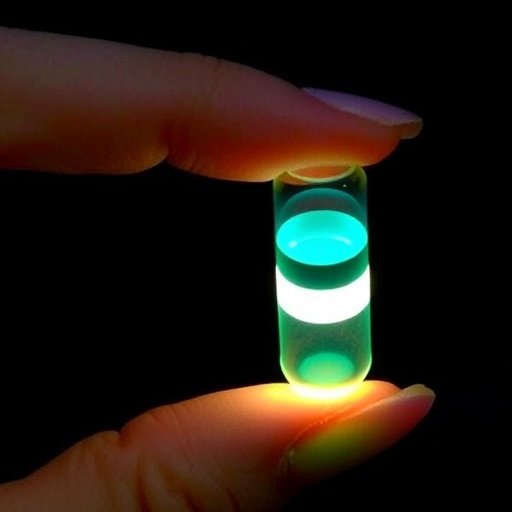
As the field of diabetes research evolves, the quest for reliable and efficient insulin quantification methods continues to gain momentum. A recent comprehensive review published in the Annals of Biomedical Engineering examines the cutting-edge developments in the realm of insulin quantification through the use of electrochemical and optical aptasensors. This research presents exciting possibilities in the detection of insulin, representing a vital step in managing diabetes more effectively than ever before.
Insulin, a key hormone in regulating blood glucose levels, plays an essential role in the body’s metabolic processes. For those with diabetes, maintaining appropriate insulin levels is crucial; however, traditional methods of measuring insulin can be complex, time-consuming, and sometimes inaccurate. Thus, researchers have pivoted towards innovative sensing techniques that promise improved sensitivity and specificity. Aptasensors, in particular, combine the specificity of aptamers with the robustness of electrochemical and optical detection methods, paving the way for advancements that could revolutionize how insulin levels are monitored.
Aptamers, short strands of nucleic acids, serve as powerful recognition elements that can bind to target molecules such as insulin with high affinity. The review discusses how these aptamers, due to their unique properties, can be engineered to detect insulin levels with remarkable precision. The use of aptamers is significant because they can be selected to have specific binding interactions, thus eliminating the reliance on antibodies, which may have limitations related to stability and availability.
In the review, the authors outline various approaches to integrating aptamers with electrochemical detection systems. Electrochemical sensors can offer rapid response times and the ability to detect low concentrations of insulin in real-time, making them ideal candidates for continuous monitoring. These devices can provide critical data that help patients and healthcare providers make informed decisions regarding insulin administration and glucose management.
Optical sensors also play a crucial role in this landscape, offering an alternative to traditional electrochemical methods. The review highlights the use of techniques such as surface plasmon resonance and fluorescence, which harness light to detect binding events between insulin and its respective aptamers. This optical approach can enhance sensitivity and allow for the tracking of dynamic changes in insulin concentrations, which is particularly beneficial for patients requiring close monitoring of their glycemic status.
One important aspect covered in the review is the fabrication process of these sensors. Researchers have employed various materials and methods, ranging from nanomaterials to microfabrication techniques, to create platforms that enhance the performance of these sensors. The review notably emphasizes the role of nanotechnology in developing highly sensitive sensors that can be miniaturized for portability and ease of use, catering to the needs of patients who require continuous glucose monitoring.
Moreover, the integration of these advanced aptasensing technologies into wearable devices is a significant focus of the investigation. Wearable health technology is on the rise, and the incorporation of insulin-measuring aptasensors could facilitate seamless glucose management for individuals with diabetes. Such innovations promise to provide real-time feedback on insulin levels, reducing the burden of frequent testing while ensuring that patients maintain stable blood glucose levels throughout the day.
The review does not overlook the challenges faced in this emerging field. Despite remarkable progress, the authors note that further research is needed to address issues such as sensor reproducibility, the stability of aptamers, and potential interference from other molecules present in biological fluids. Overcoming these challenges is essential for transitioning these technologies from laboratory settings to practical, everyday applications in clinical scenarios.
Regulatory considerations also play a critical role in the development and acceptance of these novel sensing technologies. The review elucidates the need for rigorous assessments to ensure that these devices are safe, effective, and compliant with health regulations. This pathway to approval is vital for gaining trust from both patients and healthcare providers who will ultimately rely on these advancements for effective diabetes management.
As we look to the future, the promise of electrochemical and optical aptasensors revolutionizing insulin quantification is not just about improving technology; it’s about transforming the lives of millions. The ability to manage diabetes more effectively through innovative technologies could lead to better health outcomes, reduced complications, and an enhanced quality of life for patients around the world. The ongoing research detailed in this review serves as a beacon of hope, showcasing the potential of science and technology to tackle pressing health challenges.
In conclusion, the exploration of electrochemical and optical aptasensors for insulin quantification presents an exciting frontier in diabetes care. As research continues to progress, it is evident that these technologies could provide patients with a level of independence and control over their management that has previously been unattainable. The findings shared by Chong et al. in their enlightening review not only shed light on the state of the art but also pave the way for future innovations that could significantly alter the diabetes landscape for the better.
Chong, J., Md Shakhih, M., Vijayam, B. et al. Insulin Quantification Through Electrochemical and Optical Aptasensors: A Review.
Ann Biomed Eng (2025). https://doi.org/10.1007/s10439-025-03881-1
Cite Scienmag News
Ophelia Keating. (October 18, 2025). Advancements in Insulin Detection: Electrochemical and Optical Aptasensors. Scienmag. https://scienmag.com/advancements-in-insulin-detection-electrochemical-and-optical-aptasensors/
Ophelia Keating. "Advancements in Insulin Detection: Electrochemical and Optical Aptasensors." Scienmag, 18 October 2025, https://scienmag.com/advancements-in-insulin-detection-electrochemical-and-optical-aptasensors/. Accessed 3 September 2026.
Ophelia Keating. "Advancements in Insulin Detection: Electrochemical and Optical Aptasensors." Scienmag. October 18, 2025. https://scienmag.com/advancements-in-insulin-detection-electrochemical-and-optical-aptasensors/


