


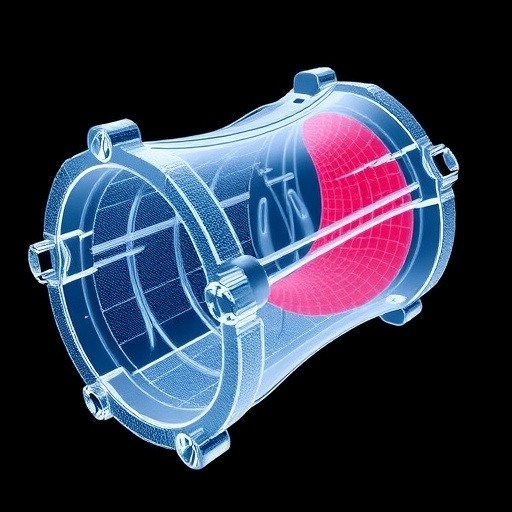
In recent years, the field of 3D printing has made considerable strides in various domains, particularly in the realm of medicine. One of the most exciting applications of this technology is in the reconstruction of the upper airway. Researchers have been investigating the potential of 3D-printed scaffolds to revolutionize how airway issues are addressed, offering hope to patients suffering from various conditions that compromise their breathing capabilities. As we delve into this transformative area of research, we uncover the insights, design considerations, and challenges that come with integrating 3D printing into clinical applications.
The upper airway is an intricate structure that plays a crucial role in respiration and overall health. Conditions such as congenital anomalies, trauma, and tumors can severely obstruct airflow, leading to significant morbidity. Traditionally, surgical interventions for addressing these issues have involved the use of grafts or reconstructive techniques that can be invasive and may not always yield optimal results. However, the adoption of 3D printing technology offers a groundbreaking alternative that could enhance surgical outcomes through personalized and precise approaches.
One of the most significant advantages of 3D printing in upper airway reconstruction is the ability to create patient-specific scaffolds that mimic the exact anatomical structure of the individual’s airway. The process begins with advanced imaging techniques, such as CT or MRI scans, which produce detailed models of the patient’s anatomy. These models serve as a blueprint for constructing the scaffolds, allowing for tailored solutions that account for the unique dimensions and characteristics of each patient’s airway.
The materials used in 3D printing for medical applications play a pivotal role in determining the success of scaffold implantation. Biocompatible materials ensure that the scaffold can integrate into the patient’s body without eliciting adverse immune responses. Researchers are currently exploring a range of materials, including biodegradable polymers and bioactive ceramics, to develop scaffolds that not only support tissue regeneration but also provide necessary mechanical strength and stability during the healing process.
An essential consideration in the design of 3D-printed scaffolds is the porosity and permeability of the material. These factors are critical for facilitating nutrient exchange and cell migration, which are vital for proper tissue growth. Moreover, achieving the right balance between rigidity and flexibility is paramount. The scaffold must be robust enough to hold its shape and support airway structures while simultaneously allowing for some degree of movement to accommodate normal physiological activities such as breathing and swallowing.
While the prospects of using 3D-printed scaffolds in upper airway reconstruction are promising, several challenges remain. One of the most pressing issues is ensuring that these scaffolds promote efficient vascularization, which is essential for the long-term success of tissue engineering. Without proper blood supply, the viability of the implanted tissue diminishes, leading to potential scaffold failure. Researchers are investigating various strategies to enhance vascularization, such as incorporating growth factors or utilizing advanced printing techniques to create microchannels within the scaffolds.
Another significant hurdle is the regulatory landscape surrounding the use of 3D-printed medical devices. The approval process can be time-consuming and complex, with stringent requirements that must be met to ensure patient safety. Regulatory bodies are increasingly recognizing the potential of 3D printing in healthcare, yet navigating the pathway to clinical translation demands substantial evidence of efficacy and safety. This necessitates extensive preclinical studies and clinical trials, which require time and substantial financial investment.
The collaboration between clinicians, engineers, and material scientists is crucial for overcoming these challenges and advancing the field of 3D-printed scaffolds in upper airway reconstruction. Interdisciplinary partnerships can foster innovation and expedite the development process, ultimately leading to more effective solutions for patients. Regular communication among stakeholders ensures that clinical needs are adequately addressed, guiding the design and refinement of scaffold technologies.
Moreover, educating patients and healthcare professionals about the benefits and limitations of 3D-printed scaffolds is essential for fostering acceptance and encouraging clinical adoption. Awareness campaigns can help demystify this technology, showcasing its potential to improve patient outcomes. Providing transparent information regarding the risks, benefits, and expected outcomes of the procedure can empower patients to make informed decisions about their treatment options.
As research continues to evolve, the landscape of upper airway reconstruction is likely to change dramatically in the coming years. The prospect of utilizing 3D-printed scaffolds promises not only to enhance surgical precision but also to personalize care, allowing for tailored interventions that align with specific patient needs. This shift in paradigm has the potential to redefine the standards of airway treatment and significantly improve the quality of life for individuals battling breathing-related issues.
In conclusion, the journey toward the clinical translation of 3D-printed scaffolds in upper airway reconstruction is paved with both extraordinary possibilities and formidable challenges. As researchers continue to push the boundaries of innovation, the vision of creating sustainable, customizable solutions that can seamlessly integrate into biological systems is becoming increasingly attainable. With ongoing advancements in technology and material science, we stand on the cusp of a new era where 3D printing could become a mainstay in reconstructive medicine, offering hope and renewed health for countless patients.
Yeleswarapu, S., Myers, C.E., Richards, A.M. et al. Toward Clinical Translation of 3D-Printed Scaffolds in Upper Airway Reconstruction: Insights, Design Considerations, and Challenges.
Curr Transpl Rep 12, 35 (2025). https://doi.org/10.1007/s40472-025-00490-8
Cite Scienmag News
Ophelia Keating. (August 28, 2025). Advancements in 3D-Printed Scaffolds for Airway Repair. Scienmag. https://scienmag.com/advancements-in-3d-printed-scaffolds-for-airway-repair/
Ophelia Keating. "Advancements in 3D-Printed Scaffolds for Airway Repair." Scienmag, 28 August 2025, https://scienmag.com/advancements-in-3d-printed-scaffolds-for-airway-repair/. Accessed 8 September 2026.
Ophelia Keating. "Advancements in 3D-Printed Scaffolds for Airway Repair." Scienmag. August 28, 2025. https://scienmag.com/advancements-in-3d-printed-scaffolds-for-airway-repair/


