

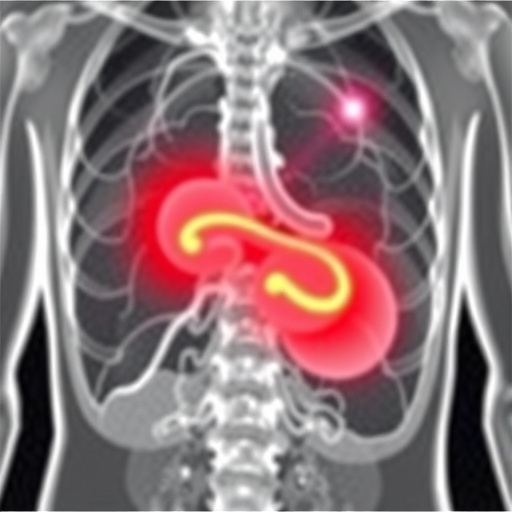
Acute mesenteric ischemia (AMI) is an often-overlooked yet critical medical condition that predominantly affects older adults. It arises when blood flow to the mesenteric arteries, which supply the intestines, is obstructed. This blockage can lead to significant gastrointestinal complications, including bowel necrosis, and, if not treated promptly, can culminate in death. The process of diagnosis and treatment presents distinct challenges, particularly in the elderly, whose resilience may be diminished relative to younger populations. A recent study published by Castilla-Guerra and colleagues highlights the clinical profiles, management patterns, and potential outcomes for older adults suffering from AMI.
The research involved a detailed examination of various clinical data points gathered from patients diagnosed with AMI. The study’s findings emphasize the multi-faceted nature of this condition, influenced by a myriad of factors such as age, comorbidities, and social circumstances. Notably, individuals with underlying health issues like cardiovascular disease, diabetes, or chronic kidney conditions demonstrated a higher risk of experiencing acute mesenteric ischemia. Such insights provide a vital reference for healthcare providers when assessing risk factors in older patients.
One of the pivotal findings of this research is the lag often observed in the diagnosis of AMI among older adults. Many patients present with atypical symptoms, which can lead to misdiagnosis or delayed treatment. For instance, while younger individuals may report severe abdominal pain as a hallmark symptom, older patients might exhibit more generalized discomfort or even confusion. This divergence necessitates a high degree of vigilance for healthcare practitioners who are tasked with evaluating older adults, as early recognition of AMI is key to reducing morbidity and mortality.
Management strategies for AMI often vary, relying on the severity of the ischemic process and the overall health status of the patient. Castilla-Guerra’s study delineates a spectrum of treatment modalities ranging from conservative management to urgent surgical intervention. While surgical revascularization remains a common approach in severe cases, the prognosis can be particularly bleak if bowel necrosis has already occurred prior to surgical intervention. Exploring whether to employ minimally invasive techniques or traditional surgical methods is a critical consideration in treatment planning.
The outcomes of AMI in older adults can vary significantly based on the timeliness of intervention. The research indicates that patients who receive prompt treatment often demonstrate better recovery outcomes, contrasting sharply with those who experience delayed recognition and therefore, delayed therapy. Complications such as infection, multiple organ failure, and prolonged hospitalization frequently afflict those with a protracted course of AMI. Thus, the healthcare system’s response time plays an essential role in influencing overall patient prognosis and quality of life.
Furthermore, the study underscores the importance of interdisciplinary approaches in managing AMI. Surgeons, internal medicine specialists, and geriatricians can collaborate to create comprehensive management plans tailored to the individual patient. This collaboration is critical, as older adults frequently present with complex medical histories that require nuanced understanding and treatment. Research like that conducted by Castilla-Guerra et al. fosters a greater appreciation for cooperative care models which can enhance patient outcomes significantly.
In light of the extensive data collected, the study also proposes recommendations for public health initiatives aimed at increasing awareness and education about AMI among older adults. By addressing lifestyle modifications and risk factor management, healthcare providers can potentially mitigate the incidence of this dangerous condition. Encouraging regular check-ups and promoting greater vigilance concerning risk perceptions could lead to earlier diagnoses, thereby enhancing treatment success.
Despite innate challenges, advancements in technology continue to transform the landscape of diagnosing and treating AMI. Innovative imaging techniques such as CT angiography are proving invaluable in identifying vascular obstructions. This enhancement in diagnostic precision allows for quicker and more accurate treatment decisions. With ongoing research dedicated to refining these technologies and methodologies, the future of AMI management holds promise for significantly improved outcomes.
As we look toward future research pathways, it’s essential to explore the long-term effects of AMI on survivors. The implications of acute ischemia extend beyond the immediate physical complications, potentially impacting mental health and quality of life. Assessments of psychological distress and cognitive function post-recovery are crucial areas for future investigation that can culminate in a more holistic understanding of the impact of AMI.
The importance of a well-rounded approach to AMI management cannot be overstated. Future studies will also benefit from incorporating patient perspectives and experiences, recognizing that individuals can provide crucial insights into their care and recovery processes. Understanding how patients perceive their symptoms and engage with healthcare systems can inform more patient-centered strategies that drive better health outcomes.
In conclusion, the research by Castilla-Guerra et al. illuminates the pressing need for heightened awareness, improved diagnostic strategies, and collaborative care models in treating acute mesenteric ischemia in older adults. Given the demographic shifts toward an increasingly aging population, these concerns will only become more pertinent within our healthcare systems. Recognizing the multifactorial nature of AMI and integrating interdisciplinary treatment approaches will be essential in enhancing the outcomes and quality of life for this vulnerable patient group.
The urgent discussion surrounding AMI emphasizes the need for comprehensive strategies, innovative research, and advanced clinical practices. It is essential that healthcare providers remain vigilant and proactive in managing acute mesenteric ischemia, which, when caught early and treated appropriately, can lead to successful outcomes, restoring health and functionality in older adults who face this formidable condition.
Subject of Research: Acute Mesenteric Ischemia in Older Adults
Article Title: Acute mesenteric ischemia in older adults: clinical profiles, management patterns, and outcomes in medical and surgical settings.
Article References:
Castilla-Guerra, L., Luque-Linero, P., Fernández-Moreno, M.d. et al. Acute mesenteric ischemia in older adults: clinical profiles, management patterns, and outcomes in medical and surgical settings.
Eur Geriatr Med (2026). https://doi.org/10.1007/s41999-026-01409-x
Image Credits: AI Generated
DOI: 13 January 2026
Keywords: Acute mesenteric ischemia, older adults, diagnosis, treatment, healthcare.


