


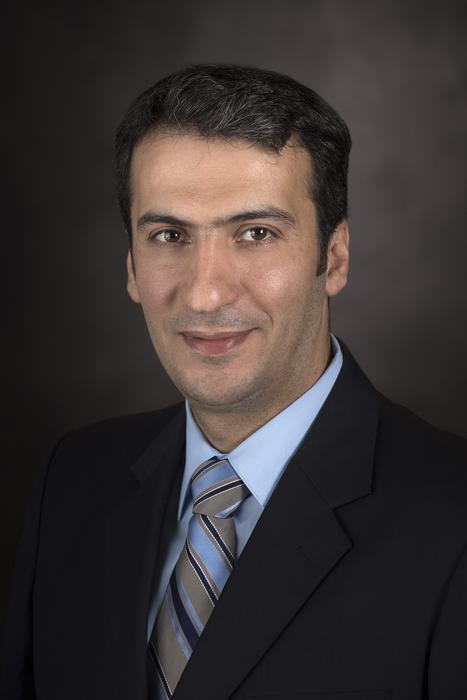

Credit: The University of Texas MD Anderson Cancer Center
SAN DIEGO ― Researchers from The University of Texas MD Anderson Cancer Center presented encouraging findings today from two clinical trials in a plenary session highlighting advances in novel immunotherapy approaches at the American Association for Cancer Research (AACR) Annual Meeting 2024. The studies describe the use of chimeric antigen receptor (CAR) T cell therapy in patients with advanced kidney cancer and an oncolytic immunotherapy for patients with skin cancer following organ transplants. Information on all MD Anderson AACR Annual Meeting content can be found at MDAnderson.org/AACR.
Novel allogenic CAR T cell therapy shows promising results in patients with advanced clear cell renal cell carcinoma (CT002)
Among patients with advanced clear cell renal cell carcinoma (ccRCC) who were treated with CTX130™, an allogeneic CAR T cell therapy, 81% experienced a clinical benefit, including 75% with stable disease, and one participant who experienced a durable complete response of more than three years.
Results from the COBALT-RCC study were presented today by Samer Srour, M.B.Ch.B., assistant professor of Stem Cell Transplantation & Cellular Therapy, and published concurrently in Cancer Discovery, a journal of the AACR.
“Our trial presents the first and the longest durable response we have seen with an allogeneic, off-the-shelf, CAR T cell therapy in the treatment of refractory solid tumors,” Srour said. “These findings are exciting and encouraging as we continue to improve treatment options for patients with clear cell renal cell carcinoma and other high-risk solid tumors who otherwise have poor outcomes.”
In this Phase I multi-center trial, researchers evaluated the safety and efficacy of CTX130, which targets CD70, a tumor antigen present at high levels in ccRCC. CD70 is known to have a role in the suppressive immune tumor microenvironment due to T cell exhaustion and regulatory T cell expansion, among other mechanisms.
Patients with metastatic ccRCC who do not benefit from current standard therapies have limited treatment options and a poor prognosis. CTX130 uses T cells from healthy donors edited to target CD70 and to disrupt the TRAC and β2M genes, which should reduce graft vs. host disease and donor rejection.
The trial enrolled 16 patients with a median age of 63 years in four dose-level cohorts. Researchers found an acceptable safety profile and encouraging antitumor activity with CTX130. Side effects were manageable.
The trial’s findings provide a proof of concept, meriting further exploration of CD70-targeted CAR T cell therapy in ccRCC and other CD70-positive cancers. Srour and his colleagues utilized findings from this trial to develop CTX131, which improves on CTX130, and currently are enrolling patients in a Phase I/II clinical trial (NCT05795595) to evaluate the new therapy.
The trial was sponsored by CRISPR Therapeutics. Srour reports no relevant disclosures. A full list of collaborating authors and their disclosures can be found with the full paper here.
Oncolytic immunotherapy shows anti-tumor activity in skin cancer patients following organ transplant (Abstract CT003)
Findings from the Phase Ib/II ARTACUS study, led by Michael Migden, M.D., professor of Dermatology, show that using an oncolytic immunotherapy called RP1, which is a modified herpes simplex virus (HSV-1), is an effective treatment option for solid organ transplant (SOT) recipients who have advanced non-melanoma skin cancer.
The data revealed the RP1 monotherapy was well tolerated and achieved an objective response rate of 34.8% and a complete response rate of 21.7%.
“Organ transplant recipients face an increased risk of non-melanoma skin cancers, and the standard treatment includes immune checkpoint inhibitors. Unfortunately, these therapies can cause rejection of the transplanted organ,” Migden said. “Data from this study suggest RP1 monotherapy offers a promising possible alternative for this vulnerable patient population.”
Oncolytic immunotherapy uses viruses to target and destroy cancer cells while also stimulating the body’s immune response against the tumor. The viruses are modified so they can selectively infect and replicate within cancer cells, leading to their destruction.
The trial followed 27 SOT recipients who had cutaneous squamous cell carcinoma or Merkel cell carcinoma and a median age of 68 years. Tumor biopsies were collected for biomarker analyses and HSV-1 immune status was monitored.
After RP1 treatment, participant tumor samples showed an increase in certain immune cells, called CD8+ T cells, entering the tumor, as well as a boost in the production of the immune checkpoint protein PD-L1 within the tumor cells. This suggested increased anti-tumor immune activation.
Adverse effects were minimal, including fatigue, chills and fever, and there was no evidence of transplant rejection.
This study was sponsored by Replimune. A full list of collaborating authors and their disclosures can be found here.
Read this press release in the MD Anderson Newsroom.
– 30 –
Cite Scienmag News
Nathaniel Bowman. (April 7, 2024). AACR: Novel immunotherapies show promise for patients with kidney cancer and for solid organ transplant recipients with skin cancer. Scienmag. https://scienmag.com/aacr-novel-immunotherapies-show-promise-for-patients-with-kidney-cancer-and-for-solid-organ-transplant-recipients-with-skin-cancer/
Nathaniel Bowman. "AACR: Novel immunotherapies show promise for patients with kidney cancer and for solid organ transplant recipients with skin cancer." Scienmag, 7 April 2024, https://scienmag.com/aacr-novel-immunotherapies-show-promise-for-patients-with-kidney-cancer-and-for-solid-organ-transplant-recipients-with-skin-cancer/. Accessed 3 September 2026.
Nathaniel Bowman. "AACR: Novel immunotherapies show promise for patients with kidney cancer and for solid organ transplant recipients with skin cancer." Scienmag. April 7, 2024. https://scienmag.com/aacr-novel-immunotherapies-show-promise-for-patients-with-kidney-cancer-and-for-solid-organ-transplant-recipients-with-skin-cancer/

