


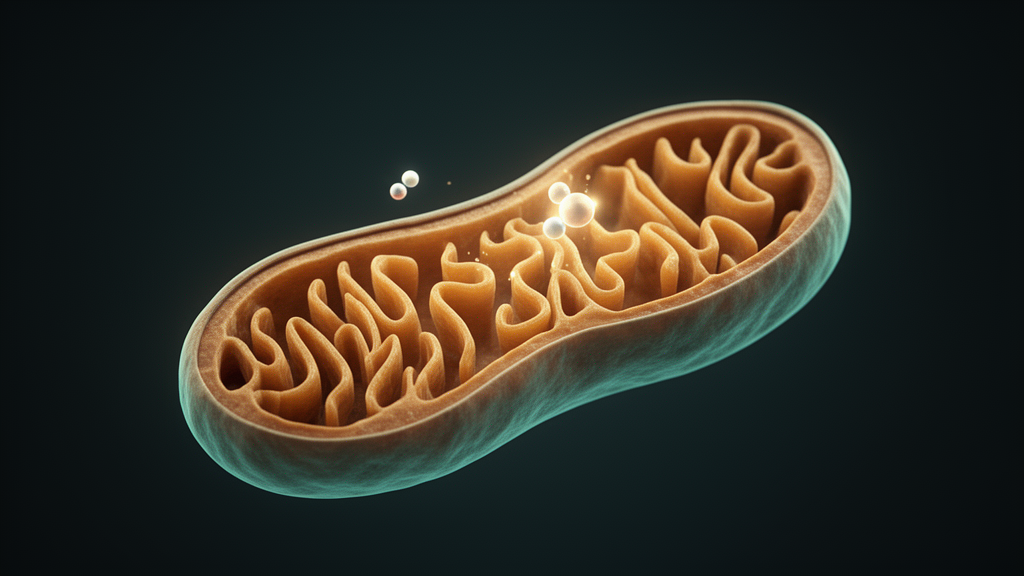
Deep inside the mitochondria of brain cells, an intricate folding of the inner membrane may hold clues to why so many stroke patients remain disabled even after blood flow is successfully restored. A review published in Frontiers in Pharmacology by Zhang and colleagues at Heilongjiang University of Chinese Medicine brings together structural biology and experimental stroke research to argue that the folds, called cristae, are not passive casualties of oxygen deprivation but active participants in the injury process and potential targets for treatment. The authors contend that understanding how these membrane structures remodel during ischemia and reperfusion could open a new front in the search for neuroprotective therapies that have so far proved elusive.
Stroke remains a leading cause of death and disability worldwide, with ischemic events accounting for approximately two-thirds of new cases in 2021. Mechanical thrombectomy has improved outcomes for selected patients with large-vessel occlusions, yet substantial disability persists even after successful recanalization. Adjunctive neuroprotective drugs have struggled to demonstrate consistent benefit in clinical trials. Nerinetide, for instance, did not improve the primary functional outcome in the ESCAPE-NEXT randomized trial conducted alongside thrombectomy. This persistent gap between restored blood flow and restored function motivates the review’s central question: whether the mitochondrial inner membrane, and specifically its folded cristae, can be preserved or repaired in the critical hours after reperfusion begins.
Cristae are invaginations of the mitochondrial inner membrane that organize the machinery of oxidative phosphorylation into distinct compartments. Their architecture depends on several molecular systems working in concert. The mitochondrial contact site and cristae organizing system, or MICOS, establishes narrow junctions where the cristae lumen connects to the intermembrane space. Recent structural work has revealed that MIC60, a central scaffold protein, forms an elongated bow tie-shaped tetramer whose curved membrane-binding surface fits the neck of the crista junction, functioning as a strut across the opening. Integrative modeling suggests MIC60 may also act as a diffusion barrier between the intracristal and intermembrane spaces, coupling junction geometry to molecular exchange.
Another key regulator is optic atrophy 1, or OPA1, a GTP-dependent protein that binds and reshapes the inner membrane. Human OPA1 structures identified a membrane-inserting loop within a paddle domain that stabilizes association with cardiolipin-rich membranes. The protein exists in long and short isoforms generated by proteolytic processing, and cryo-focused ion beam milling combined with in situ tomography has shown that the balance between these forms produces distinct crista architectures. Increased long OPA1 favored stacked cristae and elongated mitochondria, while greater short OPA1 contribution correlated with irregular packing and rounder organelles. Functional assays detected compromised respiration under isoform imbalance, linking the structural behavior of purified OPA1 to its ability to maintain mitochondrial organization in cells.
ATP synthase dimers shape the rims of cristae, and cardiolipin, an anionic phospholipid enriched in the inner membrane, provides the lipid environment that supports both crista-shaping and respiratory proteins. In situ cryo-electron tomography of algal mitochondria revealed helical rows of ATP synthase along crista ridges, with respiratory assemblies positioned in flatter membrane regions. Cardiolipin’s acyl composition affects membrane behavior in ways that can trigger abrupt topological changes. In engineered yeast, increasing lipid saturation moved the system across a mechanical instability that collapsed the folded cristae topology, with cardiolipin buffering the transition. This finding offers a possible explanation for nonlinear structural responses to gradually changing lipid environments during ischemia, when oxygen deprivation favors phospholipid saturation.
Experimental stroke models connect crista organization with tissue injury through several pathways. In rat ischemia-reperfusion and neuronal oxygen-glucose deprivation followed by reoxygenation, sorting and assembly machinery component 50, or SAMM50, increased in abundance while its association with MIC19 weakened. Lentiviral overexpression of SAMM50 before occlusion reduced infarction and neuronal death, improved neurobehavioral measures, and preserved mitochondrial structure and function. Conversely, knockdown shifted outcomes toward greater injury. Similarly, increasing sirtuin 3 promoted OPA1 deacetylation and activity in rat models of transient middle cerebral artery occlusion, improving ultrastructure and energy production alongside smaller infarcts and better neuromotor performance. OPA1 knockdown and pharmacological inhibition each partly attenuated this protection, supporting the conclusion that OPA1’s functional state contributes to the benefit.
Crista disruption also exposes mitochondrial DNA to inflammatory sensors in the cytosol. A mitochondrial genetic screen linked loss of MICOS components, OPA1, ATP synthase, and cardiolipin-related proteins to mitochondrial DNA release and type I interferon activation. In ischemic neurons, cytosolic oxidized mitochondrial DNA activated cyclic GMP-AMP synthase and stimulator of interferon genes, or cGAS-STING, and restricting release attenuated inflammation and neurological injury. In mouse stroke, neuronal interferon-activated gene 204 promoted STING-associated caspase-1 activation and gasdermin D cleavage, with the resulting amino-terminal fragment increasing mitochondrial permeability and exposing further mitochondrial DNA to cytosolic sensing. This creates a feedback loop in which released DNA sustains its own sensing and drives additional membrane damage. Neuron-specific deletion of Ifi204 reduced infarction and improved longer-term sensorimotor and cognitive outcomes.
Microglia, the brain’s resident immune cells, participate in this inflammatory cascade through their own crista assemblies. Caspase recruitment domain family member 19, or CARD19, increased in penumbral microglia after middle cerebral artery occlusion as an endogenous response to ischemia. Local knockdown driven by a Tmem119-Cre/ERT2 system disrupted microglial mitochondria and worsened stroke injury, with cultured microglia accumulating more reactive oxygen species and cytosolic mitochondrial DNA under oxygen-glucose deprivation. Interaction assays connected CARD19 with the mitochondrial intermembrane bridge components and detected weakened SAMM50-MIC19 binding under stress. Systemic deoxyribonuclease I partly reduced the additional infarction caused by knockdown, supporting a contribution from exposed DNA, though the releasing cell and precise membrane route remain unresolved.
Translating these findings into therapy faces a fundamental timing problem. Most genetic interventions that preserved mitochondrial structure and reduced injury were established before ischemia occurred, leaving the speed and feasibility of repair after stroke onset uncertain. Pharmacological modulation offers one route to address this gap. Icariin II, identified from a 640-compound phenotypic screen, bound triose phosphate isomerase 1 and promoted its association with ATP synthase membrane subunit f, increasing ATP synthase dimers. Reduced mitochondrial DNA exposure and STING signaling accompanied recovery of oxidative phosphorylation, and injury and inflammatory outcomes improved in rat stroke experiments. However, the interval to the first dose and free drug exposure within microglial mitochondria were not established, limiting what can be inferred about the treatment window.
Cardiolipin-directed treatment provides another approach with existing clinical experience. Elamipretide, a cardiolipin-binding peptide, received accelerated approval from the U.S. Food and Drug Administration in September 2025 for improving muscle strength in patients with Barth syndrome, though it did not improve primary functional endpoints in a randomized trial of mitochondrial myopathy. Its relevance to crista repair in stroke would need to be established by relating brain exposure to cardiolipin composition, membrane organization, and respiratory recovery. Mitochondrial antioxidant nanomedicine, including a ceria nanoenzyme system combining mitochondrial targeting with catalytic control of reactive oxygen species, offers a complementary strategy for protecting the lipid and protein environment needed for membrane recovery during reperfusion.
Delivery of functional mitochondrial material represents a further avenue. Mitochondria-containing extracellular vesicles from human umbilical cord mesenchymal stromal cells improved neuronal mitochondrial measurements and rat stroke outcomes, with recipient cardiolipin synthase 1 linked to lipid recovery. Sequential targeting to injured tissue and neuronal mitochondria improved oxidative and inflammatory measurements in experimental cerebral ischemia. The review emphasizes that access to the brain and access to the intended mitochondrial compartment are distinct stages, and that an effective formulation must combine delivery to the relevant neural or vascular cell with release of active cargo near its mitochondrial target.
The review proposes a staged therapeutic framework in which an early intervention moderates substrate-driven oxidative stress or calcium-dependent permeability during reperfusion, while a subsequent intervention supports membrane assembly, lipid recovery, or mitochondrial quality control. Reperfusion supplies a defined time point for drug delivery. In mice, intra-arterial acidified malonate at reperfusion reduced 24-hour infarct volume by approximately 60 percent, and intravenous cyclosporine A given five minutes before reperfusion improved calcium retention and oxidative phosphorylation, though neither experiment established that crista preservation mediated the benefit. Later dosing addresses mitochondrial clearance and inflammation during recovery, with vesicles carrying circular RNA SCMH1 improving motor recovery when given 24 hours after photothrombotic stroke.
Progress toward treatment will require evidence that a candidate reaches the affected brain cells, modifies the intended membrane assembly, and produces lasting neurological benefit. The review calls for three-dimensional cryo-electron tomography with prespecified regions and separate measures of junctions, lumen width, and lamellar organization to describe the membrane feature engaged by treatment, paired with respiration and survival measurements from matched biological samples. Repeated sampling at early and later reperfusion intervals would test whether structural recovery precedes improvement in respiration or accompanies it. The authors argue that this approach would help select candidates whose effects on cristae support lasting benefit after stroke, and would establish when an assembly remains modifiable and when protection is lost despite its restoration.
Subject of Research: Mitochondrial cristae remodeling in ischemic stroke and its therapeutic potential
Article Title: Mitochondrial cristae remodeling in ischemic stroke: mechanisms and therapeutic perspectives
Article References: Zhang, D., Zhang, H., Tu, R., Zhang, S., Tian, H., Meng, Y., Lv, X., & Yin, H. (2026). Mitochondrial cristae remodeling in ischemic stroke: mechanisms and therapeutic perspectives. Frontiers in Pharmacology, 17, Article 2017406. https://doi.org/10.3389/fphar.2026.2017406
Image Credits: AI Generated
DOI: 10.3389/fphar.2026.2017406
Keywords: mitochondria, cristae, ischemic stroke, OPA1, MICOS, cardiolipin, ATP synthase, neuroinflammation, reperfusion, neuroprotection, mitochondrial DNA, cGAS-STING
Cite Scienmag News
Cassandra Pierce. (October 26, 2026). Mitochondrial Cristae Emerge as Therapeutic Target in Ischemic Stroke. Scienmag. https://scienmag.com/mitochondrial-cristae-emerge-as-therapeutic-target-in-ischemic-stroke/
Cassandra Pierce. "Mitochondrial Cristae Emerge as Therapeutic Target in Ischemic Stroke." Scienmag, 26 October 2026, https://scienmag.com/mitochondrial-cristae-emerge-as-therapeutic-target-in-ischemic-stroke/. Accessed 26 October 2026.
Cassandra Pierce. "Mitochondrial Cristae Emerge as Therapeutic Target in Ischemic Stroke." Scienmag. October 26, 2026. https://scienmag.com/mitochondrial-cristae-emerge-as-therapeutic-target-in-ischemic-stroke/


