

Thursday, October 22, 2026
Science
No Result
View All Result
  • Login
  • HOME
  • SCIENCE NEWS
  • CONTACT US
  • HOME
  • SCIENCE NEWS
  • CONTACT US
No Result
View All Result
Scienmag
No Result
View All Result
Home Science News Marine

Three estuarine fish species show genetic resilience to extreme heat

October 22, 2026
in Marine
Juliet Wilcox
By Juliet Wilcox Scienmag Editorial Profile - Human Genetics
Reading Time: 2 mins read
0
Three estuarine fish species show genetic resilience to extreme heat

Three estuarine fish species show genetic resilience to extreme heat

65
SHARES
587
VIEWS
Share on FacebookShare on Twitter
ADVERTISEMENT

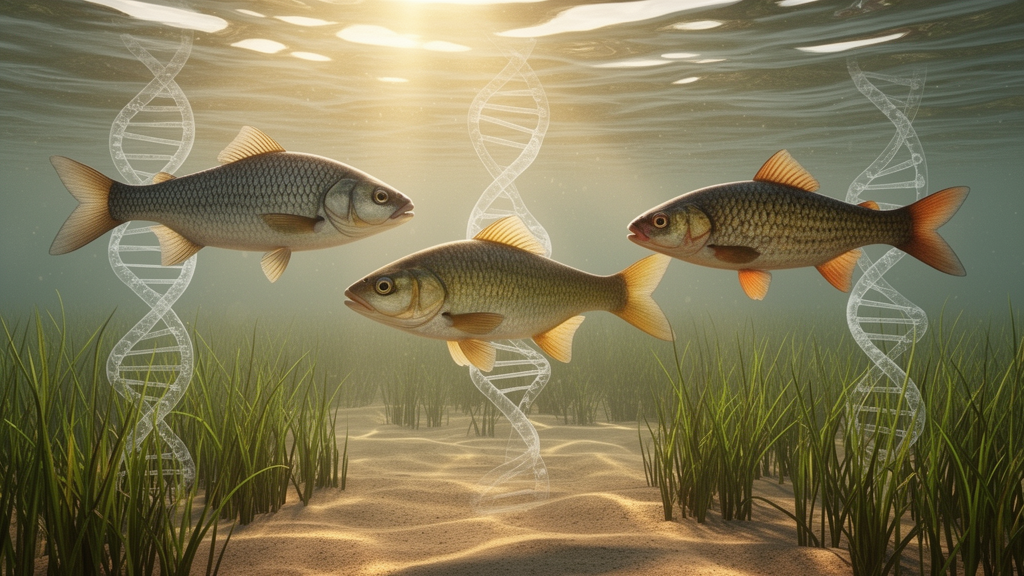
Yellowfin bream, sand whiting and tarwhine possess a genetic ability to withstand extreme temperature conditions, according to a peer-reviewed study led by Adelaide University researchers and published in Global Change Biology. The study focused on three economically important estuarine fish species that inhabit habitats with widely variable temperatures and characterized all three as “thermal generalists.” The supplied research summary does not report numerical survival measurements, experimental temperatures or statistical estimates of thermal tolerance, so it does not establish how far these populations can persist under prolonged ocean warming.

Project leader Professor Ivan Nagelkerken, of Adelaide University’s School of Biological Sciences, said climatic extremes are increasing in frequency, intensity and duration across Earth’s biomes as a consequence of anthropogenic climate change. In aquatic systems, climatic extremes can rapidly restructure communities, disrupt ecosystem functioning and compromise ecosystem services, including fisheries productivity. The study examined the resilience of yellowfin bream, sand whiting and tarwhine and attributed their ability to tolerate extreme conditions to genetic traits. The findings indicate that inherited differences in thermal tolerance may influence how estuarine species respond to future warming.

Dr Angus Mitchell performed the study, which focused on the three species because of their important role in the fisheries industry. Yellowfin bream and sand whiting are among the most commonly caught inshore species by recreational and commercial fishers on Australia’s east coast. Because these are species taken home by fishers, the research examined their capacity to cope with warming estuaries, a question with direct relevance to fisheries supporting coastal communities. The source does not provide catch totals, economic values, catch projections or a direct forecast of future fish abundance.

The results do not indicate that all marine species can withstand continued warming. Many marine habitats are already experiencing changes in species distribution as waters warm, with tropical species moving farther south and changing which fish support local fisheries. Nagelkerken said estuarine species with broad thermal tolerance may hold their ground, but that this resilience will not extend to species with narrower limits, such as coral reef fishes. The evidence therefore supports a distinction between the tested estuarine “thermal generalists” and species with narrower temperature limits, rather than showing that warming has no ecological consequences for marine fish.

Genetic thermal resilience also does not remove other threats facing estuaries. The research release notes that estuaries are increasingly subject to human pressures such as pollution and overfishing. It presents the findings as a qualified sign of potential resilience, not a guarantee of secure fisheries, and emphasizes the need to manage estuaries well to sustain species that may be comparatively resilient to future climate conditions. No specific management measures or environmental thresholds were evaluated, and the study does not establish the relative importance of warming, pollution, overfishing or other pressures for the long-term persistence of these three species.

Subject of Research: Genetic thermal resilience in three economically important estuarine fish species

Article Title: Some fish might thrive in a warming climate

Article References: Some fish might thrive in a warming climate. Original publication (Bibliographic details unavailable.)

Image Credits: AI Generated

DOI: Not provided

Keywords: climate change, ocean warming, estuarine fish, thermal tolerance, yellowfin bream, sand whiting, tarwhine, fisheries resilience, species redistribution, estuarine management, Some, fish

Cite Scienmag News

Juliet Wilcox. (October 22, 2026). Three estuarine fish species show genetic resilience to extreme heat. Scienmag. https://scienmag.com/three-estuarine-fish-species-show-genetic-resilience-to-extreme-heat/

Juliet Wilcox. "Three estuarine fish species show genetic resilience to extreme heat." Scienmag, 22 October 2026, https://scienmag.com/three-estuarine-fish-species-show-genetic-resilience-to-extreme-heat/. Accessed 22 October 2026.

Juliet Wilcox. "Three estuarine fish species show genetic resilience to extreme heat." Scienmag. October 22, 2026. https://scienmag.com/three-estuarine-fish-species-show-genetic-resilience-to-extreme-heat/


Tags: adaptive capacity of yellowfin breamanthropogenic climate change and marine speciesclimate changeclimate change impacts on fisherieseffects of climate extremes on aquatic communitiesestuarine ecosystem resilienceestuarine fishEstuarine fish thermal resilienceestuarine managementfishfisheries productivity under climate stressfisheries resiliencegenetic adaptation to extreme heatgenetic diversity in estuarine fishgenetic traits of fish speciesocean warmingsand whitingsand whiting and tarwhinesomespecies redistributiontarwhinethermal tolerancetolerance to ocean warmingyellowfin bream
Share26Tweet16
Previous Post

Research report: Clinical characteristics and half-year outcomes of 53 children with severe adenovirus pneumonia complicated with encephalitis or encephalopathy

Next Post

Bibliometric map shows AI research surge in bone metastasis

Related Posts

Solar-powered resource separator for clean water production, electricity generation and critical resource recovery
Marine

Solar-powered resource separator for clean water production, electricity generation and critical resource recovery

October 21, 2026
NOAA funds FAU study of persistent harmful algal blooms
Marine

NOAA funds FAU study of persistent harmful algal blooms

October 21, 2026
CMIP6 models reveal a slowing southward spread of AMOC weakening
Marine

CMIP6 models reveal a slowing southward spread of AMOC weakening

October 21, 2026
South China Sea heatwaves reveal contrasting regional chlorophyll responses
Marine

South China Sea heatwaves reveal contrasting regional chlorophyll responses

October 21, 2026
Poor ocean conditions prolong marbled murrelet chick vulnerability to predators
Marine

Poor ocean conditions prolong marbled murrelet chick vulnerability to predators

October 21, 2026
Acoustic study links Omura’s whales to warm, productive waters
Marine

Acoustic study links Omura’s whales to warm, productive waters

October 20, 2026
Next Post
Bibliometric map shows AI research surge in bone metastasis

Bibliometric map shows AI research surge in bone metastasis

  • Mothers who receive childcare support from maternal grandparents show more optimized

    Mothers who receive childcare support from maternal grandparents show more parental warmth, finds NTU Singapore study

    27656 shares
    Share 11059 Tweet 6912
  • University of Seville Breaks 120-Year-Old Mystery, Revises a Key Einstein Concept

    1061 shares
    Share 424 Tweet 265
  • Bee body mass, pathogens and local climate influence heat tolerance

    682 shares
    Share 273 Tweet 171
  • Researchers record first-ever images and data of a shark experiencing a boat strike

    546 shares
    Share 218 Tweet 137
  • Groundbreaking Clinical Trial Reveals Lubiprostone Enhances Kidney Function

    531 shares
    Share 212 Tweet 133
Science

Embark on a thrilling journey of discovery with Scienmag.com—your ultimate source for cutting-edge breakthroughs. Immerse yourself in a world where curiosity knows no limits and tomorrow’s possibilities become today’s reality!

RECENT NEWS

  • Bibliometric map shows AI research surge in bone metastasis
  • Three estuarine fish species show genetic resilience to extreme heat
  • Research report: Clinical characteristics and half-year outcomes of 53 children with severe adenovirus pneumonia complicated with encephalitis or encephalopathy
  • Protonation reshapes MmpL3 to coordinate mycobacterial lipid transport

Categories

  • Agriculture
  • Anthropology
  • Archaeology
  • Athmospheric
  • Biology
  • Biotechnology
  • Blog
  • Bussines
  • Cancer
  • Chemistry
  • Climate
  • Earth Science
  • Editorial Policy
  • Marine
  • Mathematics
  • Medicine
  • Pediatry
  • Policy
  • Psychology & Psychiatry
  • Science Education
  • Science News
  • Social Science
  • Space
  • Technology and Engineering

Subscribe to Blog via Email

Enter your email address to subscribe to this blog and receive notifications of new posts by email.

Join 5,151 other subscribers

© 2025 Scienmag - Science Magazine

Welcome Back!

Login to your account below

Forgotten Password?

Retrieve your password

Please enter your username or email address to reset your password.

Log In
No Result
View All Result
  • HOME
  • SCIENCE NEWS
  • CONTACT US

© 2025 Scienmag - Science Magazine

Discover more from Science

Subscribe now to keep reading and get access to the full archive.

Continue reading