

Wednesday, October 21, 2026
Science
No Result
View All Result
  • Login
  • HOME
  • SCIENCE NEWS
  • CONTACT US
  • HOME
  • SCIENCE NEWS
  • CONTACT US
No Result
View All Result
Scienmag
No Result
View All Result
Home Science News Medicine

Genetically elevated eosinophil counts linked to AMD in European cohorts

October 21, 2026
in Medicine
Ophelia Keating
By Ophelia Keating Scienmag Editorial Profile - Health Services Research
Reading Time: 2 mins read
0
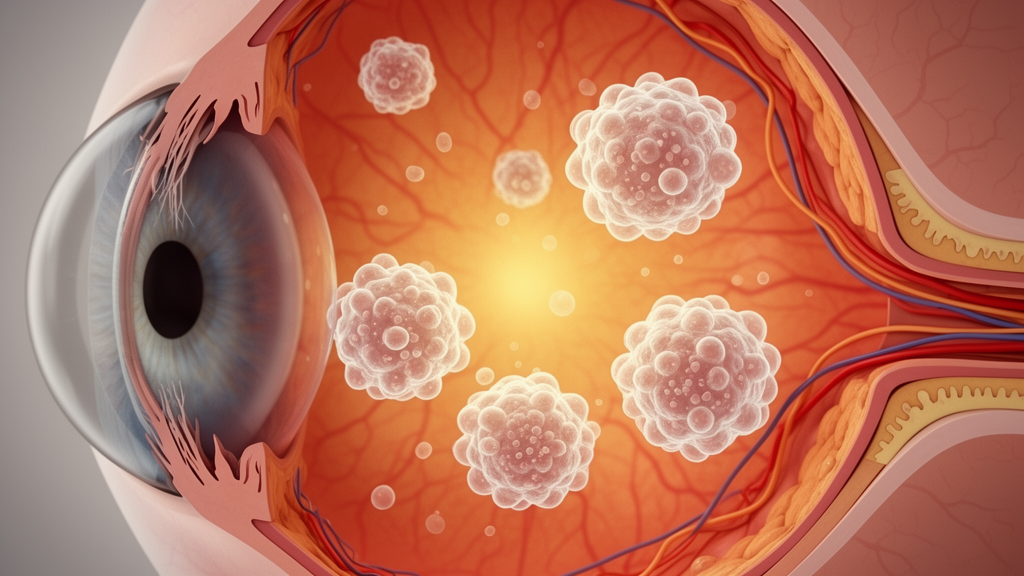
Genetically elevated eosinophil counts linked to AMD in European cohorts

Genetically elevated eosinophil counts linked to AMD in European cohorts

65
SHARES
587
VIEWS
Share on FacebookShare on Twitter
ADVERTISEMENT

A combined observational and genetic analysis found that higher blood eosinophil counts were associated with an increased risk of developing clinically diagnosed age-related macular degeneration, or AMD. The study included 792,084 people of European ancestry from three prospective cohorts: 117,714 in the Copenhagen General Population Study, 388,758 in the UK Biobank and 285,612 in the Million Veteran Program. None had been clinically diagnosed with AMD at baseline, and the cohorts yielded 27,130 incident cases during follow-up.

Researchers measured baseline leukocyte counts in the Copenhagen General Population Study and UK Biobank, then used Cox regression to estimate their associations with subsequently diagnosed AMD. The results from the two cohorts were meta-analyzed. The investigators also used genetic instruments derived from genome-wide association studies to conduct one-sample Mendelian randomization and multivariable Mendelian randomization in the UK Biobank and Million Veteran Program.

These genetic analyses were designed to assess whether inherited variations associated with leukocyte counts supported a causal relationship with AMD rather than merely reproducing the observational association. Observationally, a one-standard-deviation increase in the total leukocyte count was associated with a 7% higher hazard of clinically diagnosed AMD, with a hazard ratio of 1.07 and a 95% confidence interval of 1.05 to 1.09. Neutrophil counts showed the same estimated increase: a hazard ratio of 1.07, also with a 95% confidence interval of 1.05 to 1.09.

A one-standard-deviation increase in monocyte, basophil and eosinophil counts was associated with hazard ratios of 1.05, 1.06 and 1.05, respectively, with respective 95% confidence intervals of 1.03 to 1.07, 1.04 to 1.08 and 1.03 to 1.06. All five observational associations had p-values below 0.0001. The genetic evidence pointed most specifically to eosinophil counts.

In the one-sample Mendelian randomization analysis, a one-standard-deviation increase in genetically determined eosinophil count was causally associated with a 7% increase in the odds of clinically diagnosed AMD. The estimated odds ratio was 1.07, with a 95% confidence interval of 1.00 to 1.15 and p = 0.038. Multivariable Mendelian randomization produced an odds ratio of 1.12, with a 95% confidence interval of 1.03 to 1.21 and p = 0.006.

Estimates from the genetic analyses were then meta-analyzed, leading the authors to conclude that elevated eosinophil counts are causally linked to the risk of clinically diagnosed AMD and that systemic eosinophil-driven immune pathways may contribute to AMD pathogenesis. The study’s findings apply to the European-ancestry populations included in the three cohorts, and the reported endpoint was clinically diagnosed AMD. The results therefore do not quantify the risk faced by an individual with a particular eosinophil count, nor do they show that every person with elevated eosinophils will develop AMD.

The central distinction is between the prospective observations and the genetic evidence: higher counts of several leukocyte subtypes were associated with subsequent AMD diagnoses, while the Mendelian randomization analyses specifically supported a causal association for genetically elevated eosinophil counts.

Subject of Research: Leukocyte counts and incident age-related macular degeneration in three prospective European-ancestry cohorts.

Article Title: Leukocytes and age-related macular degeneration

Article References: Sandau, N., Gorman, B. R., Luo, J., Peachey, N. S., Nordestgaard, B. G., Tybjaerg-Hansen, A., Thomassen, J. Q., Iyengar, S. K., & Frikke-Schmidt, R. (2026). Leukocytes and age-related macular degeneration. European Journal of Epidemiology. https://doi.org/10.1007/s10654-026-01471-6

Image Credits: AI Generated

DOI: 10.1007/s10654-026-01471-6

Keywords: age-related macular degeneration, eosinophils, leukocytes, Mendelian randomization, prospective cohorts, immune pathways, vision loss, UK Biobank, Copenhagen General Population Study, Million Veteran Program, age-related, macular

Cite Scienmag News

Ophelia Keating. (October 21, 2026). Genetically elevated eosinophil counts linked to AMD in European cohorts. Scienmag. https://scienmag.com/genetically-elevated-eosinophil-counts-linked-to-amd-in-european-cohorts/

Ophelia Keating. "Genetically elevated eosinophil counts linked to AMD in European cohorts." Scienmag, 21 October 2026, https://scienmag.com/genetically-elevated-eosinophil-counts-linked-to-amd-in-european-cohorts/. Accessed 21 October 2026.

Ophelia Keating. "Genetically elevated eosinophil counts linked to AMD in European cohorts." Scienmag. October 21, 2026. https://scienmag.com/genetically-elevated-eosinophil-counts-linked-to-amd-in-european-cohorts/


Tags: Age-relatedage-related macular degenerationblood biomarkers for age-related macular degenerationcausal links between blood cell counts and eye diseasesCopenhagen General Population Studyeosinophil blood counteosinophilsEuropean cohort studies on AMDgenetic association with AMDgenetic determinants of immune cell countsimmune pathwaysimmune system involvement in AMDinflammation and AMD developmentleukocyte counts and AMD riskleukocytesmacularMendelian randomizationMendelian randomization in eye diseasesMillion Veteran Programprospective cohort analysis of AMDprospective cohortsUK Biobankvision loss
Share26Tweet16
Previous Post

Hypothesis proposes auxiliary brain for severe stroke restoration

Next Post

CMIP6 study projects hotter multi-day extremes in 54 Indian cities

Related Posts

Hypothesis proposes auxiliary brain for severe stroke restoration
Medicine

Hypothesis proposes auxiliary brain for severe stroke restoration

October 21, 2026
From Spectra to Clinical Insight: Raman Spectroscopy in Kidney Transplant Monitoring and Donor Assessment
Medicine

From Spectra to Clinical Insight: Raman Spectroscopy in Kidney Transplant Monitoring and Donor Assessment

October 21, 2026
German trial protocol tests interprofessional outpatient care for older adults
Medicine

German trial protocol tests interprofessional outpatient care for older adults

October 21, 2026
Controlled lab study improves diatom recovery in forensic testing
Medicine

Controlled lab study improves diatom recovery in forensic testing

October 21, 2026
Meta-analysis estimates 6.2% infant HIV prevalence in Ethiopia
Medicine

Meta-analysis estimates 6.2% infant HIV prevalence in Ethiopia

October 21, 2026
Stem-cell craniofacial therapy shows similar early patient-reported outcomes
Medicine

Stem-cell craniofacial therapy shows similar early patient-reported outcomes

October 21, 2026
Next Post
CMIP6 study projects hotter multi-day extremes in 54 Indian cities

CMIP6 study projects hotter multi-day extremes in 54 Indian cities

  • Mothers who receive childcare support from maternal grandparents show more optimized

    Mothers who receive childcare support from maternal grandparents show more parental warmth, finds NTU Singapore study

    27656 shares
    Share 11059 Tweet 6912
  • University of Seville Breaks 120-Year-Old Mystery, Revises a Key Einstein Concept

    1061 shares
    Share 424 Tweet 265
  • Bee body mass, pathogens and local climate influence heat tolerance

    682 shares
    Share 273 Tweet 171
  • Researchers record first-ever images and data of a shark experiencing a boat strike

    546 shares
    Share 218 Tweet 137
  • Groundbreaking Clinical Trial Reveals Lubiprostone Enhances Kidney Function

    531 shares
    Share 212 Tweet 133
Science

Embark on a thrilling journey of discovery with Scienmag.com—your ultimate source for cutting-edge breakthroughs. Immerse yourself in a world where curiosity knows no limits and tomorrow’s possibilities become today’s reality!

RECENT NEWS

  • CMIP6 study projects hotter multi-day extremes in 54 Indian cities
  • Genetically elevated eosinophil counts linked to AMD in European cohorts
  • Hypothesis proposes auxiliary brain for severe stroke restoration
  • GLIS3 regulates astrocyte differentiation in human stem cells

Categories

  • Agriculture
  • Anthropology
  • Archaeology
  • Athmospheric
  • Biology
  • Biotechnology
  • Blog
  • Bussines
  • Cancer
  • Chemistry
  • Climate
  • Earth Science
  • Editorial Policy
  • Marine
  • Mathematics
  • Medicine
  • Pediatry
  • Policy
  • Psychology & Psychiatry
  • Science Education
  • Science News
  • Social Science
  • Space
  • Technology and Engineering

Subscribe to Blog via Email

Enter your email address to subscribe to this blog and receive notifications of new posts by email.

Join 5,150 other subscribers

© 2025 Scienmag - Science Magazine

Welcome Back!

Login to your account below

Forgotten Password?

Retrieve your password

Please enter your username or email address to reset your password.

Log In
No Result
View All Result
  • HOME
  • SCIENCE NEWS
  • CONTACT US

© 2025 Scienmag - Science Magazine

Discover more from Science

Subscribe now to keep reading and get access to the full archive.

Continue reading