


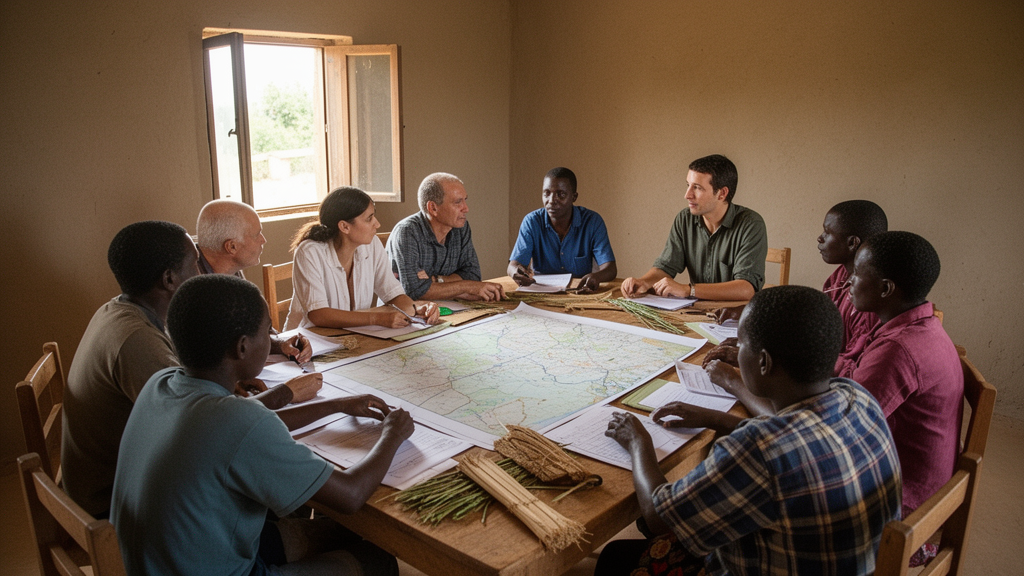
An ethnographic pilot study of rural Ugandan communities found that self-organized groups, including Village Savings and Loan Associations and Self-Help Groups, contributed to social and economic empowerment by expanding access to savings, credit, life skills and social networks. The findings indicate that these groups help communities address financial, health and social challenges, particularly for women and other marginalized participants, while also creating opportunities for youth engagement, entrepreneurship and inclusive development. Researchers used an interpretive philosophy and ethnographic methods to examine the role of self-organized groups in rural Uganda.
The study considered both Village Savings and Loan Associations and Self-Help Groups as community-led institutions. Its reported findings show that savings and loan activities provided access to financial resources, while life-skills support and group networks helped members respond to social and economic constraints. The study also identified opportunities for greater participation by young people and for the development of inclusive community initiatives.
The research reported barriers that can limit the effectiveness of these organizations. Mistrust among participants, limited resources and inadequate government support emerged as important constraints. The authors emphasized transparent resource management, improved policy support and stronger partnerships with nongovernmental organizations to enhance the sustainability of self-organized-group initiatives.
Because the supplied article preview does not report a sample size, fieldwork dates, comparison groups or quantitative effect estimates, the research cannot establish how large any changes were or whether group membership alone produced them. The available evidence nevertheless supports the reported contribution of self-organized groups to community development through financial access, skills and social connections. The pilot findings also suggest that the groups remain relevant to community resilience and sustainable development in rural areas, while their longer-term effectiveness depends on addressing the trust, resource and institutional-support problems identified in the study.
Subject of Research: An ethnographic pilot study of self-organized groups and empowerment in rural Ugandan communities.
Article Title: Empowering rural communities through self-organized groups: insights from the pilot study findings
Article References: Kusiima, W., Kyambade, M., Kiggundu, T., Sewante, L., Negesa, F., & Mutiibwa, A. (2026). Empowering rural communities through self-organized groups: insights from the pilot study findings. SN Social Sciences, 6(11), Article 562. https://doi.org/10.1007/s43545-026-01847-1
Image Credits: AI Generated
DOI: 10.1007/s43545-026-01847-1
Keywords: rural Uganda, self-help groups, savings groups, village savings, community empowerment, social networks, financial access, rural development, ethnographic research, Empowering, rural, communities
Cite Scienmag News
Courtney Benton. (October 20, 2026). Empowering rural communities through self-organized groups: insights from the pilot study findings. Scienmag. https://scienmag.com/empowering-rural-communities-through-self-organized-groups-insights-from-the-pilot-study-findings/
Courtney Benton. "Empowering rural communities through self-organized groups: insights from the pilot study findings." Scienmag, 20 October 2026, https://scienmag.com/empowering-rural-communities-through-self-organized-groups-insights-from-the-pilot-study-findings/. Accessed 20 October 2026.
Courtney Benton. "Empowering rural communities through self-organized groups: insights from the pilot study findings." Scienmag. October 20, 2026. https://scienmag.com/empowering-rural-communities-through-self-organized-groups-insights-from-the-pilot-study-findings/


