


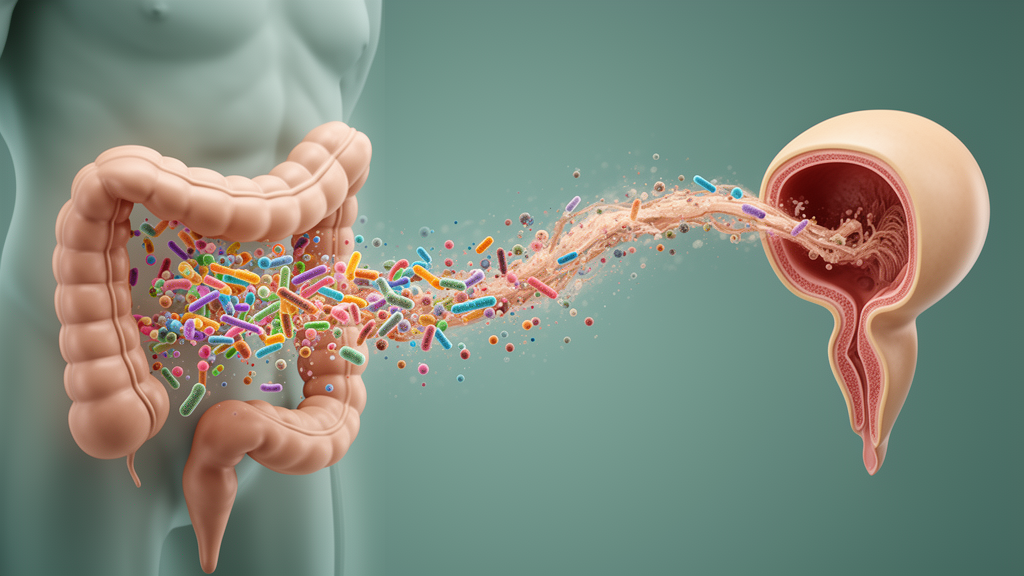
Benign prostatic hyperplasia (BPH) is one of the most common age-related conditions in men, characterized by non-malignant proliferation of stromal and epithelial cells within the prostate. It is influenced by androgen signaling, ageing, obesity, metabolic dysfunction, and chronic inflammation. Now, a growing body of evidence suggests that the trillions of microbes residing in the human gut may play a far more direct role in the development and progression of this condition than previously appreciated, through what researchers are calling the gut–prostate axis.
The human gut harbors a complex microbial ecosystem comprising thousands of bacterial species whose metabolites and immune-modulatory activities influence host physiology throughout the body. Alterations in microbial composition and function have been associated with numerous chronic inflammatory and metabolic disorders. Emerging clinical and preclinical evidence now indicates that gut dysbiosis may also be linked to prostate enlargement and lower urinary tract symptoms (LUTS), the hallmark complaints of BPH.
Proposed mechanisms connecting gut microbes to the prostate include altered production of short-chain fatty acids (SCFAs), impaired intestinal barrier integrity with increased lipopolysaccharide (LPS) translocation, Toll-like receptor (TLR) signaling, changes in tryptophan and serotonin metabolism, vagal pathways, and systemic cytokine-mediated inflammation. When gut microbes ferment dietary fiber, they produce SCFAs such as butyrate, propionate, and acetate. These molecules engage G-protein-coupled receptors including FFA2, FFA3, and GPR109A, and inhibit histone deacetylase, thereby regulating gene expression and enhancing anti-inflammatory pathways. When dysbiosis occurs, SCFA production decreases and pro-inflammatory factors increase.
SCFAs also play a fundamental role in maintaining intestinal barrier function by increasing expression of occludin and claudin genes. Decreased expression of these tight-junction proteins allows pro-inflammatory molecules from gram-negative bacteria, such as LPS, to enter the bloodstream. Once in circulation, LPS can induce prostatic hyperplasia by acting through TLR4, upregulating nuclear factor-kappa B (NF-κB), which in turn activates the inflammasome complex and caspase-1, producing a profound pro-inflammatory effect.
Tryptophan, an essential amino acid derived from dietary sources and also produced by Bifidobacteria, represents another critical pathway. Research has shown that intake of Bifidobacterium longum 35624 significantly increases blood tryptophan levels. This microbial source of tryptophan decreases with age as Bifidobacterium levels drop, although centenarians tend to maintain tryptophan levels. High levels of tryptophan are associated with high levels of serotonin (5-HT) in the prostate, which inhibits prostate growth by reducing androgen receptor activity. Studies using 5-hydroxytryptophan as a potential treatment for BPH are ongoing, although the use of serotonin reuptake inhibitors for depression indicates a potential for urinary retention, underscoring the complexity of this pathway.
The vagus nerve, cranial nerve X, is a long meandering nerve innervating most organs in the thorax and abdomen and is now known to play a regulatory role in the pelvic area, including the prostate. Certain gut bacteria use the vagus nerve for communication purposes. Lactobacillus reuteri JB-1, which has anti-inflammatory properties, is one such strain that cannot function if the vagus nerve is severed. Notably, patients who underwent a truncal vagotomy show a lower incidence of BPH than those who did not, providing further evidence for the impact of the vagus nerve on prostate function.
Conditions associated with increased production of inflammatory cytokines raise the risk of BPH. Men with inflammatory bowel disease (IBD), including both Crohn’s disease and ulcerative colitis, have higher levels of PSA and an increased risk of BPH and prostate cancer. In fact, prostate inflammation is considered an extraintestinal manifestation of IBD. Irritable bowel syndrome (IBS) is also associated with increases in pro-inflammatory cytokines, and patients with IBS have an increased risk of BPH. Cortisol, the principal stress hormone, may also be involved; gut microbes such as Bifidobacterium longum have been shown to reduce cortisol levels, and stress is recognized as exacerbating BPH symptoms.
Diet plays a decisive role in shaping microbiota composition. The Mediterranean diet, rich in fruits, vegetables, grains, fermented foods, and polyunsaturated fatty acids, is associated with greater abundance of Prevotella and short-chain fatty acids. Those with low adherence show higher urinary trimethylamine oxide (TMAO), which has associations with gut dysfunction, cardiovascular disease, and BPH. Vegetarian and vegan diets lead to a unique gut microbiota profile characterized by reduced levels of pathobionts. In contrast, a high-fat diet decreases Bacteroidetes and increases Firmicutes, effects associated with increased gut permeability and peripheral inflammation. Red meat and other animal-based proteins increase the risk of BPH, while plant-based proteins appear protective.
Pharmacotherapy of BPH has improved little in recent years, with alpha-1 blockers such as tamsulosin and 5-alpha reductase inhibitors such as finasteride at the forefront of therapy. While research on the role of gut microbes in BPH is still in its early stages, it raises the possibility of new pharmacological treatments targeting microbes, microbial metabolites, and their receptors. A recent preclinical study indicates that B. longum and B. psychraeophilum reduced oxidative species and restored androgen levels to normal physiological levels, mitigating the effect of disease. Similar findings have been reported for Akkermansia muciniphila. These studies require replication in a large patient population.
It is clear that gut microbes play an important role in maintaining health, and with unhealthy ageing, the gut microbiota loses diversity. BPH is a highly prevalent disorder which increases with age. Accumulating evidence suggests that gut microbes can alter prostate function through SCFAs, tryptophan, the vagus nerve, and altered gut permeability leading to increased LPS. This does not downplay the importance of androgens in the pathophysiology. One major deficit in research to date on the gut-prostate axis is that much of the published work is preclinical, conducted in rodents. More intervention studies in patients with BPH are required to translate these emerging insights into meaningful clinical benefit.
Subject of Research: Gut microbes and benign prostatic hyperplasia: the role of dysbiosis
Article Title: Gut microbes and benign prostatic hyperplasia: the role of dysbiosis
Article References: Treacy, G., Dinan, K., & Dinan, T. G. (2026). Gut microbes and benign prostatic hyperplasia: the role of dysbiosis. Frontiers in Urology, 6, Article 1959570. https://doi.org/10.3389/fruro.2026.1959570
Image Credits: AI Generated
DOI: 10.3389/fruro.2026.1959570
Keywords: microbes, benign, prostatic, hyperplasia, role, dysbiosis, scientific research
Cite Scienmag News
Morgan Morrow. (October 17, 2026). Gut microbes and benign prostatic hyperplasia: the role of dysbiosis. Scienmag. https://scienmag.com/gut-microbes-and-benign-prostatic-hyperplasia-the-role-of-dysbiosis/
Morgan Morrow. "Gut microbes and benign prostatic hyperplasia: the role of dysbiosis." Scienmag, 17 October 2026, https://scienmag.com/gut-microbes-and-benign-prostatic-hyperplasia-the-role-of-dysbiosis/. Accessed 17 October 2026.
Morgan Morrow. "Gut microbes and benign prostatic hyperplasia: the role of dysbiosis." Scienmag. October 17, 2026. https://scienmag.com/gut-microbes-and-benign-prostatic-hyperplasia-the-role-of-dysbiosis/


