


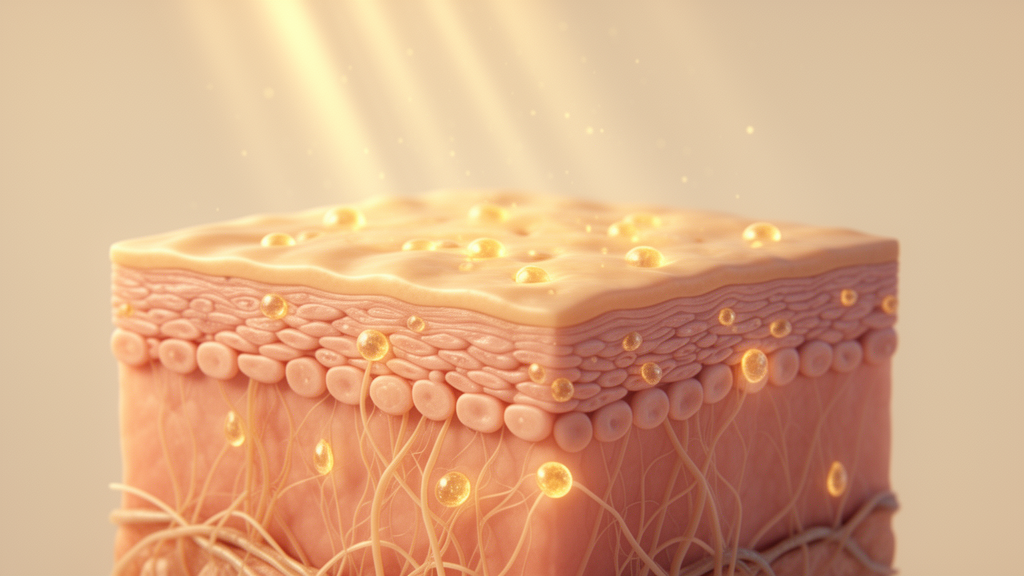
Human skin is never truly at rest under the sun. Every moment outdoors, it absorbs a continuous stream of electromagnetic radiation spanning ultraviolet, visible, and longer wavelengths, and each slice of that spectrum triggers its own molecular cascade. A new editorial published in Frontiers in Photobiology by Indermeet Kohli of Henry Ford Health and Yolanda Gilaberte of Miguel Servet University Hospital in Zaragoza argues that the field of human skin photobiology is undergoing a decisive shift, one that moves the discipline beyond its traditional fixation on ultraviolet-induced DNA damage and toward a far richer picture of how light sculpts immune signaling, pigmentation, carcinogenesis, vascular biology, and therapeutic response.
For decades, the central narrative of photobiology revolved around mutagenesis: ultraviolet photons, particularly UVB, damage DNA directly and indirectly, generating the mutations that drive skin cancer. That story remains true and important, but the editorial emphasizes that growing evidence demonstrates cutaneous responses to light extend well beyond mutagenesis. Complex inflammatory, pigmentary, and photochemical pathways are now recognized as equally central to how skin reacts to illumination, and wavelength-specific biology has become the organizing principle of modern research in the field.
One of the most striking mechanistic contributions highlighted in the editorial comes from a study by Lesiak and colleagues, who investigated the role of NLRP1 and NLRP3 inflammasomes and the cytokine IL-33 in ultraviolet-induced cutaneous carcinogenesis. Working with keratinocyte models exposed to UVA and UVB radiation, the researchers demonstrated dose-dependent upregulation of IL-33, IL-18, and IL-1β, three signaling molecules intimately tied to inflammatory activation. When the team silenced NLRP1 or NLRP3, cytokine expression dropped and tumor-associated marker profiles shifted, supporting a role for inflammasome signaling in shaping a pro-tumorigenic inflammatory microenvironment within irradiated skin.
The significance of this work lies in what it implies about the origins of skin cancer. Photocarcinogenesis, the findings suggest, is driven not only by genomic damage but also by immune modulation and cytokine signaling. In other words, the inflammatory environment that ultraviolet exposure creates in skin may be as consequential as the mutations it inflicts, and inflammasome pathways could become targets for interventions designed to modulate the process before malignancy takes hold. It is a conceptual reframing with direct implications for prevention and for the development of drugs that could dampen the pro-cancer inflammatory milieu.
Equally important is the editorial’s push beyond ultraviolet-centric paradigms. Bardhi and colleagues examined methodological approaches for evaluating pigmentation induced by visible light combined with long-wavelength UVA1 in individuals with skin of color, a population whose photobiological responses have historically been understudied. The team compared three assessment tools: the Investigator’s Global Assessment, a clinical rating scale; diffuse reflectance spectroscopy, a noninvasive optical technique; and MART-1 immunohistochemistry, an invasive biopsy-based marker of melanocytes. Their conclusion was unexpected and consequential: the noninvasive assessments proved more sensitive in detecting persistent pigment darkening than the invasive biopsy-based markers.
That result underscores the importance of standardized, biologically relevant testing frameworks in visible-light photobiology. Persistent pigment darkening, the long-lasting discoloration that visible light can induce in darker skin, has become a major focus for sunscreen efficacy evaluation, yet the tools used to measure it have lacked consistency. The Bardhi study suggests that optical, noninvasive measurements may capture the biology more faithfully than tissue sampling, a finding with immediate implications for how sunscreen performance is evaluated for darker phototypes and for how photoprotection recommendations are tailored across diverse populations.
Translational application of photobiology is exemplified by a study from Wang and colleagues evaluating hemoporfin-mediated photodynamic therapy, abbreviated HMME-PDT, for port wine stains in children who had previously undergone pulsed dye laser treatment. Port wine stains are congenital vascular malformations that have long been treated with pulsed dye lasers, which rely on selective photothermolysis, the targeted heating of blood vessels by absorbed light. Photodynamic therapy takes a different approach: a photosensitizing drug, hemoporfin, is activated by light to generate cytotoxic effects within the abnormal vessels, adding a photochemical mechanism to the vascular-targeted arsenal.
In a cohort of 216 patients, the Wang team found that prior pulsed dye laser exposure did not significantly impact the efficacy or safety of HMME-PDT, an encouraging result for children whose lesions had already been treated repeatedly. More intriguingly, dermoscopic vascular features and lesion location influenced outcomes, highlighting the value of integrating vascular morphology into therapeutic planning. The study illustrates how understanding wavelength-specific photochemical activation can refine vascular-targeted therapies beyond traditional photothermolysis, allowing clinicians to match the mechanism of light activation to the structural characteristics of each patient’s lesion.
Not all light-interaction technology performs as well as the biology it is meant to track. Aguilera and colleagues provided a quantitative and qualitative evaluation of UV-indicating photochromic devices, the wearable bracelets and stickers marketed to consumers as personal UV dosimeters. Using a calibrated solar simulator and colorimetric analysis, the researchers demonstrated that commercially available photochromic bracelets rapidly saturate at low UV index values and cannot reliably differentiate between varying radiation intensities or spectral bands. Moreover, activation occurred under both UVA and high-energy visible light, meaning the devices could respond to wavelengths that contribute differently to skin damage.
The implications for public health are considerable. If consumer UV indicators saturate quickly and respond promiscuously across spectral bands, they cannot serve as accurate guides for sun exposure decisions, and reliance on them may foster false confidence. The editorial argues that rigorous assessment of UV detection devices is essential to inform photoprotection education tools and public health messaging, ensuring that the guidance people receive about sun safety rests on calibrated measurement rather than marketing claims.
Collectively, the contributions assembled in this Research Topic reveal several overarching themes that the editorial distills for the field. First, cutaneous responses to light are highly wavelength-specific and biologically contextual: from inflammasome-mediated cytokine activation to visible-light-induced persistent pigmentation and photochemical vascular targeting, the interactions between skin and light extend well beyond ultraviolet mutagenesis. Second, methodological rigor is critical to advancing photobiology, whether the endpoint is pigmentation assessment or the evaluation of consumer UV indicators; standardized and biologically relevant measurement strategies are essential to ensure translational accuracy. Third, mechanistic insights directly inform clinical innovation, as inflammasome pathways may identify targets for modulating photocarcinogenesis while refined knowledge of spectral responses improves photodynamic and vascular laser therapies.
As visible light gains recognition as a biologically relevant spectrum in its own right, the editorial contends that expanding photobiological frameworks beyond ultraviolet radiation alone is imperative. Continued interdisciplinary collaboration across molecular biology, dermatology, biomedical optics, and public health will be essential to translate mechanistic discoveries into improved preventive and therapeutic approaches. The collection stimulated by Kohli and Gilaberte is designed to foster further investigation into the complex and dynamic relationship between human skin and light, encouraging innovations that enhance skin health across diverse phototypes and exposure environments, from the fairest complexions most vulnerable to ultraviolet carcinogenesis to the darker phototypes for whom visible light poses the greater pigmentary threat.
What emerges from this body of work is a vision of skin as a dynamic optical and biological interface, one that reads the spectrum of light falling upon it and responds with remarkable specificity. The same photons that damage DNA in one context can trigger inflammatory cascades in another, darken pigment in a third, and activate a therapeutic drug in a fourth. Understanding those context-dependent responses, the editorial argues, is the key to a new generation of photoprotection strategies, diagnostic tools, and light-based therapies, and the pace of discovery suggests that the intricate relationship between human skin and light is only beginning to give up its secrets.
Subject of Research: Editorial: Advancements in human skin photobiology: exploring the intricate relationship between human skin and light
Article Title: Editorial: Advancements in human skin photobiology: exploring the intricate relationship between human skin and light
Article References: Kohli, I., & Gilaberte, Y. (2026). Editorial: Advancements in human skin photobiology: exploring the intricate relationship between human skin and light. Frontiers in Photobiology, 4, Article 1814537. https://doi.org/10.3389/fphbi.2026.1814537
Image Credits: AI Generated
DOI: 10.3389/fphbi.2026.1814537
Keywords: Editorial, Advancements, human, skin, photobiology, exploring, intricate, relationship, between, light, scientific research
Cite Scienmag News
Drew Townsend. (October 17, 2026). How Light Rewrites Skin Biology: New Research Moves Beyond Sunburn Science. Scienmag. https://scienmag.com/how-light-rewrites-skin-biology-new-research-moves-beyond-sunburn-science/
Drew Townsend. "How Light Rewrites Skin Biology: New Research Moves Beyond Sunburn Science." Scienmag, 17 October 2026, https://scienmag.com/how-light-rewrites-skin-biology-new-research-moves-beyond-sunburn-science/. Accessed 17 October 2026.
Drew Townsend. "How Light Rewrites Skin Biology: New Research Moves Beyond Sunburn Science." Scienmag. October 17, 2026. https://scienmag.com/how-light-rewrites-skin-biology-new-research-moves-beyond-sunburn-science/


