


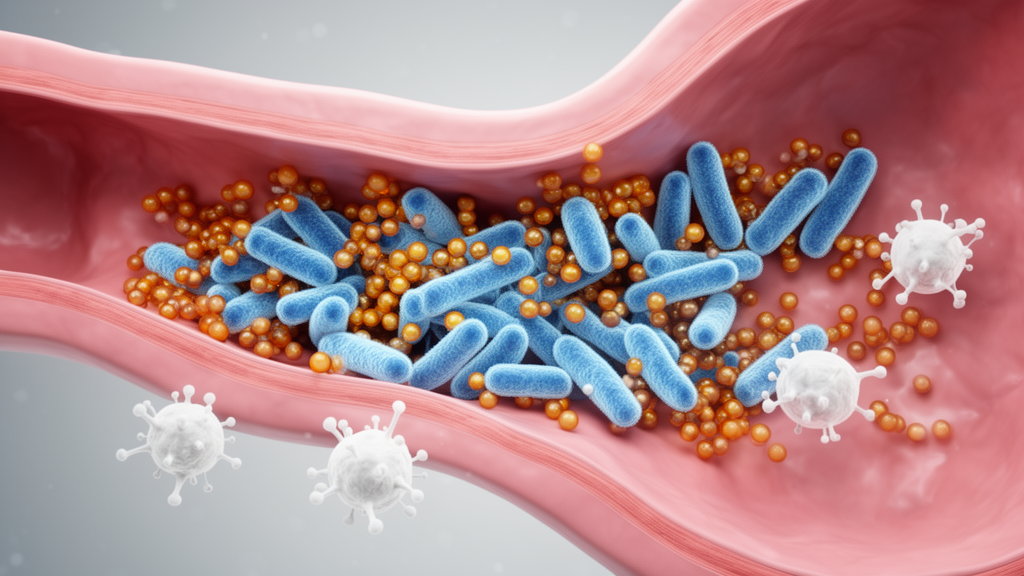
Urinary tract infections are among the most common bacterial infections worldwide, but for people living with diabetes they represent a distinctly more dangerous problem. A new mini-review published in Acta Biochimica Polonica by researchers at Gdańsk University of Technology synthesizes decades of clinical and laboratory evidence to explain why diabetes transforms a routine infection into a recurrent, often complicated, and increasingly drug-resistant threat. The review, led by Beata Zalewska-Piątek, Michalina Nagórka, and Rafał Piątek, argues that the relationship between diabetes and urinary tract infections is fundamentally bidirectional: high blood sugar makes infection more likely and more severe, while infection itself destabilizes glucose control, creating a self-reinforcing cycle that clinicians must break from both directions at once.
The epidemiological picture is striking. Across population studies, diabetes is associated with a two- to four-fold increase in both the incidence and recurrence of urinary tract infections. A meta-analysis encompassing 15 studies and 827,948 individuals with type 2 diabetes estimated a prevalence of roughly 11.5 percent, while asymptomatic bacteriuria, the silent presence of bacteria in the bladder without symptoms, has been reported in 23.7 percent of type 2 diabetes patients. More recent studies suggest the burden may be even higher in certain populations, with prevalence reaching up to 39.3 percent and overall risk nearly doubled compared with people without diabetes. Recurrence is a defining feature: reported rates range from approximately 23 to 37 percent, and diabetes has been identified as an independent risk factor for progression from a first episode of cystitis to recurrent disease.
The microbiology is equally revealing. Uropathogenic Escherichia coli remains the dominant cause of uncomplicated infections in diabetic and non-diabetic patients alike, accounting for roughly 60 to 71 percent of isolates across studies. But in diabetes the spectrum broadens considerably: Klebsiella pneumoniae, Proteus mirabilis, Pseudomonas aeruginosa, Enterococcus species, Enterobacter species, and, less frequently, Candida albicans all appear more often. Critically, patients with diabetes carry a higher prevalence of antimicrobial-resistant pathogens, including extended-spectrum beta-lactamase (ESBL)-producing strains of E. coli and K. pneumoniae. One comparative study cited in the review found resistance to at least one antimicrobial agent in 92.5 percent of isolates from diabetic patients versus 75.0 percent from non-diabetic controls, with particularly large gaps for amoxicillin (85.0 versus 67.5 percent), amoxicillin/clavulanic acid (57.5 versus 37.5 percent), ciprofloxacin (38.8 versus 20.0 percent), and ceftriaxone (25.0 versus 7.5 percent).
Why does hyperglycemia so profoundly reshape infection risk? The review lays out a layered mechanistic explanation. Chronic high blood glucose spills into the urine as glucosuria once plasma levels exceed the renal reabsorption threshold, creating a nutrient-rich environment that fuels bacterial growth. Simultaneously, hyperglycemia impairs innate and adaptive immune defenses: neutrophils show reduced chemotaxis, phagocytosis, and oxidative burst, while the antimicrobial peptide psoriasin, which normally controls bacterial growth at mucosal surfaces, is downregulated. Diabetic autonomic neuropathy adds a mechanical dimension, causing incomplete bladder emptying and urinary stasis that facilitate bacterial colonization. Hyperglycemia also disrupts the uroepithelial barrier itself, weakening intercellular junctions and altering receptor expression in ways that promote bacterial adhesion and deeper tissue invasion.
The bacterial side of the story is just as dynamic. UPEC initiates infection by adhering to uroepithelial cells through type 1 and P pili, with the FimH adhesin at the tip of type 1 pili driving bacterial internalization and the formation of intracellular bacterial communities that shield the pathogen from both immune attack and antibiotics. P pili, particularly class II variants, are associated with upper urinary tract colonization and heightened renal inflammation under diabetic conditions. UPEC also deploys an arsenal of virulence factors, including hemolysin A, cytotoxic necrotizing factor 1, the curli fiber protein CsgA, the serum resistance protein TraT, and group 2 capsule factors, which together promote tissue damage, biofilm formation, and immune evasion. Experimental work suggests that elevated glucose acts as both a metabolic substrate and a signaling cue, upregulating virulence-associated genes and enhancing biofilm production, which in turn increases tolerance to antibiotics and host defenses.
Perhaps the most clinically consequential insight is the bidirectional feedback loop between infection and glycemia. When a urinary tract infection takes hold, the body’s stress response releases counterregulatory hormones that increase hepatic glucose production and reduce insulin sensitivity, driving blood sugar upward. Inflammatory processes accompanying the infection further aggravate insulin resistance, and persistent low-grade inflammation can intensify this effect, particularly in patients with impaired renal function. The practical implication is that an unexplained rise in blood glucose in a diabetic patient should prompt consideration of an occult urinary infection, and conversely, that treating the infection is inseparable from restoring metabolic control. Hospitalized patients typically require structured glucose monitoring and insulin-centered regimens, with careful adjustment based on glucose trends and clinical status.
The review also tackles a modern therapeutic dilemma: sodium-glucose cotransporter 2 (SGLT2) inhibitors. These widely prescribed drugs deliberately induce glucosuria, sometimes exceeding 60 to 70 grams of urinary glucose per day in patients with preserved renal function, to improve glycemic control and deliver cardiovascular and renal benefits. The concern is obvious: does pharmacologically sweetened urine cultivate infection? The evidence is nuanced. Randomized controlled trials and meta-analyses generally show no significant increase in urinary tract infection risk with SGLT2 inhibitors, while observational studies suggest only a modest elevation that appears driven more by impaired kidney function and prior genitourinary infections than by glycemic status alone. In contrast, genital infection risk is consistently and markedly increased, more than threefold, particularly in women and those with a history of such infections, though these episodes are typically mild and respond well to standard treatment. The authors note that experimental studies supporting a role for urinary glucose in bacterial growth and UPEC virulence do not fully align with clinical observations from patients on SGLT2 inhibitors, leaving the contribution of glucosuria itself incompletely understood.
Clinical presentation adds another layer of complexity. While diabetic patients may experience classic symptoms such as dysuria, urinary frequency, and lower abdominal pain, atypical or muted symptoms are common and can delay diagnosis. When infection does take hold, it is more likely to escalate: the review catalogs a higher incidence of acute pyelonephritis, renal abscesses, emphysematous cystitis and pyelonephritis, and urosepsis in diabetic populations. These severe outcomes are attributed primarily to hyperglycemia-induced immune impairment, glucosuria, urinary stasis from neuropathy, and chronic inflammation rather than to diabetes type itself. Notably, patients over 45 years of age appear particularly susceptible, and type 2 diabetes is associated with more frequent infections than type 1, most likely because of higher rates of obesity, insulin resistance, poorer glycemic control, and chronic complications rather than the diabetes type per se.
Looking forward, the authors identify several promising therapeutic frontiers. Because hyperglycemia both impairs host defenses and enhances bacterial virulence, optimized glycemic control remains foundational, potentially reducing glucosuria-associated bacterial growth and partially restoring antimicrobial peptide expression. Targeting biofilm formation, which drives persistence and recurrence especially under hyperglycemic conditions, offers another avenue, as does modulating host immune responses, including interference with the AGE-RAGE-NF-kappa-B inflammatory axis that sustains tissue damage without effective pathogen clearance. Anti-virulence therapies that disarm bacterial toxins, adhesion factors, and immune evasion mechanisms could reduce pathogenicity without imposing the selective pressure that fuels antibiotic resistance. For multidrug-resistant UPEC strains carrying blaCTX-M, blaTEM, and blaSHV beta-lactamase genes, the review highlights bacteriophage therapy, microbiome-based interventions, and probiotic strategies as promising adjuncts, and points to genomics, transcriptomics, and metabolomics as tools for uncovering novel targets in hyperglycemia-driven immune dysfunction.
The review is candid about the limits of current knowledge. Most mechanistic evidence derives from in vitro experiments and animal models, while human studies remain predominantly observational, making it difficult to isolate the independent effect of hyperglycemia from coexisting diabetic complications, immune dysfunction, and structural abnormalities of the urinary tract. Heterogeneity in study populations, diagnostic criteria, and definitions of recurrent infection further complicates cross-study comparison. Yet the clinical message is unambiguous: urinary tract infections in diabetes demand integrated management that treats the infection promptly with culture-guided antimicrobials while simultaneously stabilizing blood glucose, with particular vigilance in patients with advanced kidney disease who may swing between hyperglycemia and hypoglycemia. As antimicrobial resistance continues to climb, understanding the molecular dialogue between a sugar-laden urinary tract and an adaptable pathogen may prove essential to protecting one of medicine’s most vulnerable populations.
Subject of Research: The bidirectional relationship between diabetes mellitus and urinary tract infections, covering epidemiology, UPEC pathogenesis, glucosuria, immune dysfunction, and management strategies
Article Title: Urinary tract infections in diabetes: clinical significance and management approaches
Article References: Zalewska-Piątek, B., Nagórka, M., & Piątek, R. (2026). Urinary tract infections in diabetes: clinical significance and management approaches. Acta Biochimica Polonica, 73, Article 17198. https://doi.org/10.3389/abp.2026.17198
Image Credits: AI Generated
Keywords: diabetes mellitus, urinary tract infections, uropathogenic Escherichia coli, hyperglycemia, glucosuria, SGLT2 inhibitors, antimicrobial resistance, biofilms, immune dysfunction, glycemic control, ESBL, bacteriophage therapy
Cite Scienmag News
Kristina Jarvis. (October 15, 2026). Why Diabetes Makes Urinary Tract Infections More Frequent, Severe, and Hard to Treat. Scienmag. https://scienmag.com/why-diabetes-makes-urinary-tract-infections-more-frequent-severe-and-hard-to-treat/
Kristina Jarvis. "Why Diabetes Makes Urinary Tract Infections More Frequent, Severe, and Hard to Treat." Scienmag, 15 October 2026, https://scienmag.com/why-diabetes-makes-urinary-tract-infections-more-frequent-severe-and-hard-to-treat/. Accessed 15 October 2026.
Kristina Jarvis. "Why Diabetes Makes Urinary Tract Infections More Frequent, Severe, and Hard to Treat." Scienmag. October 15, 2026. https://scienmag.com/why-diabetes-makes-urinary-tract-infections-more-frequent-severe-and-hard-to-treat/


