


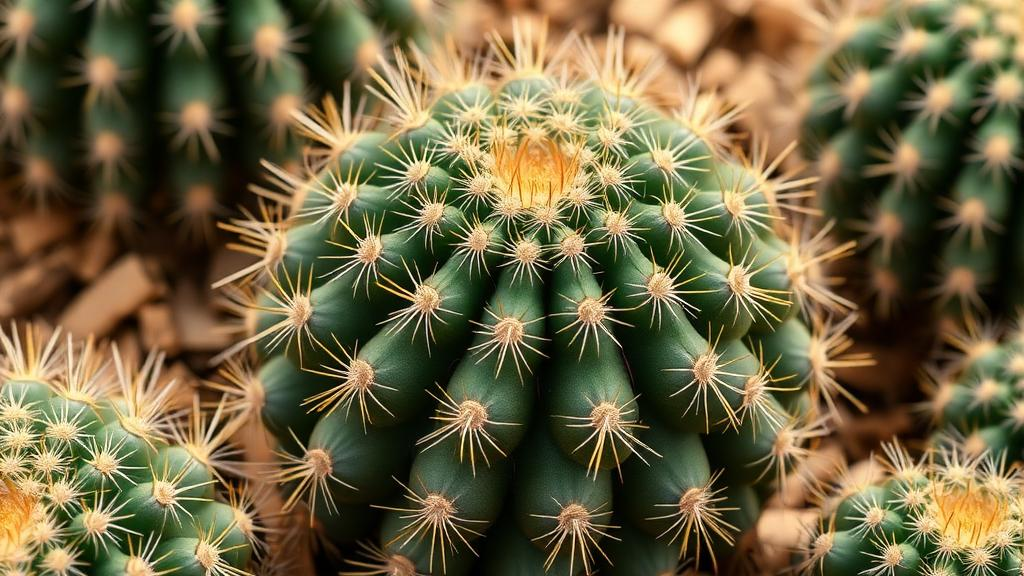
In the driest corners of the planet, where conventional crops wither and soils crack under relentless sun, a spiny survivor is quietly attracting the attention of food scientists and sustainability researchers alike. A comprehensive review published in Discover Sustainability examines the cactus plant, particularly species of the genus Opuntia, and concludes that this thorny staple of arid landscapes deserves far more recognition than it currently receives. The review, led by Tolcha Techane Alemu of Jimma University in Ethiopia together with colleagues in Vietnam and Ethiopia, synthesizes decades of evidence on the nutritional composition and bioactive compounds of cactus and argues that the plant sits at a remarkable intersection of human health and environmental resilience. At a time when climate change is squeezing agricultural productivity across the world’s drylands, the humble prickly pear may be one of the most underappreciated food resources available to humanity.
The core of the review is a detailed accounting of what cactus actually contains. Far from being an empty succulent, the plant’s pads, known as cladodes, and its brightly colored fruits are packed with nutrients that rival or exceed those of more conventional produce. The analysis documents substantial levels of vitamins, including vitamin C, alongside meaningful quantities of minerals such as calcium, magnesium, and potassium. Dietary fiber emerges as one of the plant’s standout features, with both soluble and insoluble fractions present in the pads and fruit in significant amounts. This fiber content is not merely a bulk property; it underpins many of the physiological effects attributed to cactus consumption, from improved digestive function to better regulation of blood glucose and blood lipids. For populations where refined staples dominate the diet, such fiber-dense foods could play a meaningful corrective role.
Beyond the standard nutritional profile, the review devotes considerable attention to the plant’s bioactive compounds, the specialized molecules that give cactus its pharmacological reputation. Chief among these are betalains, the nitrogen-containing pigments responsible for the vivid magenta and orange hues of prickly pear fruit. Betalains are relatively rare in the edible plant kingdom, found prominently in cacti and beetroot, and they function as potent antioxidants capable of neutralizing reactive oxygen species that damage cells and drive chronic disease. The review also catalogs an array of polyphenols, including phenolic acids and flavonoids, which contribute additional antioxidant capacity and appear to modulate inflammatory signaling pathways. Carotenoids, another class of lipid-soluble pigments, add to the protective chemical arsenal. Together, these compounds form a complex phytochemical profile that the authors argue justifies classifying cactus as a functional food, meaning a food that delivers demonstrable health benefits beyond basic nutrition.
The health implications documented in the review are broad and, in several areas, striking. The evidence assembled points to significant antioxidant activity, which helps protect tissues from oxidative stress implicated in aging, cancer, and cardiovascular disease. Anti-inflammatory effects are similarly well supported, with cactus compounds shown to dampen the chronic low-grade inflammation that underlies many modern metabolic disorders. Perhaps most compelling for public health purposes are the anti-diabetic and cardioprotective properties. Multiple studies reviewed indicate that cactus consumption can improve glycemic control, an effect attributed to both its fiber content, which slows sugar absorption in the gut, and its bioactive compounds, which appear to influence glucose metabolism more directly. Cardioprotective effects include improvements in blood lipid profiles and reductions in blood pressure markers, suggesting that regular consumption could reduce the burden of cardiovascular disease, the leading cause of death worldwide.
What makes these findings particularly timely is the context in which they arrive. Global food systems face a convergence of pressures: a growing population expected to approach ten billion by mid-century, rising rates of diet-related chronic disease, and a climate that is making traditional agriculture increasingly unreliable in many regions. The review frames cactus as a plant uniquely suited to this predicament. Opuntia species are famously adapted to arid and semi-arid environments, employing a specialized form of photosynthesis known as crassulacean acid metabolism, or CAM, in which the plant opens its pores at night to minimize water loss. This physiological adaptation means cactus can produce food with minimal irrigation, tolerating drought conditions that would devastate conventional crops. In regions such as the Sahel, Mexico, the Mediterranean basin, and parts of South Asia, where water scarcity is already acute and worsening, this trait transforms cactus from a curiosity into a strategic resource.
The sustainability argument extends beyond water efficiency. Cactus plants thrive on degraded soils where other crops fail, require few chemical inputs, and can serve multiple functions simultaneously: food for humans, fodder for livestock, and even a vegetative barrier against soil erosion and desertification. The review explicitly connects these attributes to the United Nations Sustainable Development Goals, highlighting three in particular. SDG 2, Zero Hunger, is addressed through cactus potential to provide nutritious food in marginal environments where food insecurity is most severe. SDG 3, Good Health and Well-being, is supported by the plant’s documented functional food properties. SDG 13, Climate Action, is served by the crop’s resilience to climate variability and its low environmental footprint. This framing positions cactus not simply as a regional food tradition but as a candidate for deliberate integration into global food security strategy.
The authors, who also include Muhammed Adem Abdullahi of Jimma University, Vu Thi Kim Oanh of the Vietnam National University of Agriculture, and Kinfu Mekbib of the Addis Ababa Water and Sewerage Authority, emphasize that cactus is already a meaningful food source in many cultures. Indigenous and rural communities across the Americas, North Africa, and the Middle East have consumed prickly pear pads and fruit for centuries, and the plant holds particular cultural and economic significance in Mexico, where Opuntia cultivation is extensive. Yet despite this long history and the accumulating scientific evidence, cactus remains marginal in mainstream food markets and agricultural policy outside its traditional range. The review suggests this gap reflects a combination of limited consumer awareness, underdeveloped supply chains, and insufficient investment in processing technologies that could transform cactus into appealing modern food products such as juices, jams, flours, and nutraceutical extracts.
Processing and product development represent a critical frontier. The review notes that the bioactive compounds in cactus are sensitive to heat and processing conditions, meaning that preservation methods must be carefully designed to retain nutritional value. Betalains in particular are vulnerable to degradation, and optimizing extraction and stabilization techniques is an active area of food science research. At the same time, the plant’s versatility offers commercial opportunities: cactus fruit can be eaten fresh or processed into beverages and preserves, while cladodes can be consumed as vegetables, dried into powders, or incorporated into baked goods and functional food formulations. Developing these value chains in producing countries could create rural income opportunities while improving local nutrition, a dual benefit that aligns with broader sustainable development objectives.
As with any review, the strength of the conclusions depends on the quality of the underlying evidence, and the authors acknowledge that much of the research on cactus health effects comes from laboratory and animal studies, with a smaller body of controlled human trials. Translating promising bioactivity into verified clinical benefits will require rigorous intervention studies, standardized plant material, and better characterization of dose-response relationships. There are also agronomic questions to resolve, including varietal selection, cultivation practices, and post-harvest handling, areas where the authors’ own expertise in post-harvest management is directly relevant. The review’s open-access publication is intended to make this evidence base accessible to researchers, policymakers, and entrepreneurs who could accelerate the plant’s development.
Nevertheless, the overall message is one of considerable optimism. A plant that grows without irrigation on degraded land, produces food rich in fiber, vitamins, minerals, and rare antioxidant pigments, and offers documented anti-diabetic and cardioprotective properties is a rare asset in the search for sustainable food systems. As climate change redraws the map of where food can be reliably produced, crops adapted to heat and drought will inevitably move from the margins to the center of agricultural planning. The prickly pear cactus, long valued by the communities who knew it best, now has a scientific dossier to match its reputation. Whether it becomes a global staple or remains a regional treasure will depend on investment, innovation, and willingness to look beyond familiar crops, but the evidence assembled in this review makes a strong case that ignoring it would be a missed opportunity for both human health and planetary sustainability.
Subject of Research: Nutritional composition, bioactive compounds, and health and sustainability implications of the cactus plant (Opuntia spp.)
Article Title: A comprehensive review of nutritional composition and bioactive compounds of cactus plant and their implications for human health and sustainable development
Article References: Alemu, T. T., Abdullahi, M. A., Oanh, V. T. K., & Mekbib, K. (2026). A comprehensive review of nutritional composition and bioactive compounds of cactus plant and their implications for human health and sustainable development. Discover Sustainability. https://doi.org/10.1007/s43621-026-04892-1
Image Credits: AI Generated
DOI: 10.1007/s43621-026-04892-1
Keywords: cactus, Opuntia, prickly pear, betalains, polyphenols, functional food, antioxidants, anti-diabetic, food security, sustainable agriculture, climate resilience, Sustainable Development Goals
Cite Scienmag News
Daisy Hatcher. (October 7, 2026). Cactus: The Spiny Climate Survivor That Could Feed and Heal the World. Scienmag. https://scienmag.com/cactus-the-spiny-climate-survivor-that-could-feed-and-heal-the-world/
Daisy Hatcher. "Cactus: The Spiny Climate Survivor That Could Feed and Heal the World." Scienmag, 7 October 2026, https://scienmag.com/cactus-the-spiny-climate-survivor-that-could-feed-and-heal-the-world/. Accessed 7 October 2026.
Daisy Hatcher. "Cactus: The Spiny Climate Survivor That Could Feed and Heal the World." Scienmag. October 7, 2026. https://scienmag.com/cactus-the-spiny-climate-survivor-that-could-feed-and-heal-the-world/


