


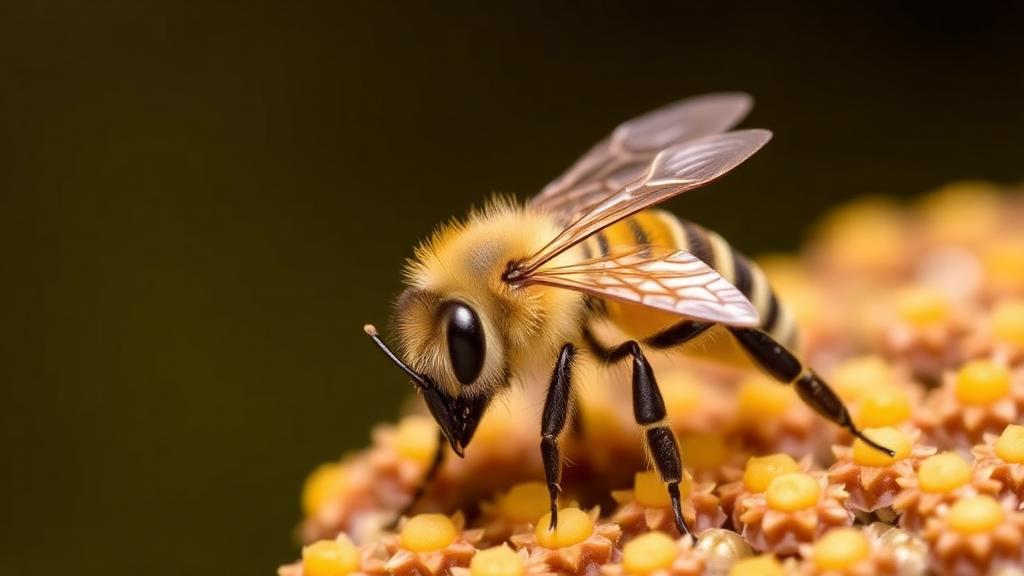
A sweeping systematic review of 62 studies published between 2015 and 2025 has concluded that propolis, the resinous substance honeybees manufacture from plant exudates, possesses substantial and broad-spectrum antifungal activity against Candida species, including strains that have grown resistant to the frontline drugs on which modern medicine depends. The review, published in New Microbes and New Infections by researchers at Universitas Indonesia, synthesizes laboratory experiments, animal models, and a small number of human trials, and arrives at a striking conclusion: propolis is not merely a folk remedy, but a scientifically credible precursor to a new generation of sustainable antifungal therapeutics.
The clinical stakes could hardly be higher. Candida species are among the most common opportunistic fungal pathogens in humans, causing everything from superficial mucocutaneous irritation to invasive systemic disease associated with significant morbidity and death. Vulvovaginal candidiasis alone affects 70 to 75 percent of women at least once in their lifetime, and 40 to 50 percent suffer recurrent episodes that erode quality of life and resist repeated treatment. Current therapy rests on three drug classes: azoles such as fluconazole, polyenes such as amphotericin B and nystatin, and the newer echinocandins. All carry drawbacks, including hepatotoxicity, drug-drug interactions, local irritation, and contraindications in pregnancy, and the global rise of antifungal resistance, particularly among Candida albicans, Candida glabrata, and Candida krusei, is steadily eroding their long-term effectiveness.
Against that backdrop, the review’s quantitative findings are remarkable. Reported minimum inhibitory concentrations for propolis extracts ranged from as low as 0.2 micrograms per milliliter for certain Brazilian propolis types to as high as 10,000 micrograms per milliliter for samples from Brunei, a spread that maps directly onto the chemical richness of each regional source. Brazilian red and green propolis, Nigerian red propolis rich in the isoflavanol DDI, and Moroccan propolis containing epicatechin and apigenin consistently showed the lowest MIC values, in some cases matching or exceeding fluconazole itself. Mexican stingless bee propolis recorded MICs of just 1.62 to 2.50 micrograms per milliliter, roughly 30 percent lower than honeybee propolis from the same assays. By contrast, Bruneian samples showed weak activity, likely because they lack the key bioactive constituents.
What makes propolis pharmacologically interesting is not a single magic-bullet molecule but its multi-target mode of action. The most frequently observed mechanism is disruption of the fungal cell membrane and wall. Amphipathic phenolic compounds such as p-coumaric acid, caffeic acid phenethyl ester, pinocembrin, quercetin, and benzophenones integrate into fungal lipid bilayers, forming pores, destabilizing membrane potential, and causing cytoplasmic leakage. Electron microscopy has confirmed cell shrinkage, wall rupture, and loss of membrane integrity in C. albicans and C. krusei. Molecular docking studies add a second layer: propolis constituents appear to inhibit lanosterol 14-alpha-demethylase, the ergosterol-biosynthesis enzyme that azoles target, and dihydrofolate reductase, interfering with folate metabolism and fungal viability.
Equally important is propolis’s activity against biofilms, the structured fungal communities that coat dentures, catheters, titanium implants, and mucosal surfaces and that tolerate antifungal drug concentrations hundreds of times higher than planktonic cells can survive. Studies compiled in the review show propolis disrupting both developing and mature biofilms by impairing cell adhesion, degrading the extracellular matrix of polysaccharides, proteins, and extracellular DNA, and suppressing metabolic activity. Treatment reduced viable cells in mature C. albicans biofilms by up to 4 log colony-forming units. Ecuadorian stingless bee propolis cut biofilm formation by 63 to 80 percent, while Brazilian red propolis inhibited biofilm metabolic activity at concentrations as low as 15.6 micrograms per milliliter.
Propolis also attacks Candida virulence at the genetic and morphological level. Iraqi propolis downregulated the expression of ECE1, SAP5, and ALS3, genes governing hyphal extension, protease secretion, and adhesion, thereby blunting the pathogen’s ability to invade tissue. Other studies showed that propolis blocks the yeast-to-hyphae transition, the morphological switch central to tissue invasion, by interfering with cAMP-PKA signaling and inducing oxidative stress that triggers mitochondrial dysfunction and apoptotic cell death. Because these mechanisms strike simultaneously at structure, morphogenesis, and virulence regulation, the review argues, the probability of Candida developing compensatory resistance is substantially reduced compared with single-target drugs.
Perhaps the most clinically provocative finding concerns synergy with existing antifungals. When propolis extracts, or isolated constituents such as caffeic acid phenethyl ester and quercetin, were combined with fluconazole, nystatin, or itraconazole, minimum inhibitory concentrations fell by up to 64-fold, and azole susceptibility was restored in resistant strains, apparently through increased membrane permeability and suppression of efflux pump function. In fluconazole-resistant C. glabrata and C. krusei, propolis bypasses the classic resistance mechanisms of ERG11 mutation and efflux overexpression entirely, and in specific assays achieved complete eradication of C. glabrata at zero colony-forming units per milliliter, outperforming standard fluconazole. This positions propolis as an adjuvant capable of lowering drug doses and forestalling the emergence of resistance.
Human and animal evidence, though still limited, reinforces the laboratory picture. In an Indonesian clinical study, propolis wax ovules from the stingless bee Tetragonula sp., applied once daily for seven days, achieved remission rates in vulvovaginal candidiasis comparable to nystatin, with no additional adverse effects. Bulgarian propolis added to toothpaste eradicated C. albicans in adolescents with gingivitis, and in pediatric oral candidiasis propolis produced a mean inhibition zone of 9.5 millimeters with good tolerability. In murine models of vaginal candidiasis, thermoresponsive mucoadhesive propolis platforms and nano-encapsulated green propolis eliminated C. albicans without visible tissue toxicity, while photodynamic therapy mediated by the red propolis compound gutiferone significantly lowered fungal burden in models of denture stomatitis.
Formulation science emerges as a decisive variable. Nanoemulsions improved the tissue penetration and bioavailability of lipophilic benzophenones, producing more than 78 percent fungal cell damage in mucocutaneous tissue, and natural rubber latex membranes loaded with propolis released active compounds in a sustained, non-toxic manner suitable for wound healing. The review also highlights novel delivery chemistry, including pH-aligned natural deep eutectic solvents, or NaDES, and microcapsules, as the frontier beyond traditional ethanolic extraction. Combining propolis with chelating agents such as EDTA or phytic acid further weakens fungal membrane ionic stability, amplifying cellular damage. Geographic origin, botanical source, and extraction method all shape potency, and advances in high-resolution mass spectrometry have now identified stable marker compounds such as Sulawesin A and B in Indonesian propolis, opening a path toward the standardization that pharmaceutical development demands.
The authors are careful to temper enthusiasm with candor. Chemical variability across regions remains a major obstacle to universal dose standardization, laboratory inhibition halos and MIC values do not always translate into clinical outcomes given the complexity of the vaginal environment and the phenomenon of trailing growth in some Candida species, and large-scale randomized controlled trials are still scarce relative to laboratory studies. Their conclusion is measured but firm: propolis is best positioned today as a complementary therapeutic agent and a bioactive ingredient in innovative drug delivery systems rather than a wholesale replacement for standard antifungals. Yet by bridging molecular mechanism and clinical remission, and by mapping Indonesian biodiversity markers against the rising global tide of antifungal resistance, the review makes the case that the hive’s ancient resin deserves a serious place in modern pharmacology.
Subject of Research: Antifungal activity of propolis against Candida species, including resistant strains
Article Title: Antifungal activity of propolis against Candida spp.
Article References: Rohmatin, E., Sahlan, M., & Hermansyah, H. (2026). Antifungal activity of propolis against Candida spp.. New Microbes and New Infections, 74, Article 101856. https://doi.org/10.1016/j.nmni.2026.101856
Image Credits: AI Generated
DOI: 10.1016/j.nmni.2026.101856
Keywords: propolis, Candida, antifungal resistance, vulvovaginal candidiasis, biofilms, flavonoids, fluconazole, natural products, honeybees, systematic review, Candida albicans, drug delivery
Cite Scienmag News
Ophelia Keating. (September 30, 2026). Bee Propolis Shows Potent Antifungal Power Against Drug-Resistant Candida. Scienmag. https://scienmag.com/bee-propolis-shows-potent-antifungal-power-against-drug-resistant-candida/
Ophelia Keating. "Bee Propolis Shows Potent Antifungal Power Against Drug-Resistant Candida." Scienmag, 30 September 2026, https://scienmag.com/bee-propolis-shows-potent-antifungal-power-against-drug-resistant-candida/. Accessed 30 September 2026.
Ophelia Keating. "Bee Propolis Shows Potent Antifungal Power Against Drug-Resistant Candida." Scienmag. September 30, 2026. https://scienmag.com/bee-propolis-shows-potent-antifungal-power-against-drug-resistant-candida/


