


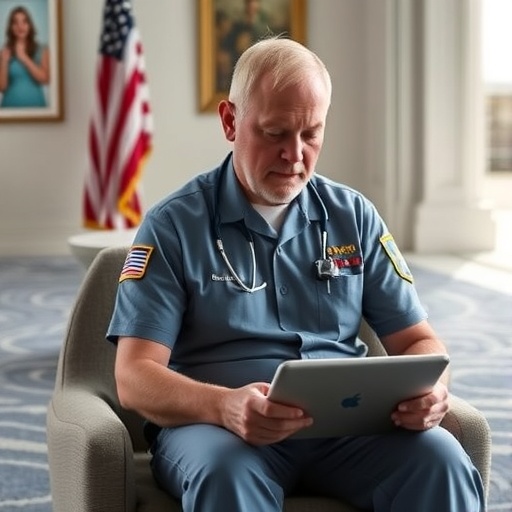
For Veterans living with spinal cord injuries, a mental-health appointment can begin long before the conversation with a therapist. It may require arranging accessible transportation, managing pain and muscle spasms, preparing for a lengthy journey, navigating a hospital campus and coordinating assistance from family members or caregivers. A qualitative study of 24 Veterans with spinal cord injuries has now shown how video-based mental-health care can remove many of these obstacles—while also revealing that poorly designed software, inadequate equipment and limited disability knowledge among clinicians can create new barriers of their own. The findings, published in the Journal of Behavioral Medicine, portray telemental health not as a universal replacement for the clinic, but as a flexible part of care that can preserve access when traveling is physically or psychologically overwhelming.
The need is particularly pressing because mental-health disorders are common among Veterans with spinal cord injuries, or SCI. The study notes that nearly half may experience depression, about one-third anxiety and roughly one-quarter post-traumatic stress disorder. People with SCI also face a substantially elevated risk of suicide compared with people without disabilities. Yet mental-health conditions are frequently missed or undertreated, partly because symptoms can be entangled with pain, sleep disruption, medication effects, medical complications and the psychological adjustment to a life-changing injury. Clinicians may also lack experience with the practical realities of SCI. Mental health affects more than emotional well-being in this population: it is closely connected to self-efficacy, treatment adherence, self-care and the ability to prevent complications such as pressure injuries, infections and rehospitalization.
The researchers recruited Veterans from the Department of Veterans Affairs spinal-cord-injury care network and conducted semi-structured interviews between April 2021 and July 2022, during the later stages of the COVID-19 pandemic. Of 161 eligible Veterans contacted, 24 took part. Their average age was 63, ranging from 27 to 82, and 21 were men. Nineteen participants received care through regional “spoke” facilities, while five were connected to a specialized SCI hub. Sixteen had used video telehealth at least once, and most participants owned an internet-capable device and had some familiarity with being online. The interviews lasted an average of 36 minutes and were recorded, transcribed and analyzed using an iterative thematic-analysis process in which at least two researchers coded each transcript and resolved disagreements through discussion.
The first major finding was that distance is not simply the number of miles between a patient’s home and a medical center. Participants described journeys that consumed most of a day, even when the clinic was relatively nearby. Getting dressed, transferring into a wheelchair, arranging transportation, managing equipment and preparing for unexpected problems could take substantial time and energy. Once at a VA facility, long corridors, difficult parking arrangements, inaccessible steps and the sheer size of the campus could add another layer of exertion. One participant described a seven-hour round trip for an appointment, while another said that preparing to leave home could feel like caring for a baby. These burdens can affect the clinical encounter itself. Pain, traffic-related stress, muscle spasms and fatigue may leave a patient distracted or distressed before therapy begins, reducing the ability to absorb coping strategies or discuss difficult experiences.
Video visits also offered a way to reach clinicians with specialized knowledge. The VA operates a national SCI system based on a hub-and-spoke model, with specialized Centers of Excellence supporting regional hospitals and outpatient clinics. For Veterans living far from a hub, telehealth can connect them with a trusted team familiar with their medical history, functional limitations and adjustment to disability. That continuity matters in mental-health care, where a patient may otherwise have to repeatedly explain how bladder management, chronic pain, mobility limitations, hearing loss or changes in independence influence emotional well-being. Several participants valued being able to provide updates to clinicians who already understood their circumstances rather than spending much of a visit reconstructing their history. The technology therefore served not only as a transport substitute but also as a bridge to scarce specialist expertise, especially for Veterans in rural or medically underserved areas.
However, the study draws an important distinction between access and accessibility. Access refers to the theoretical ability to use telehealth—for example, having an internet connection and an internet-enabled device. Accessibility concerns whether the system can actually be used easily and reliably by someone with a disability. Small design decisions became major obstacles for some participants. A login page that required a name and full address could time out before a person with limited hand coordination finished typing. Closely spaced “accept” and “decline” buttons increased the risk of selecting the wrong option. A crowded virtual room could shrink the provider’s video image until only a fraction of the screen remained useful. An older smartphone repeatedly crashed or rapidly lost its battery during video calls, and obtaining a loaned tablet required navigating a complicated referral process. These examples show how a platform designed for the average user can impose a disproportionate motor, cognitive or technological burden on people with SCI.
The therapeutic environment itself was another source of friction. Video therapy depends on more than a secure connection; it also depends on how clinicians use cameras, microphones and the physical space around them. Participants reported providers whose faces were poorly framed, who looked toward another monitor while speaking or whose equipment made it appear that they were focusing on typing rather than the patient. For people with hearing loss who supplement hearing aids with lip-reading, these behaviors can make speech difficult to understand. Masks worn by providers in shared clinical spaces removed visual cues altogether. Shared rooms also raised concerns about privacy and confidentiality, potentially discouraging Veterans from discussing sensitive issues. In group sessions, background noise and weak moderation could disrupt concentration and undermine rapport. By contrast, facing the camera, speaking clearly and at an appropriate pace, ensuring good lighting and sound, minimizing distractions and conducting visits in a private space required little technology but made a substantial difference.
Participants described a range of adaptive strategies that could make video care workable. Tablet or phone holders helped position cameras at a comfortable angle, while headphones or wireless earbuds improved sound for people with hearing difficulties. Voice-activated controls, typing aids and specialized devices could compensate for reduced hand strength, coordination or dexterity. Some Veterans relied on palm-grip tools or improvised equipment, suggesting that formal support programs may not yet meet every need. Backup plans were also important when connectivity failed or a device stopped working. Beyond hardware, participants described learning ways to manage frustration and anxiety when unfamiliar technology behaved unpredictably. The researchers argue that these adaptations should not be treated as exceptional favors. Universal-design principles—building systems to accommodate a wide range of physical, sensory and cognitive abilities from the start—could prevent many barriers before they appear, rather than requiring patients to request individual workarounds after a system has already excluded them.
The interviews also showed that Veterans wanted choice rather than a rigid digital replacement for in-person care. Many preferred face-to-face visits when meeting a new therapist, establishing rapport, undergoing a physical assessment or receiving diagnostic testing. Some felt more focused and goal-directed in an office, where the structure of the setting helped them prepare questions and stay engaged. Even these participants, however, often regarded video as preferable to a telephone call when travel was impractical. A video image preserved facial expressions and made the interaction feel more human, while home-based appointments could be especially valuable during pain flares, periods of anxiety or worsening mobility. Some Veterans said a video check-in helped calm distress enough to make them willing to attend an in-person appointment later. Others valued virtual groups because they reduced isolation and enabled social contact without requiring them to leave home. The researchers conclude that telehealth works best as one point on a continuum of care, matched to changing medical, emotional and logistical circumstances.
A striking finding was that several Veterans who had never used telemental health were not opposed to it; they simply had not been offered it or did not understand what it involved. That places responsibility not only on patients but also on healthcare systems and providers. Clinicians need training in disability-competent mental-health care, practical instruction in creating effective virtual environments and better knowledge of programs that provide adaptive equipment or technical assistance. The study’s authors recommend routine integration of video visits, flexible scheduling and reliable options for switching between virtual and in-person care. They also caution that the research has limitations: the small sample came from one SCI catchment area, participants may have been more open to telehealth than Veterans who declined, and the interviews occurred during a period of rapid pandemic-driven change. Still, the central message is durable. For Veterans with SCI, a video appointment can transform care from an exhausting expedition into a feasible conversation—but only when technology, clinical practice and disability support are designed around the person on the other side of the screen.
Cite Scienmag News
Silas E. (August 29, 2026). Study explores Veterans’ needs and views on telemental healthcare after spinal injury. Scienmag. https://scienmag.com/study-explores-veterans-needs-and-views-on-telemental-healthcare-after-spinal-injury/
Silas E. "Study explores Veterans’ needs and views on telemental healthcare after spinal injury." Scienmag, 29 August 2026, https://scienmag.com/study-explores-veterans-needs-and-views-on-telemental-healthcare-after-spinal-injury/. Accessed 29 August 2026.
Silas E. "Study explores Veterans’ needs and views on telemental healthcare after spinal injury." Scienmag. August 29, 2026. https://scienmag.com/study-explores-veterans-needs-and-views-on-telemental-healthcare-after-spinal-injury/


